



It seems everyone’s doing it lately. The brave ones, anyway. The people with “the vision”. The ones confidently abandoning white walls in favour of deep greens, charcoal greys and almost-black blues.
For years, I was firmly in the “keep everything bright and white” camp. Then slowly, room by room, I started leaning into darker tones and completely changed my perspective on how a home can feel. Done well, dark interiors aren't gloomy or oppressive. They're layered, atmospheric and incredibly comforting.
If you’re tempted to embrace darker walls but aren’t quite sure where to begin, here are a few things worth knowing before you pick up a paintbrush.
Choosing the Right Finish Matters
Dark paint doesn’t magically hide imperfections. In fact, it often does the opposite.
Gloss finishes reflect more light, which can help if a room lacks natural brightness, but they’ll also highlight every uneven patch of plaster and every questionable DIY repair you thought nobody would notice. Matte finishes absorb light instead, creating a softer, richer appearance that tends to disguise imperfections far more effectively.
The finish you choose completely changes how the colour behaves throughout the day, so it’s worth thinking about the practical side before settling on the shade itself.
Introduce Colour Carefully
Dark interiors still need contrast. The key is restraint.
Muted accent tones such as mustard, dusty pink, olive or faded blue can soften the heaviness of darker walls without fighting against them. Plants work particularly well, too. The natural greens of foliage sit against charcoal, deep brown or blackened tones and stop the room from feeling flat.
One accent colour is usually enough. Too many and the space starts to lose cohesion.

Image credit: Farrow & Ball
Metallic Finishes Make Everything Feel Richer
Brass, copper, chrome and aged metallic finishes come alive against darker backdrops. A brass wall light or antique mirror frame suddenly becomes far more dramatic when surrounded by deep paint colours.
The contrast adds warmth and dimension, especially in the evening when lighting becomes softer and more atmospheric.

Yes, the Room May Feel Smaller
Dark colours naturally bring walls visually inward. That’s unavoidable.
But the effect is rarely as dramatic as people imagine. In larger rooms, darker walls can actually make a space feel more intimate and grounded rather than cavernous. In smaller spaces, they often create a cocooning effect that feels surprisingly luxurious.
Bathrooms, hallways and bedrooms are often the rooms where darker tones work best because they already lend themselves to a more enclosed atmosphere.

Work With Existing Features
Dark decorating doesn’t have to mean painting every wall black.
Alcoves, chimney breasts, panelling, doors and skirting boards can all become focal points on their own. Sometimes painting woodwork darker while keeping walls lighter creates a more balanced look than committing an entire room to one colour.

Equally, colour drenching a room completely can feel incredibly impactful when done properly. It depends entirely on the mood you want to create.
Break Up Larger Walls
A dark wall still needs texture and variation. Otherwise, it can feel visually heavy.
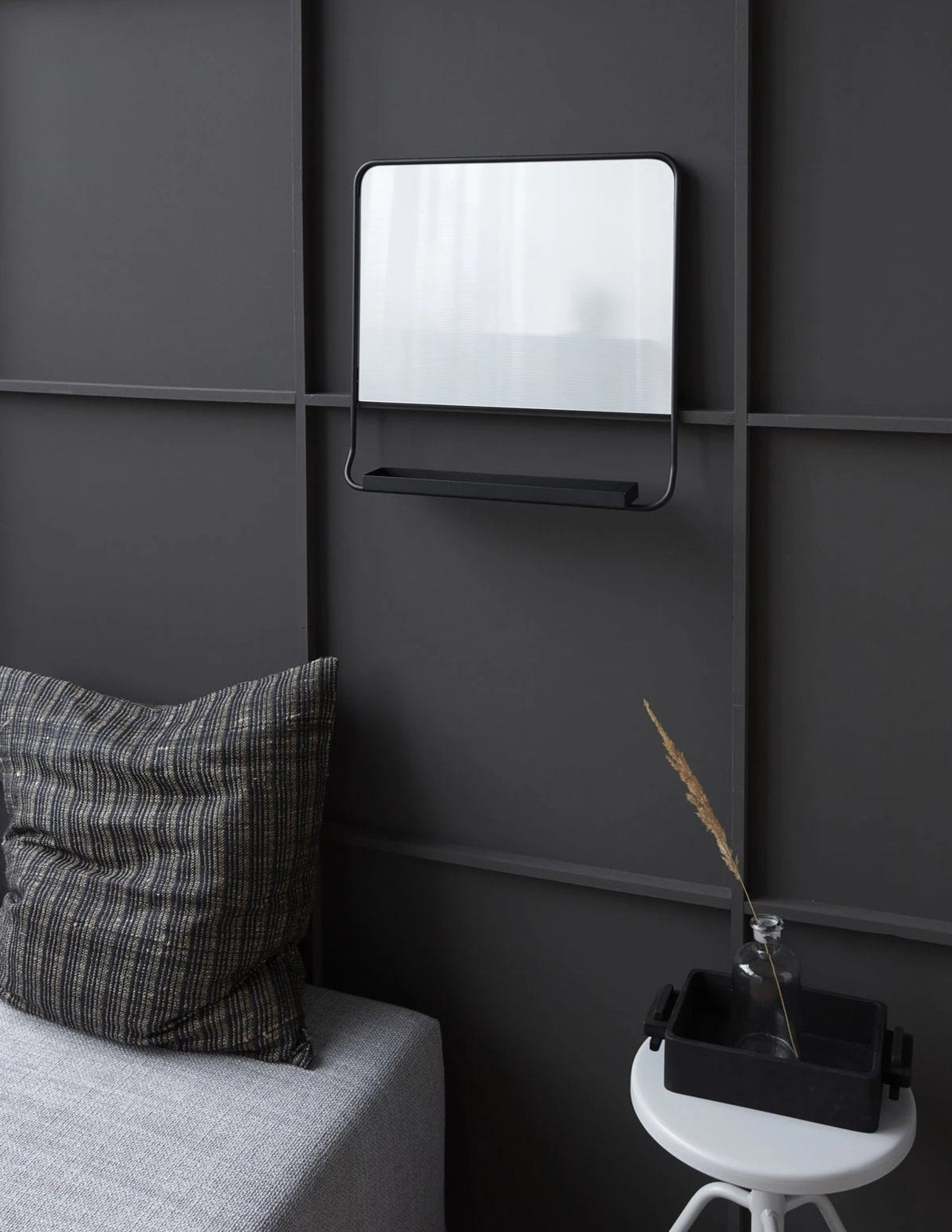
Mirrors, artwork, shelving and layered lighting all help interrupt large blocks of colour and make the room feel more considered. Mirrors are particularly effective because they bounce light around the room while also creating a sense of depth.

image credit: Patirobins (instagram)
Dark Doesn’t Have to Mean Black
Some of the best dark interiors barely use true black at all.
Deep olive, smoky blue, chocolate brown, aubergine and charcoal tones often feel softer and more liveable while still delivering the same dramatic effect. They also tend to shift throughout the day, depending on the light.

Use Mirrors to Your Advantage
Mirrors have been used by interior designers for centuries for one simple reason. They work.
Positioned correctly, they create the illusion of more space while reflecting natural light back into darker corners of the room. In interiors with deeper wall colours, this becomes even more important.

Don’t Replace Everything
One of the biggest misconceptions around dark interiors is that you need an entirely new home to make them work. You don’t.
Existing furniture, flooring and accessories often become more interesting against darker walls. Light wooden floors create contrast. Older furniture pieces feel more intentional. Even inexpensive flat-pack furniture can look elevated with a few thoughtful adjustments and a coat of paint.

Image credit: Rockmystyle.co.uk
The Finishing Touches Matter Most
Once the walls are painted, it’s the smaller details that pull everything together.
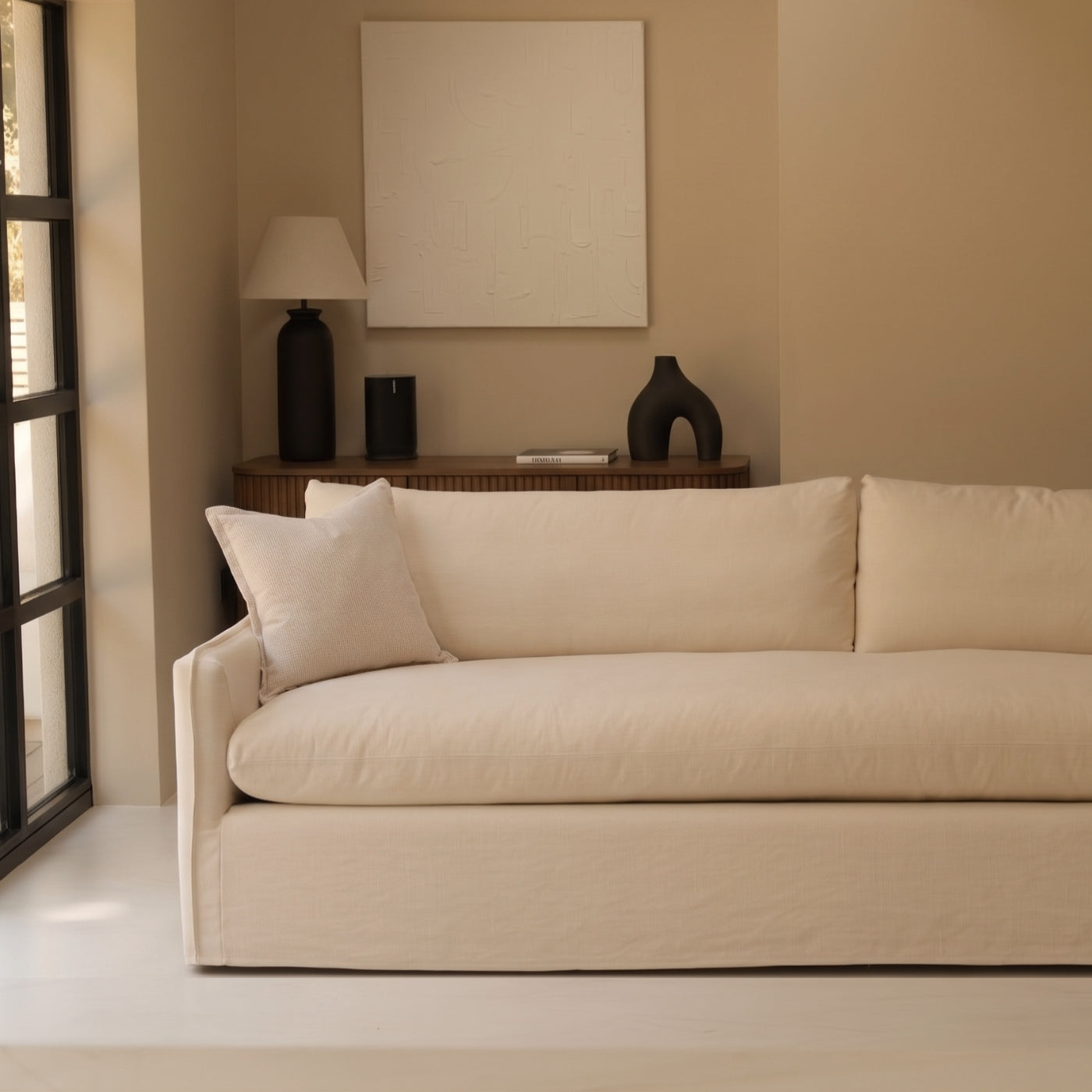
Lighting, rugs, ceramics, tableware and textiles all shape how the room ultimately feels. Layering darker accessories alongside softer textures helps create depth and prevents the space from feeling one-dimensional.

Dark interiors aren’t new, but there’s a reason they continue to resonate. They create an atmosphere in a way that lighter spaces often struggle to achieve. They feel intimate, expressive and far more personal than the safe neutrality many of us default to.
And if you paint a room dark and decide it’s not for you? You can always paint over it.
Explore our collection of home accessories and furniture designed to complement darker interiors here.