



Japandi interiors have a quiet confidence about them. They avoid excess, favour natural materials and rely on thoughtful design rather than decoration to shape a room.
The result sits somewhere between Scandinavian minimalism and the understated elegance of Japanese interiors, blending functionality with warmth in a way that feels calm rather than clinical.

Coffee tables embody that balance perfectly. Simple in form yet deeply considered in material and proportion, they often become the visual anchor of a Japandi living space. Here’s what to look for when choosing one for your home.
Low, Grounded Silhouettes
One of the defining characteristics of Japandi coffee tables is their lower profile.
Inspired partly by traditional Japanese living and dining arrangements, many Japandi designs sit closer to the floor than Western-style coffee tables. The effect subtly changes the feel of a room, creating a more open, relaxed atmosphere while reinforcing the grounded nature of the aesthetic.

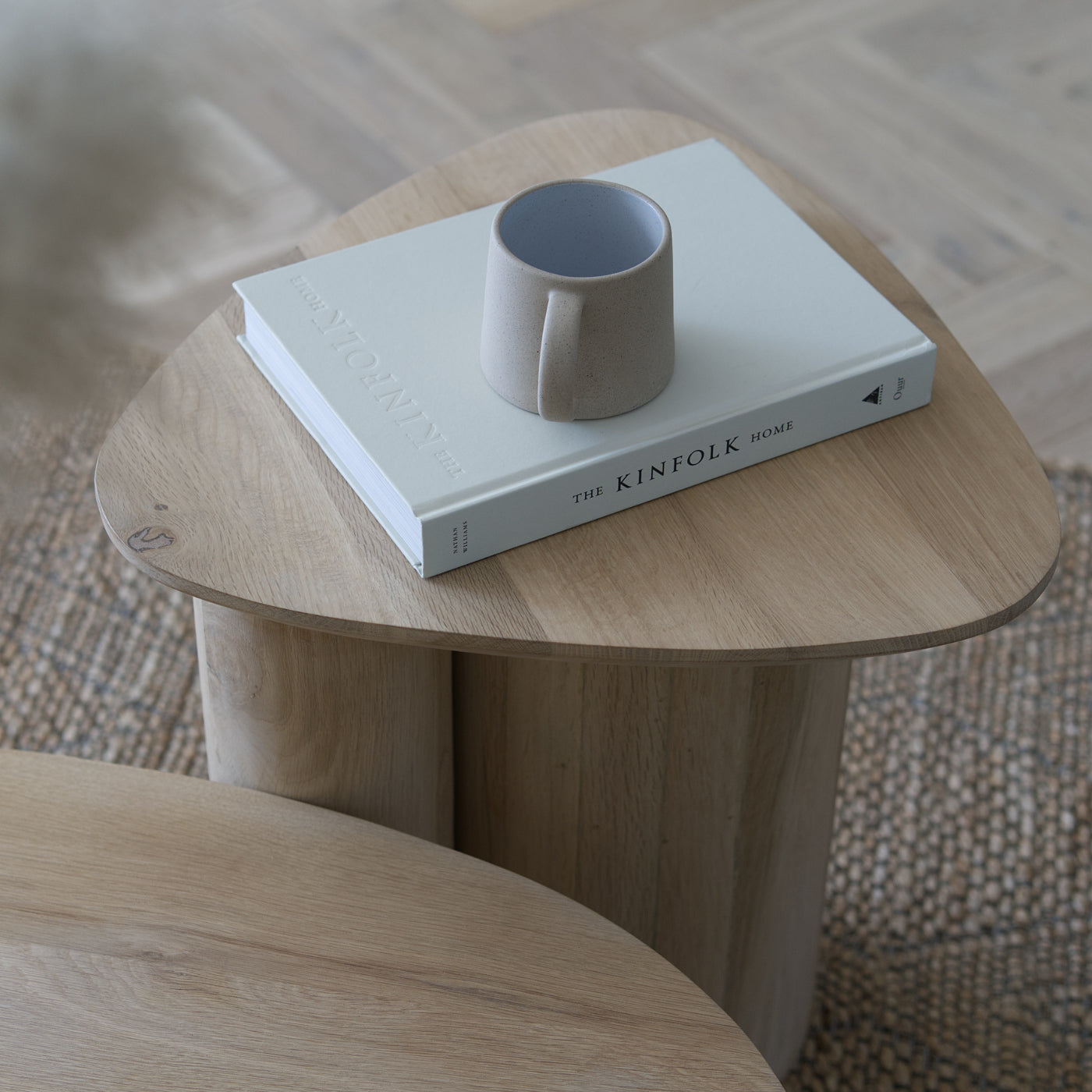
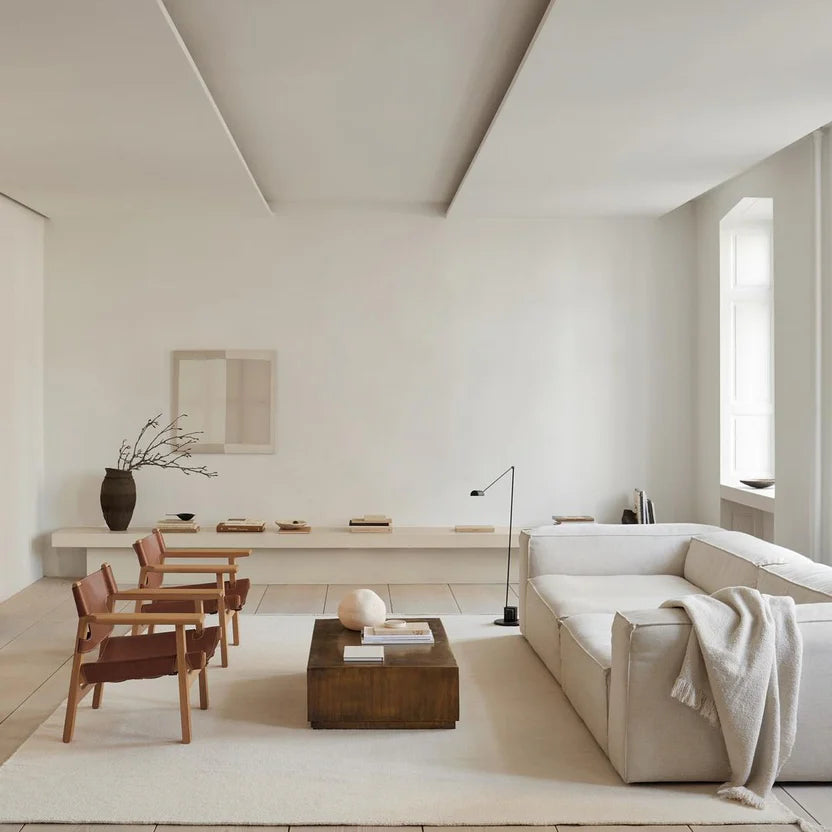
@ourjapandihome featuring our Eilif Organic Coffee Table
Dark Wood coffee tables
Wood sits at the heart of Japandi design.
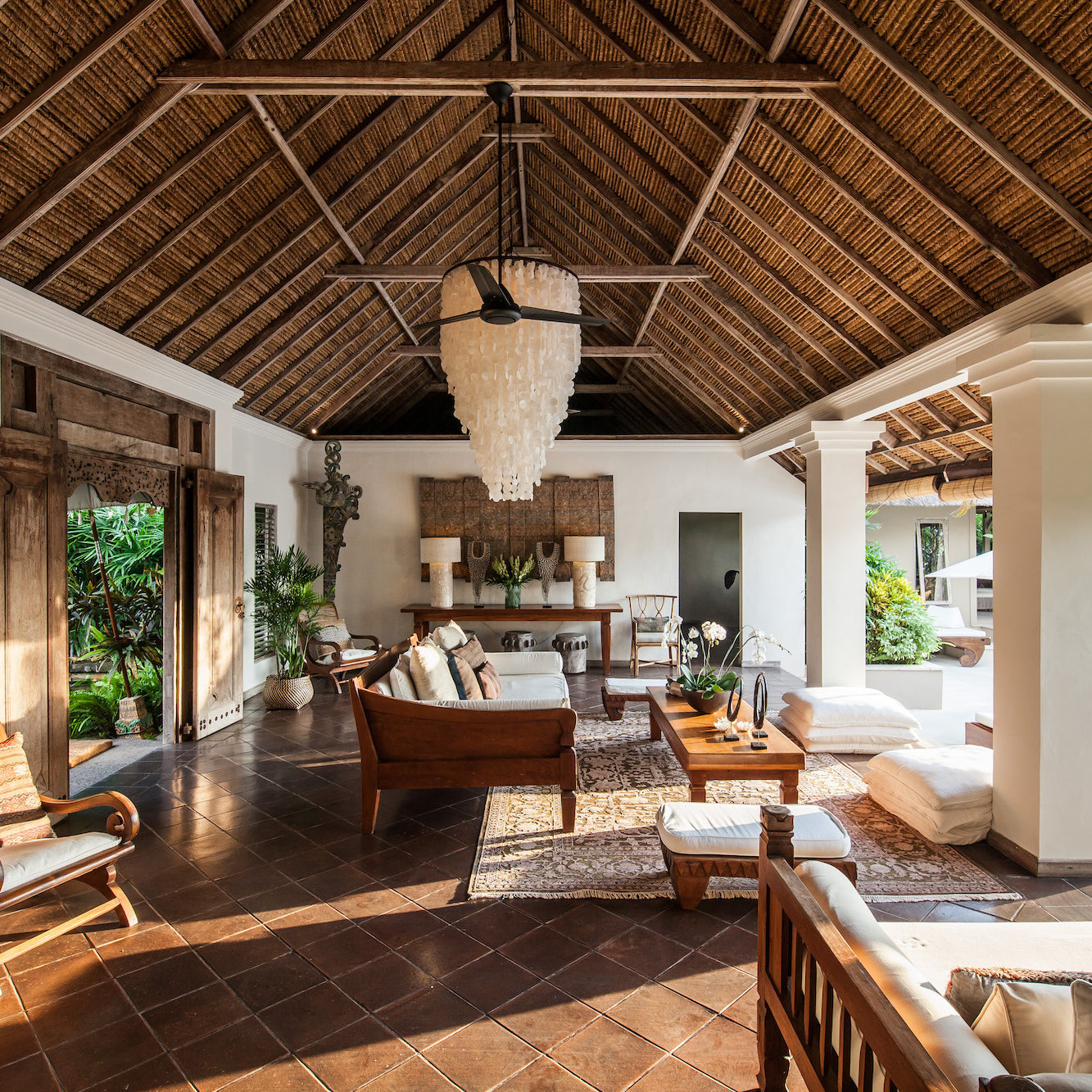
Pale oak, ash and lightly finished timbers are common within Scandinavian-inspired spaces, while darker woods and more textured finishes nod toward traditional Japanese interiors. The focus is rarely on ornamentation. Instead, the grain, tone and craftsmanship of the material become the detail itself.
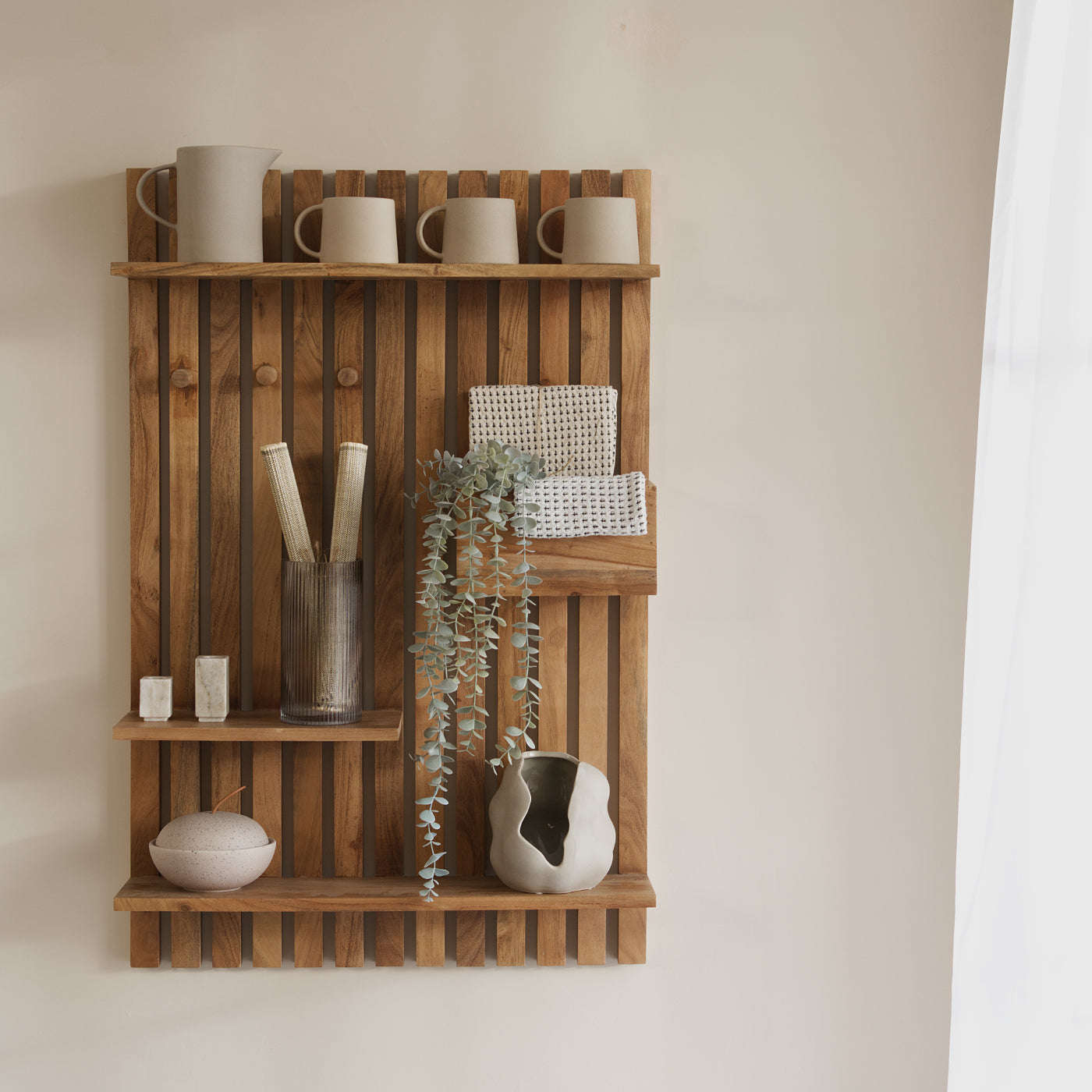
Slatted wood designs are particularly well suited to Japandi interiors, introducing texture and rhythm while maintaining the clean architectural lines the style is known for.

Fluted Side Tables
Japandi interiors rely heavily on restraint, which makes texture especially important.
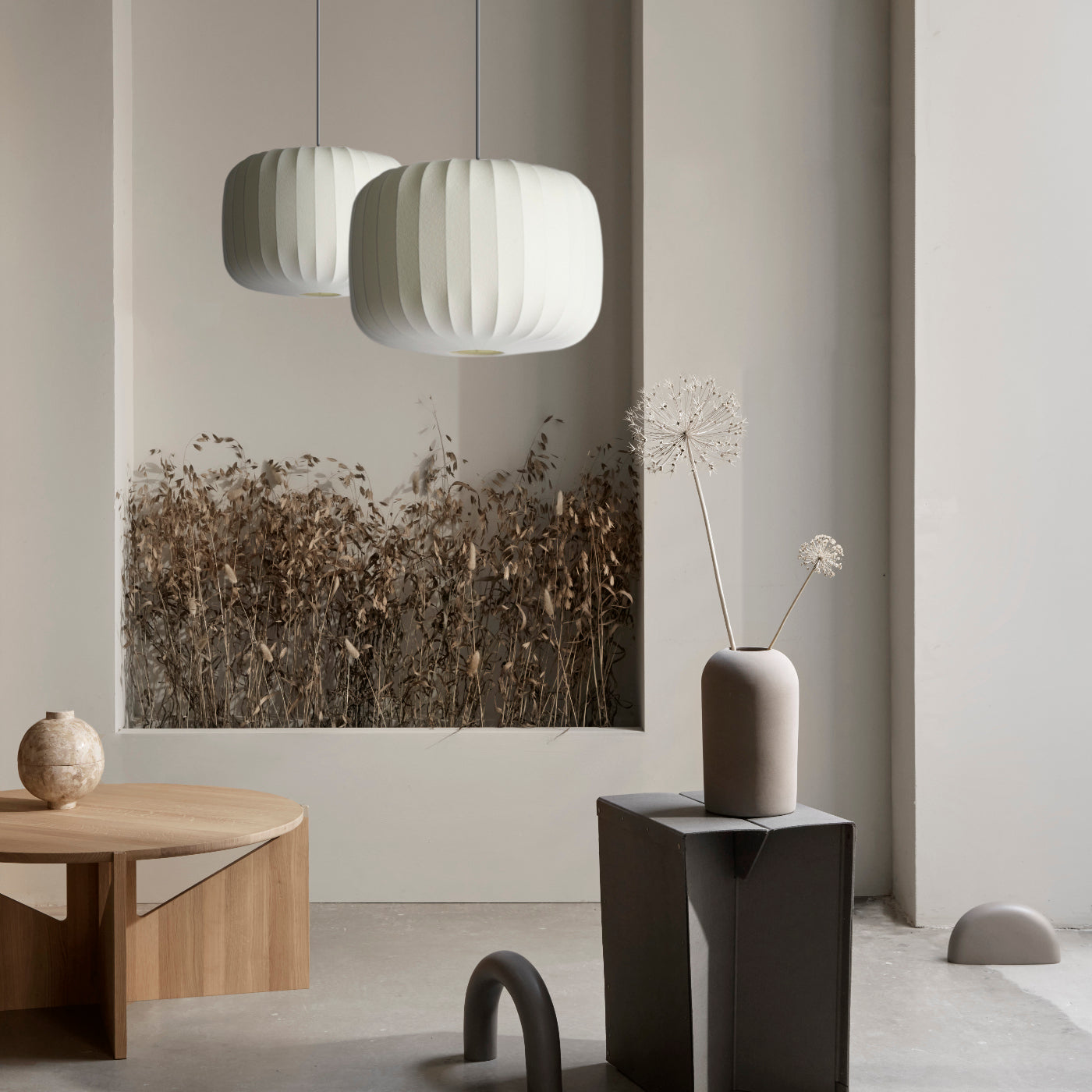
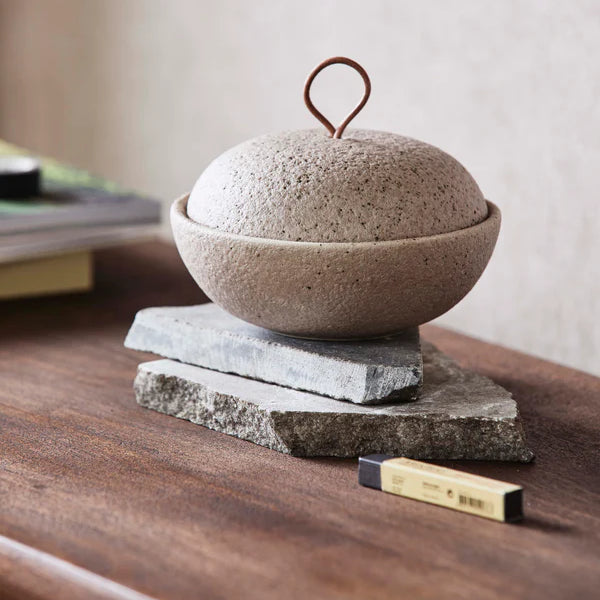
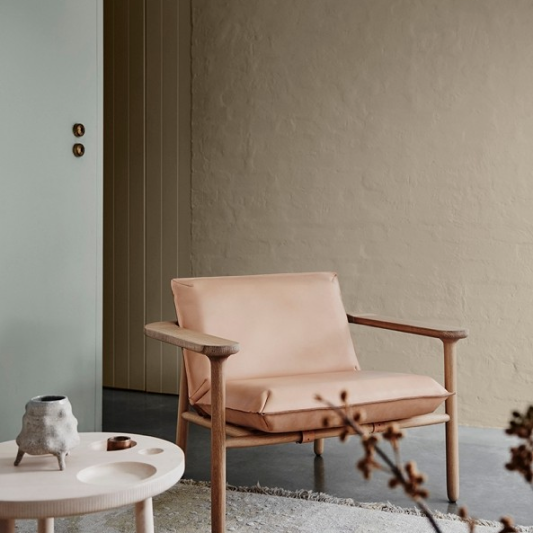
Fluted side tables, ribbed finishes, raw ceramics and tactile materials all help add depth without cluttering the space visually. Concrete, earthenware and weathered wood can sit comfortably alongside softer linens and woven fibres when balanced correctly.

Wabi-Sabi Influence
Not everything in Japandi interiors needs to feel polished.
The Japanese philosophy of wabi-sabi embraces imperfection and the beauty found in natural ageing, which is why rustic woods, uneven textures and handcrafted finishes work so well within the style. A weathered timber side table or sculptural tree-stump piece can often bring more character to a room than something pristine and overly manufactured.

Styling a Japandi Coffee Table
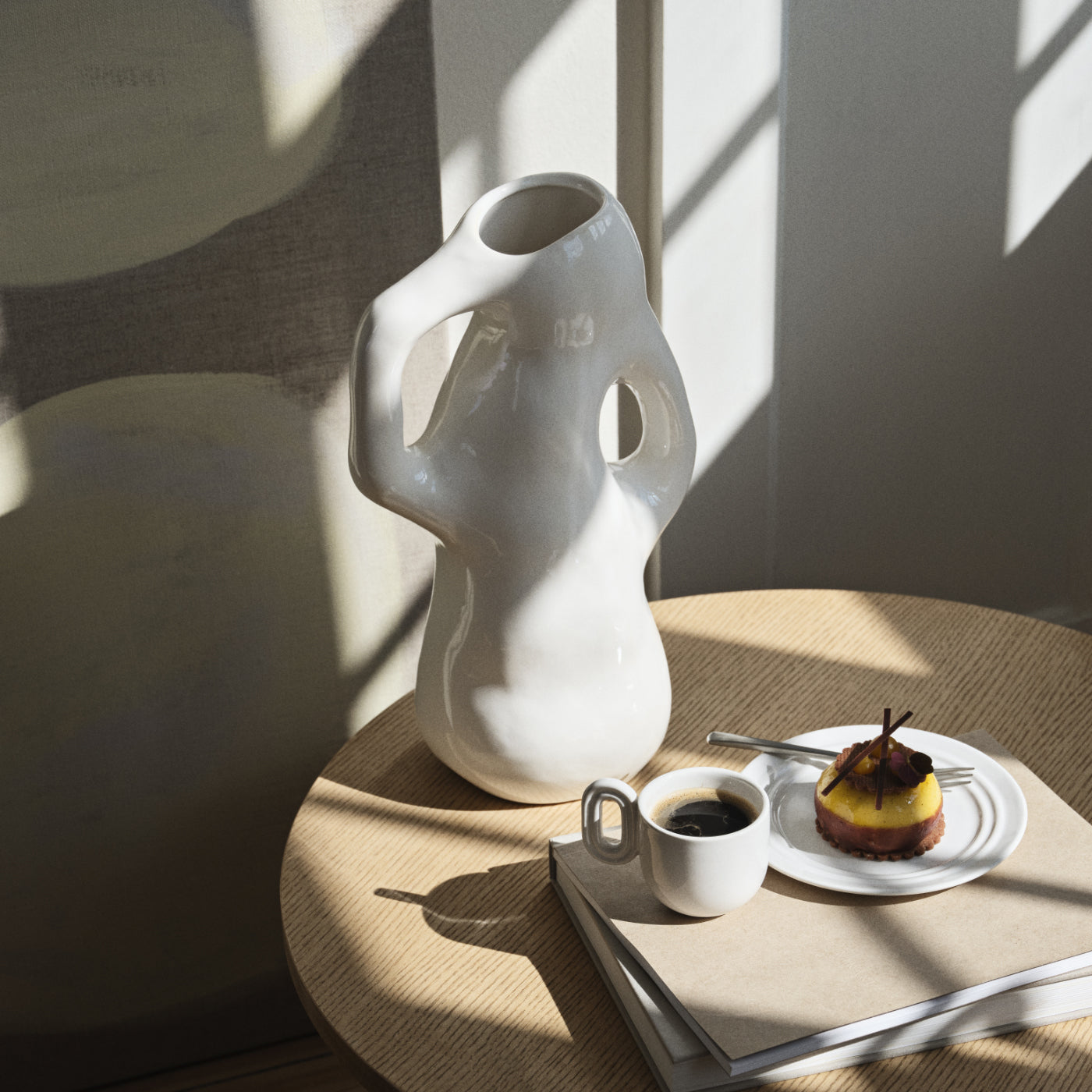
A small stack of books, a ceramic vase, a linen tray or a single sculptural object is often enough. Plants work beautifully too, particularly low-maintenance greenery such as bonsai or simple succulents that complement the calmer palette of the room.

The aim is to create breathing space around each object rather than filling every surface.
Japandi coffee tables succeed because they prioritise proportion, material and atmosphere over decoration.
Whether you lean toward lighter Scandinavian influences or prefer the more organic, imperfect side of Japanese design, the best Japandi interiors always feel balanced and easy to live with.