


The industrial look is huge, and it’s showing no signs of diminishing any time soon.
How much is too much? We’ve all walked into the latest restaurant or cocktail bar and admired the raw concrete, exposed pipework and oversized steel details. In the right setting, it feels atmospheric, edgy and full of character. But bringing that same look into the home is a different story entirely. Without balance, industrial interiors can quickly feel cold and more like a converted warehouse than somewhere you genuinely want to unwind. So where’s the line? How much industrial is too much?
Here are five ways to bring in those industrial influences without losing the warmth and comfort that make a home feel lived in.
Plants

(Image credit Pexels.com)
You live in your home every day. It isn’t a bar or restaurant designed to impress for a few fleeting hours. A home needs more than visual impact; it has to feel comfortable, too. One of the easiest ways to soften an industrial space is through colour and greenery.
Fresh flowers can sometimes feel overly decorative against exposed brick, concrete and weathered metal, but plants work within this style. The varied greens of palms, cacti and trailing ivy sit naturally alongside reclaimed woods, aged leather and darker metallic finishes, bringing life into the room without disrupting the earthy palette.
Scale matters too. High ceilings can handle oversized statement plants such as Kentia palms or Yuccas, helping to fill empty vertical space and add drama. Smaller rooms benefit from slimmer silhouettes or grouped arrangements, as a cluster of cacti, layered foliage, or a simple trailing plant on open shelving can completely change the feel of a corner without overwhelming it.
Open Kitchen Shelving
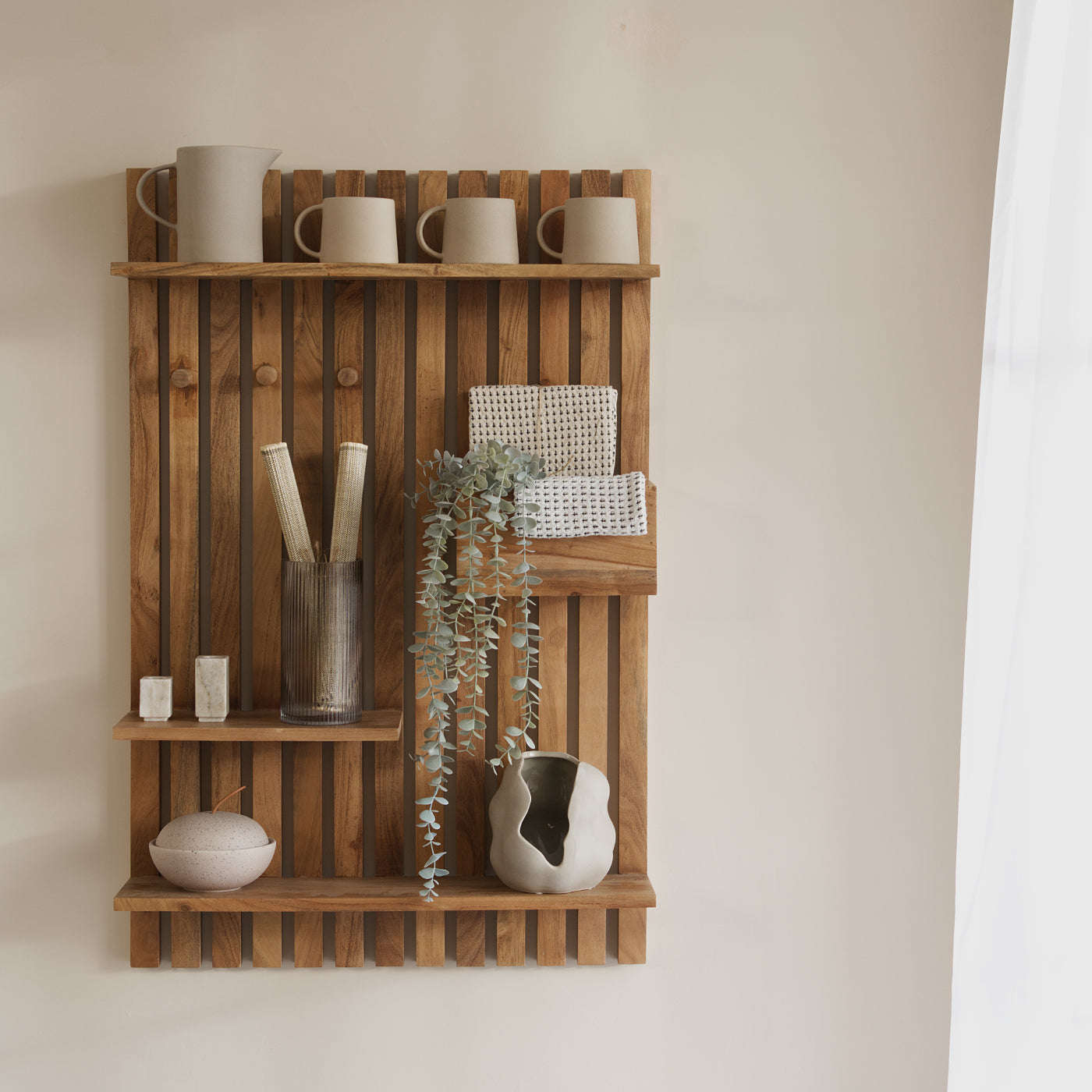
Industrial kitchens work best when they feel lived in. Heavy wall cabinets can sometimes make a space feel closed off, so replacing sections with open shelving is an easy way to create a lighter, more relaxed look.

A few vintage brackets, reclaimed timber boards and some basic hardware are often all you need to create shelving with genuine character. The beauty of this style is that it becomes more visually interesting as you use it. Stack ceramics, glassware, coffee pots, cookbooks and small plants together to create something practical that still feels considered.
The goal isn’t perfection. The charm comes from the mix of materials, shapes and everyday objects layered together naturally over time.
Experiment With Colour
Industrial interiors are often built around muted tones like charcoals, warm greys, aged woods and blackened metals, but that doesn’t mean colour has to disappear completely.
Rather than scattering lots of smaller accents throughout a room, try introducing one stronger statement piece instead. A large artwork, vintage-style rug or bold upholstered chair can completely shift the atmosphere of a space without taking away from the industrial aesthetic.
The contrast is what makes it work. Deep reds, burnt orange, olive, ochre or even a rich cobalt blue can add energy and personality against an otherwise restrained backdrop.
Add Textiles
Raw materials are what give industrial interiors their edge, but too many hard surfaces can leave a room feeling stark. Textiles are what soften everything back up again.
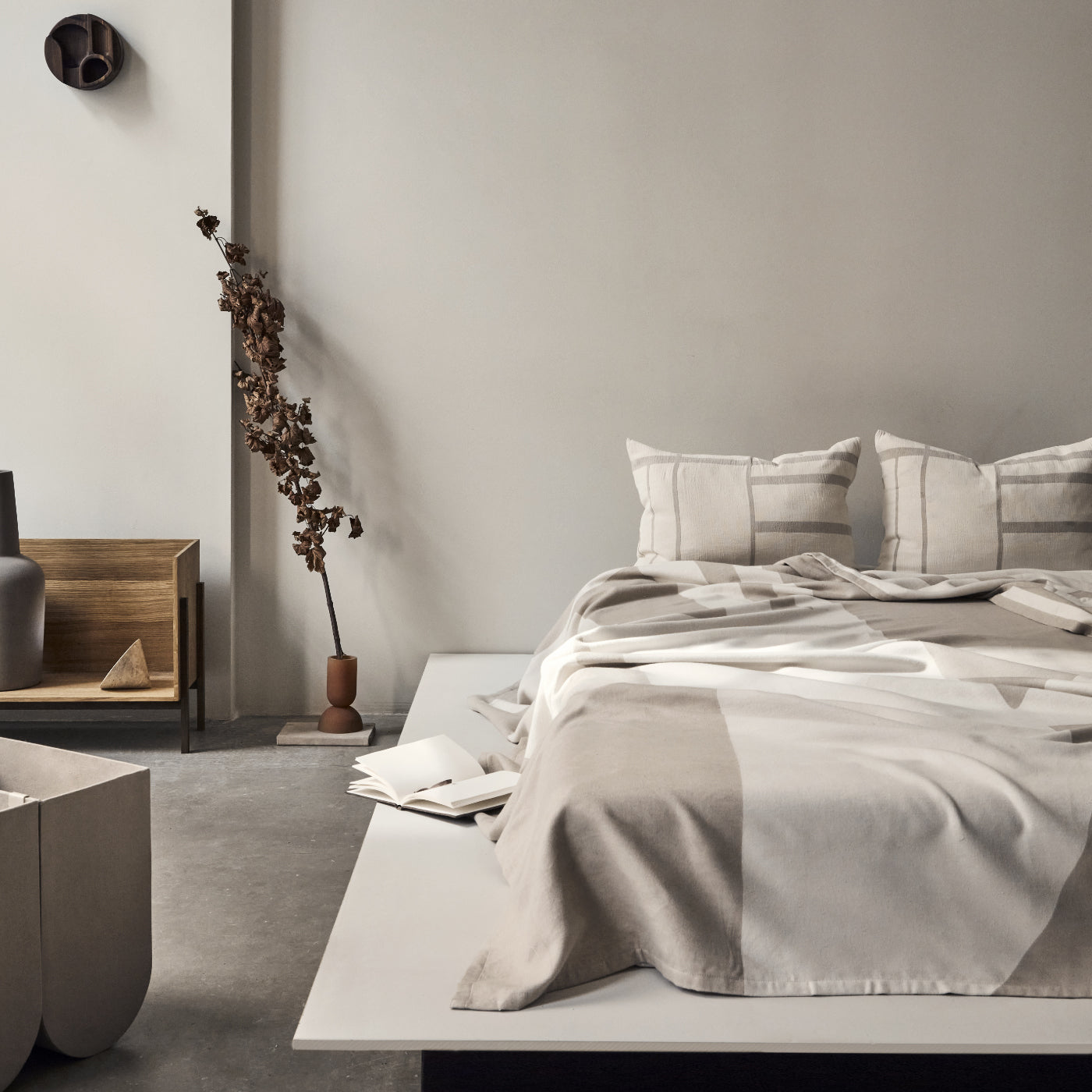
A reclaimed wooden floor may look beautiful, but layering it with a large woven rug instantly changes how the room feels underfoot. Oversized rugs work especially well in industrial spaces, grounding furniture and adding warmth without compromising the aesthetic.
Throws and cushions have a similar effect. Draped over leather seating or darker upholstery, they help balance harsher finishes and make a room feel more inviting. Linen, wool and handwoven textures tend to work particularly well within industrial schemes because they still retain that slightly raw, imperfect character.

Lighting
Lighting is often what determines whether an industrial interior feels atmospheric or cold.
Warm lighting is essential. Vintage-style filament bulbs instantly soften exposed materials and create a far more inviting glow than cooler modern lighting. It’s a small detail, but one that completely changes the mood of a room once evening sets in.

Material choice matters too. Metal shades in finishes such as aged brass or copper help bounce warmth around the room, especially when paired with softer ambient lighting. The contrast between warm light and raw materials is what gives industrial interiors their depth and character.
Get the balance right, and industrial style stops feeling harsh or overly themed. Instead, it becomes layered, relaxed and genuinely liveable.
Want more inspiration on styling an industrial apartment? Explore our guide here or browse our collection of urban industrial bar stools to complete the look.