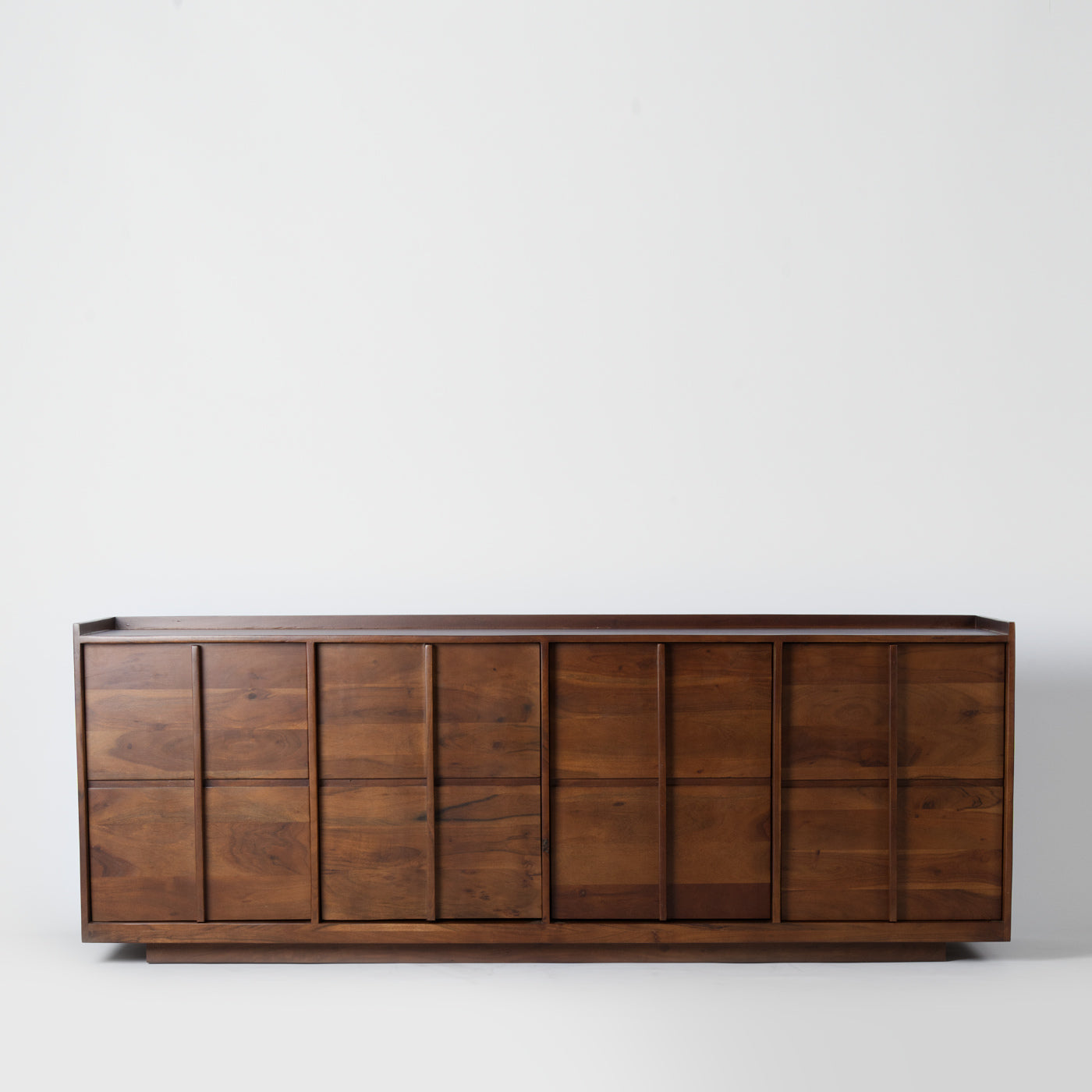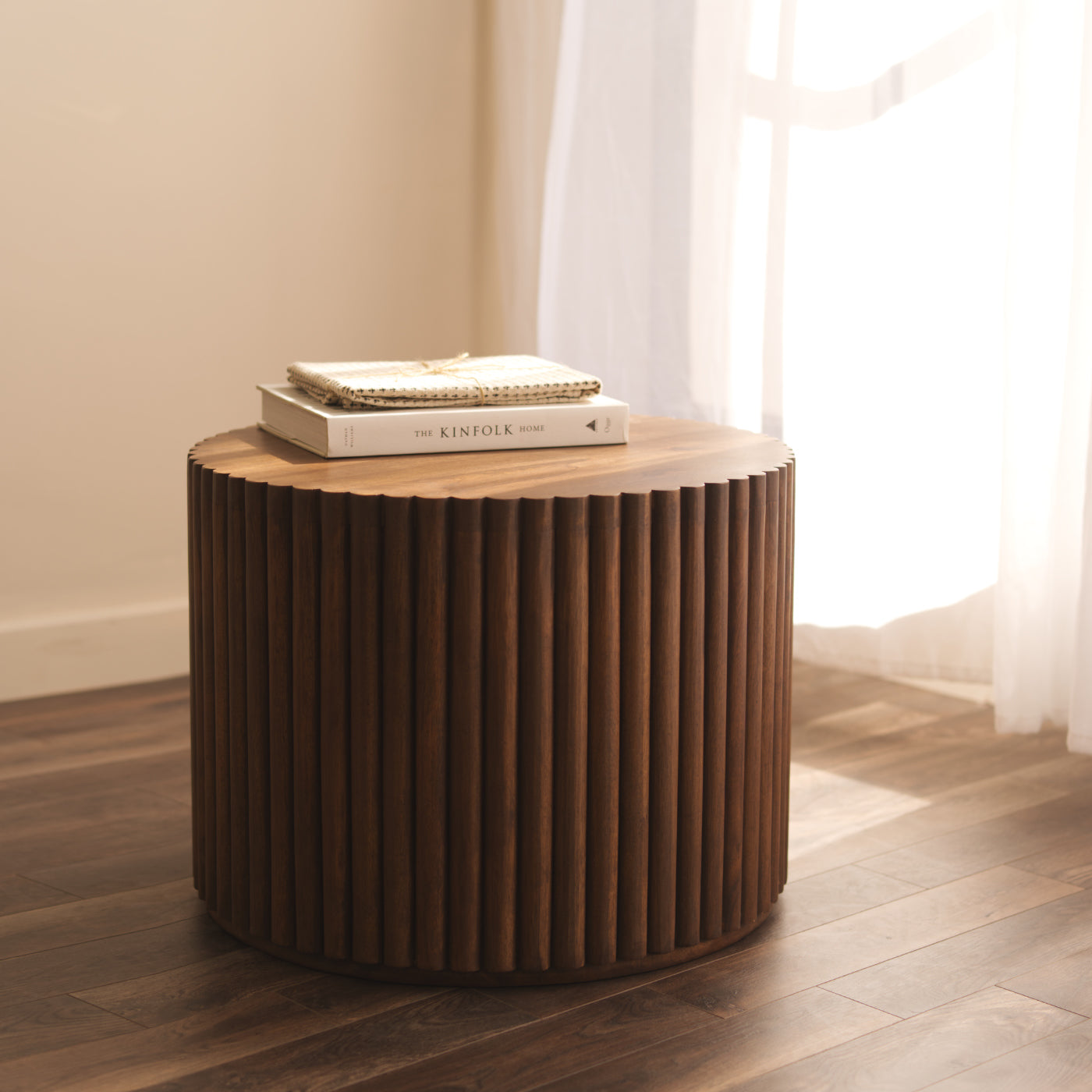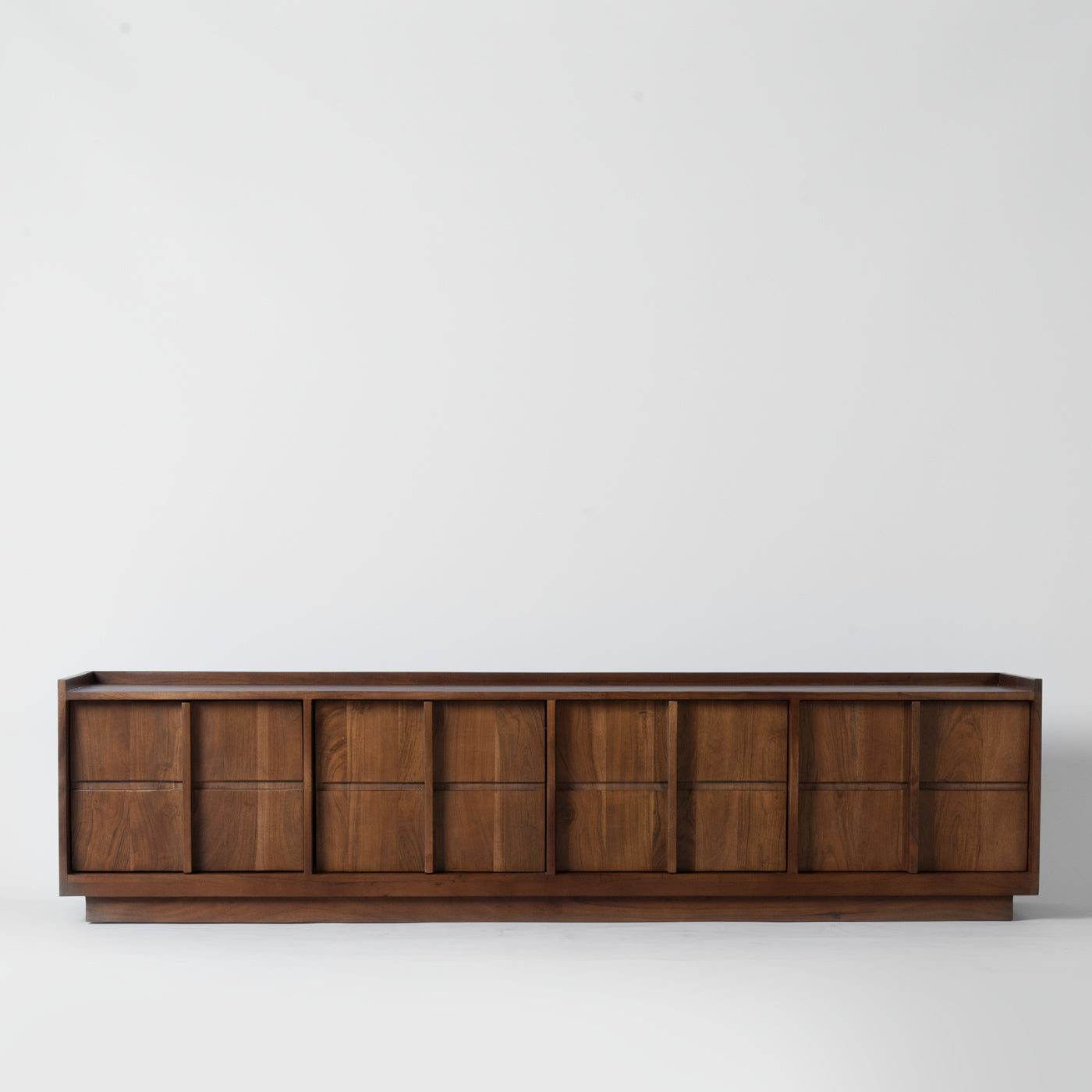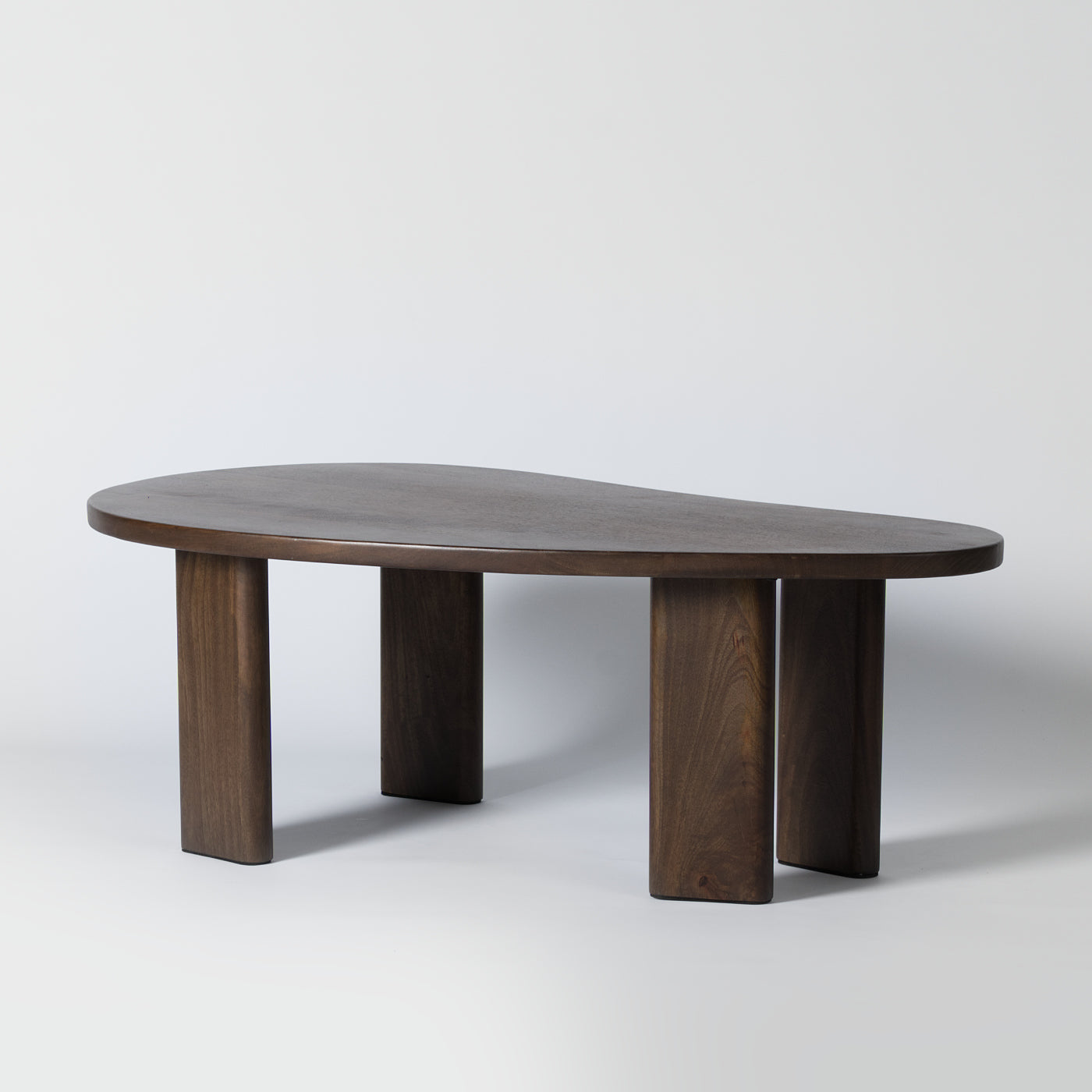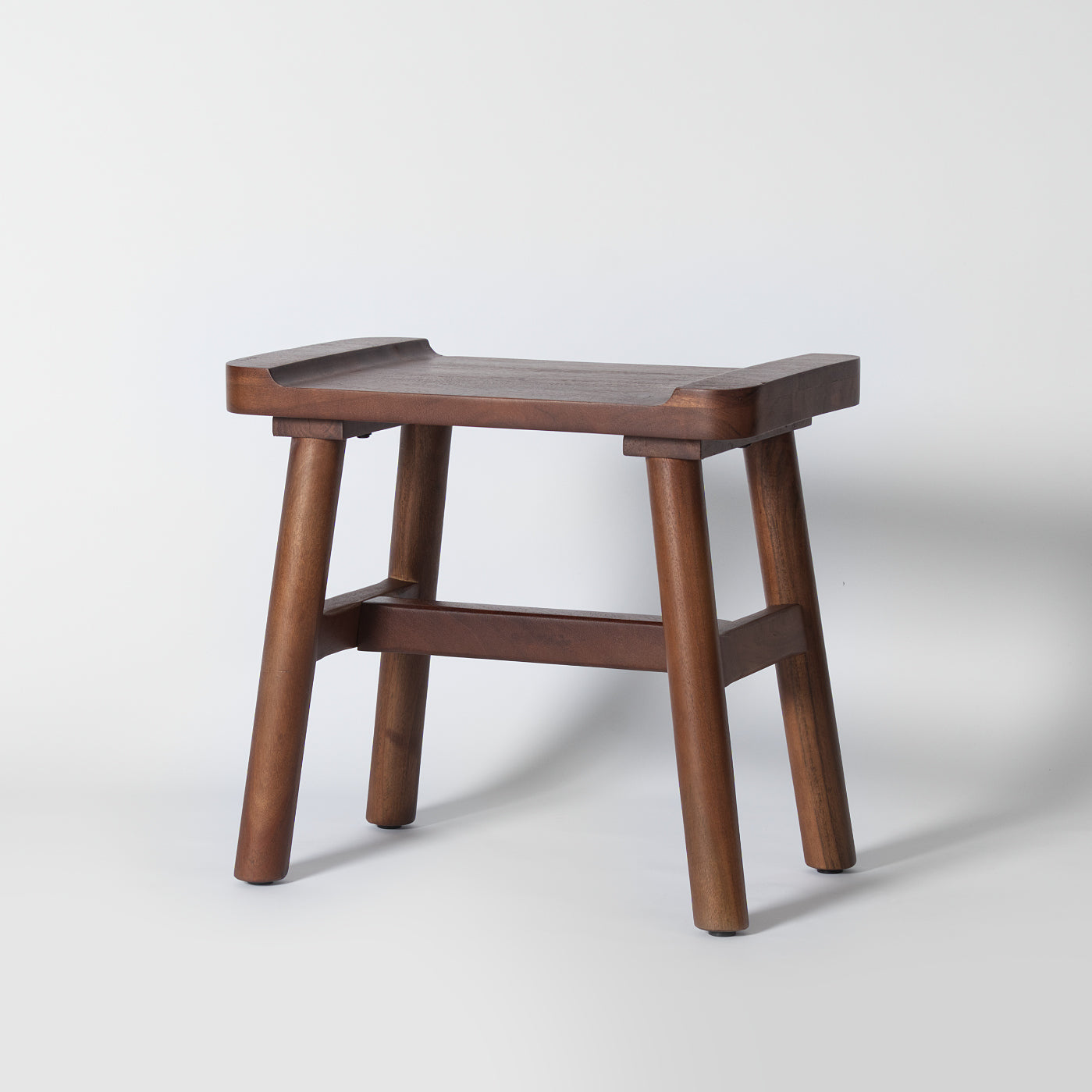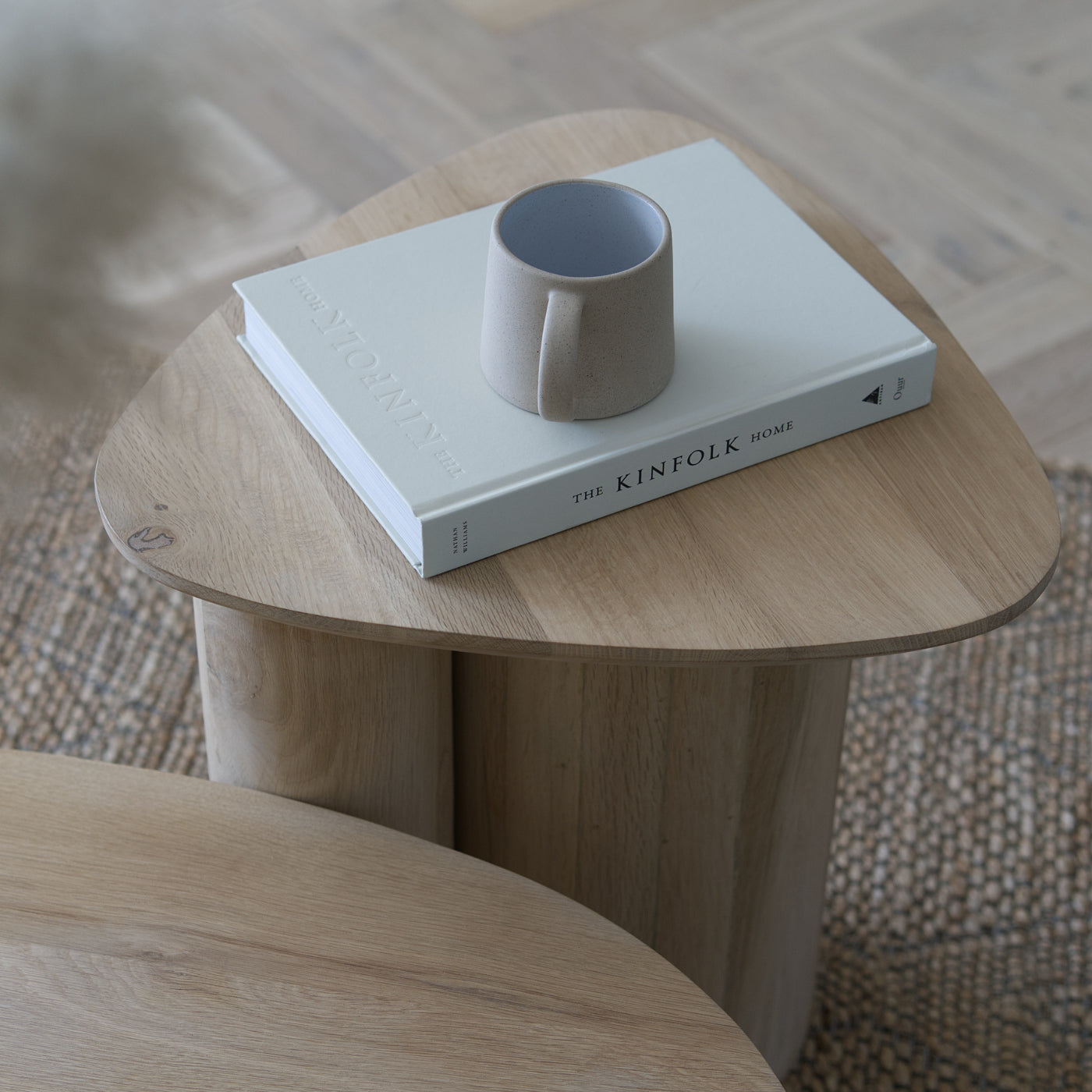
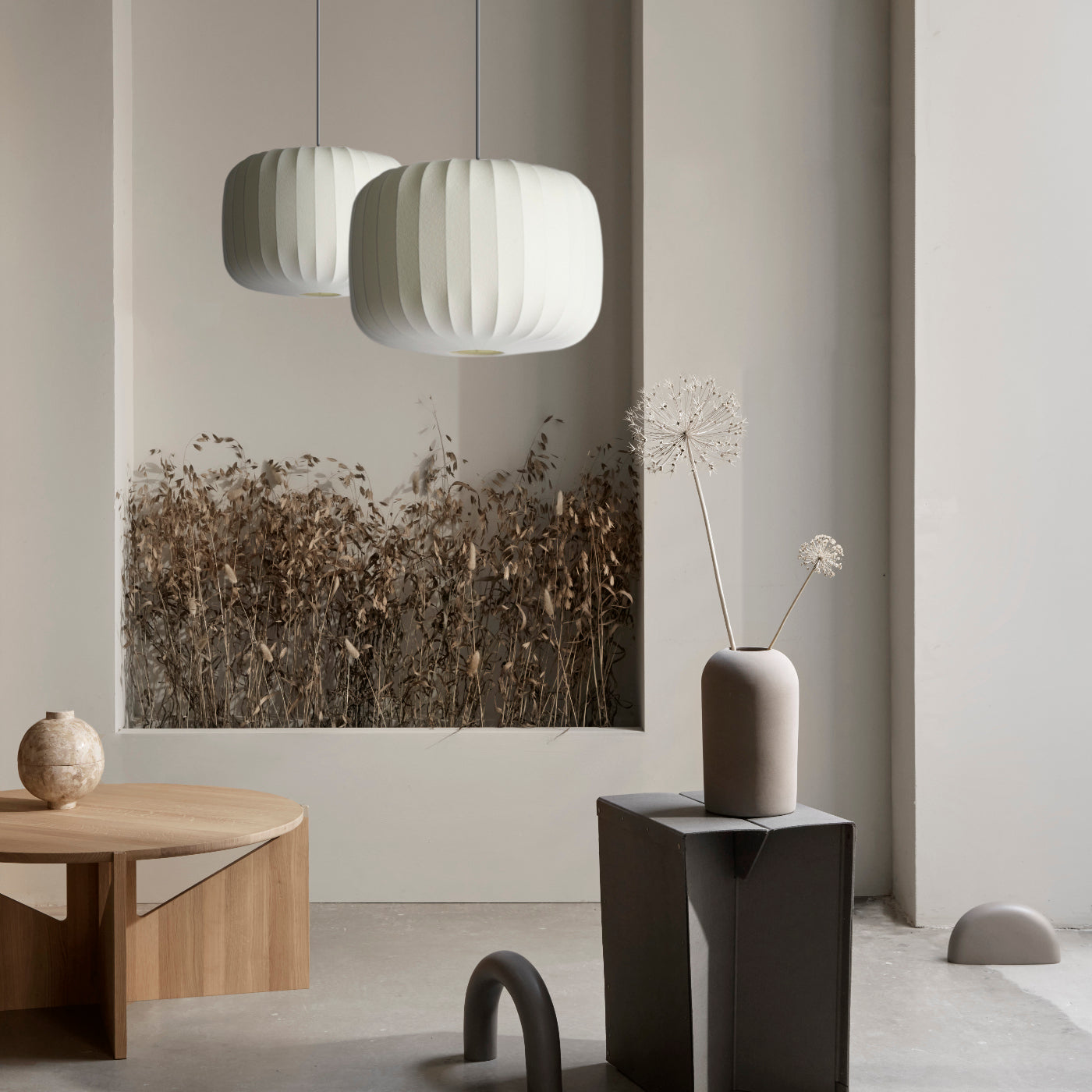
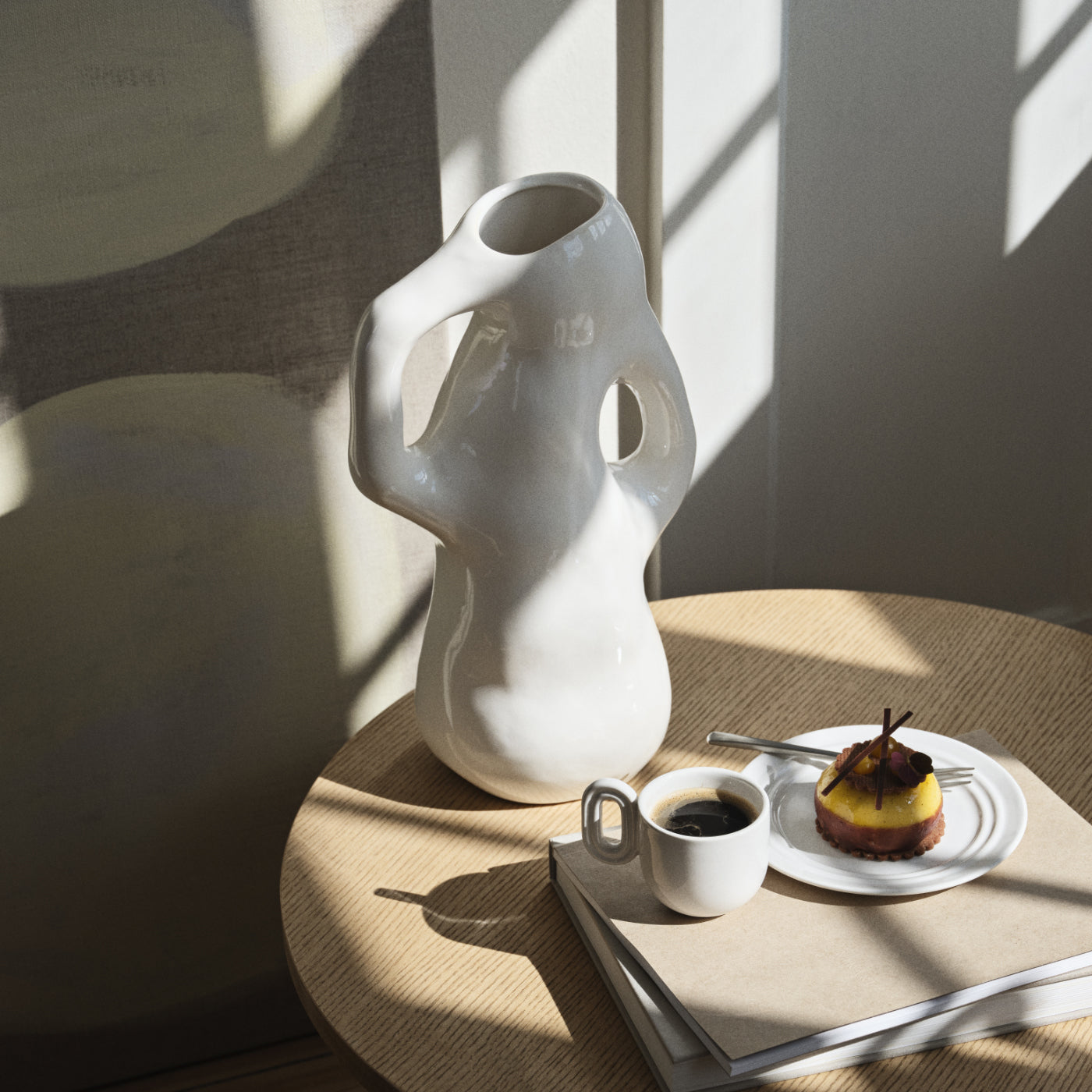
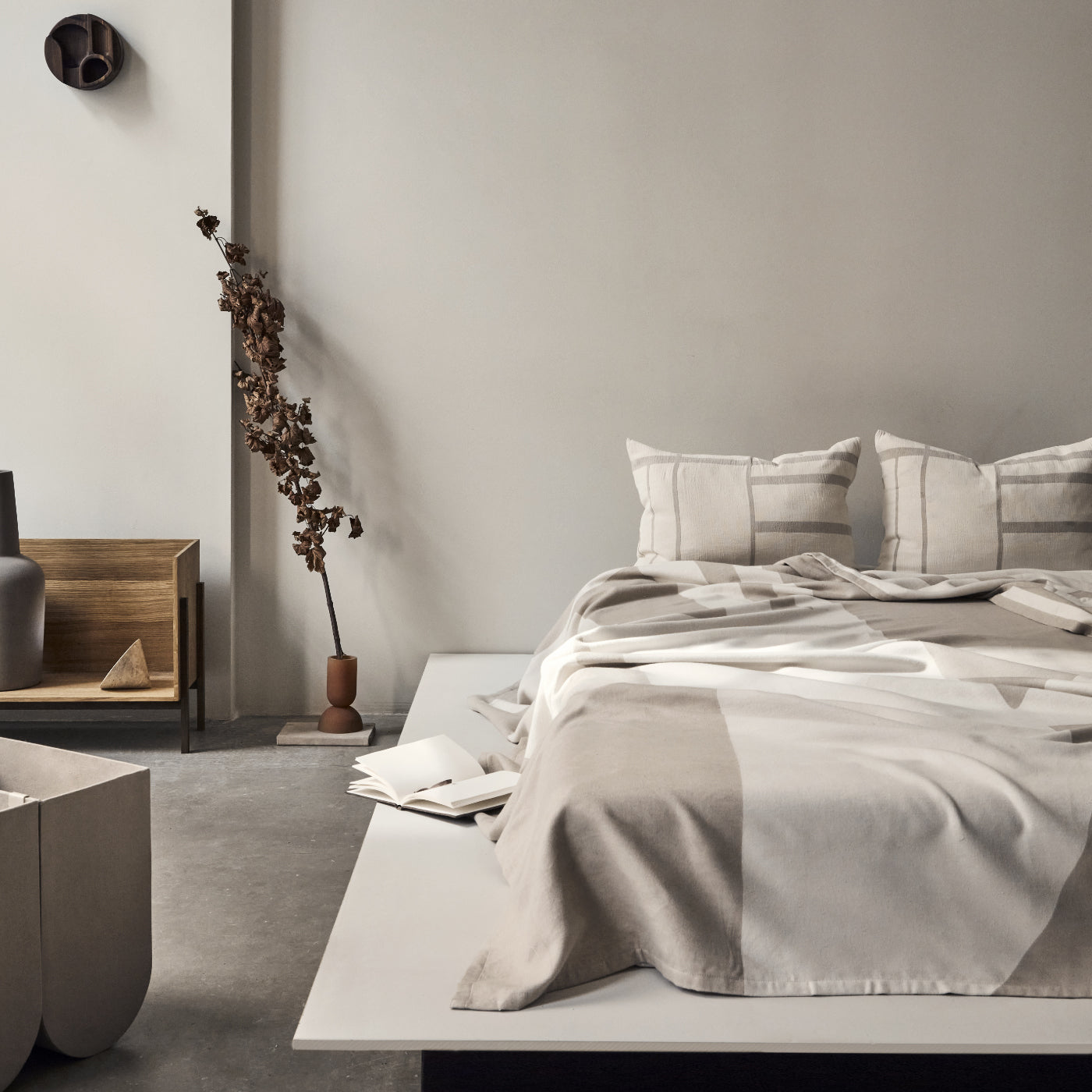
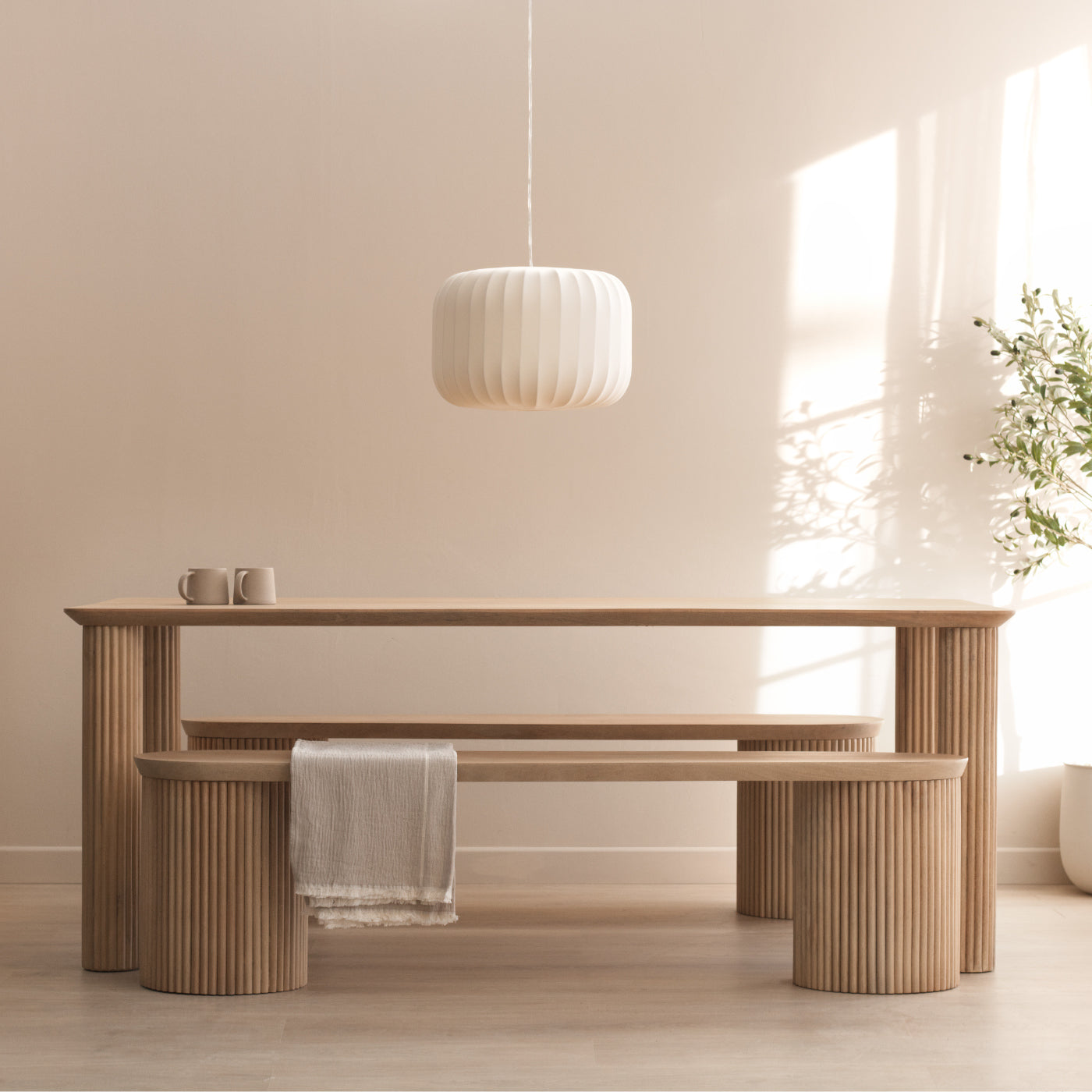
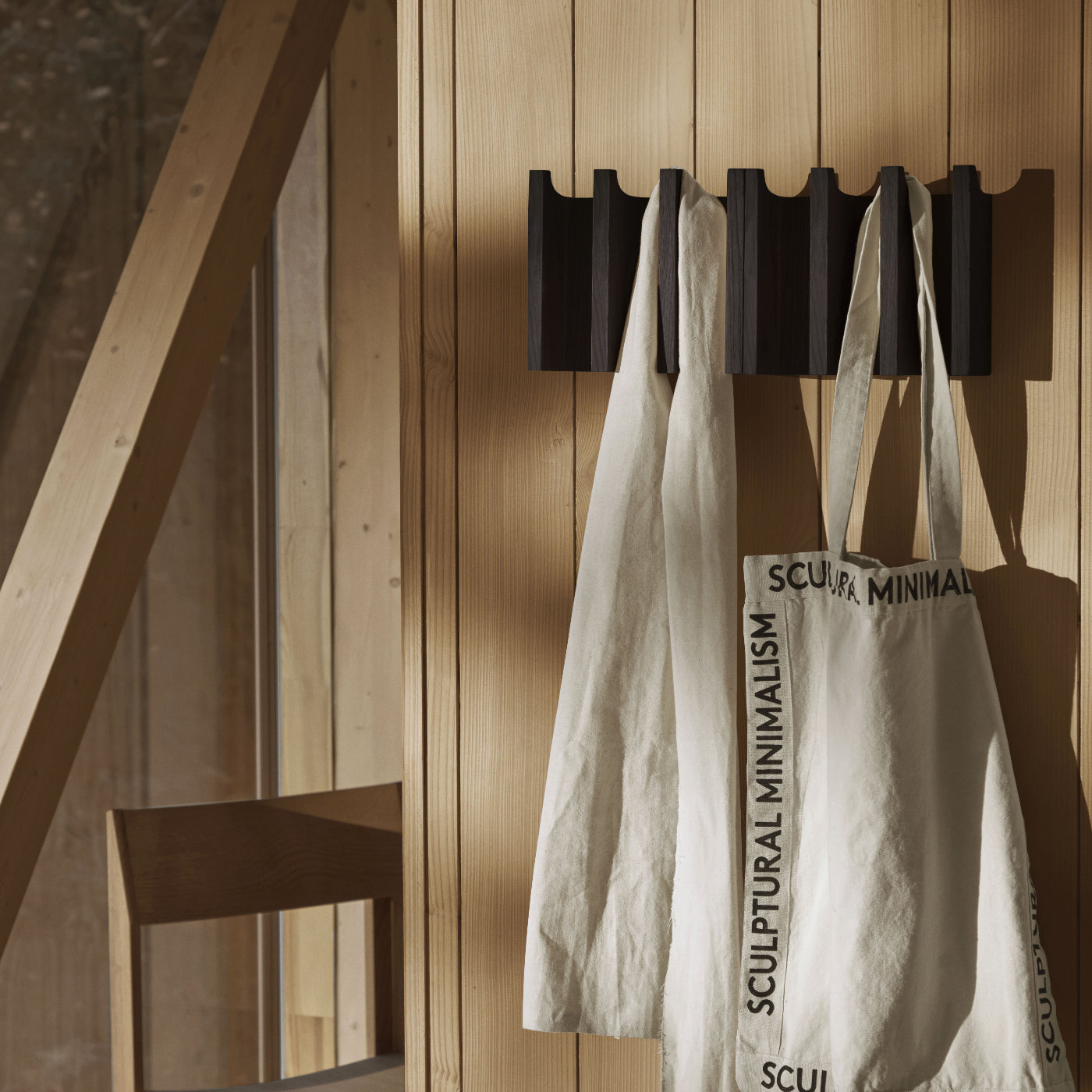
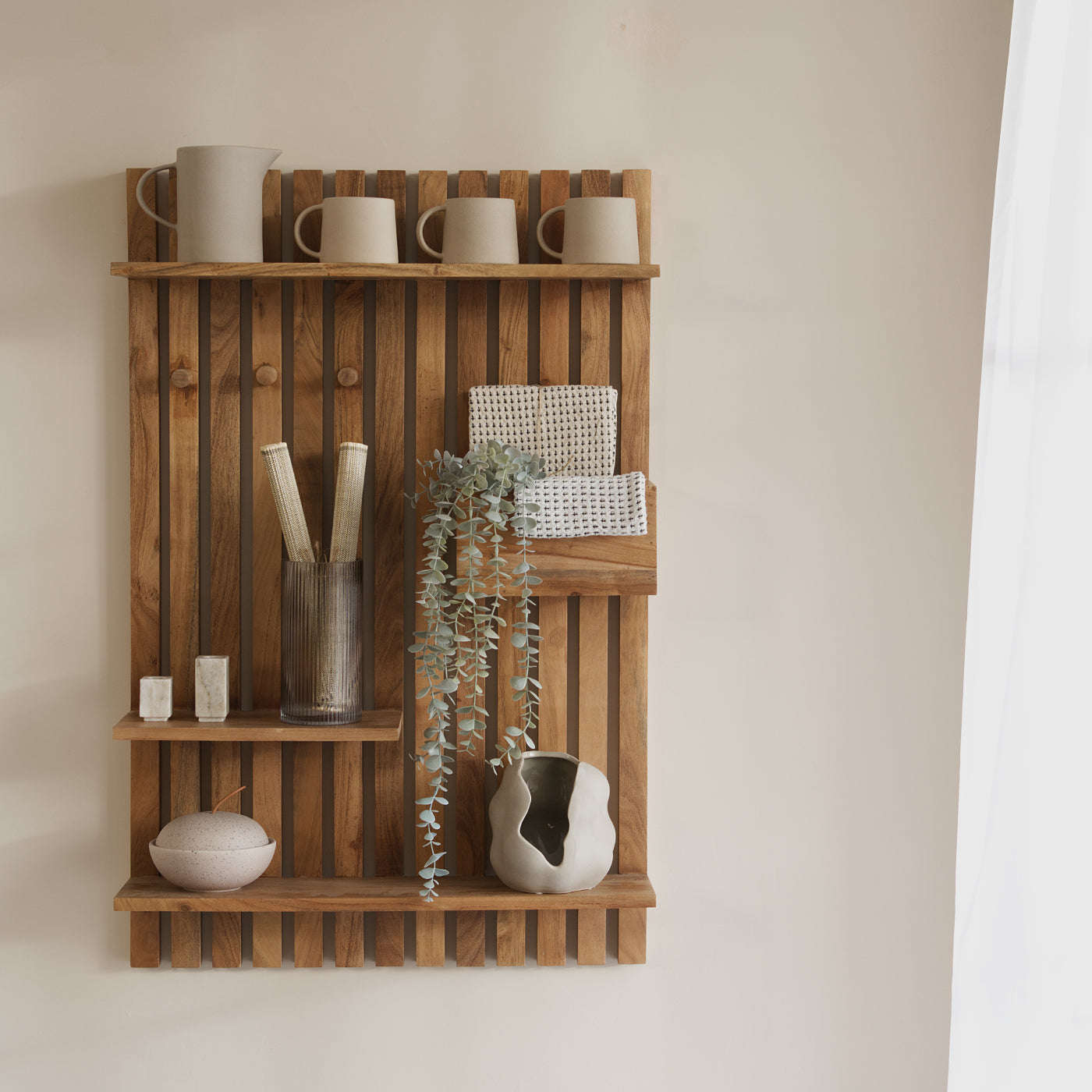
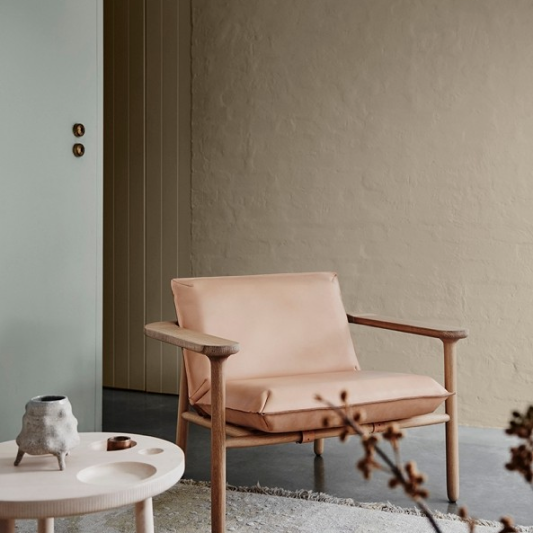
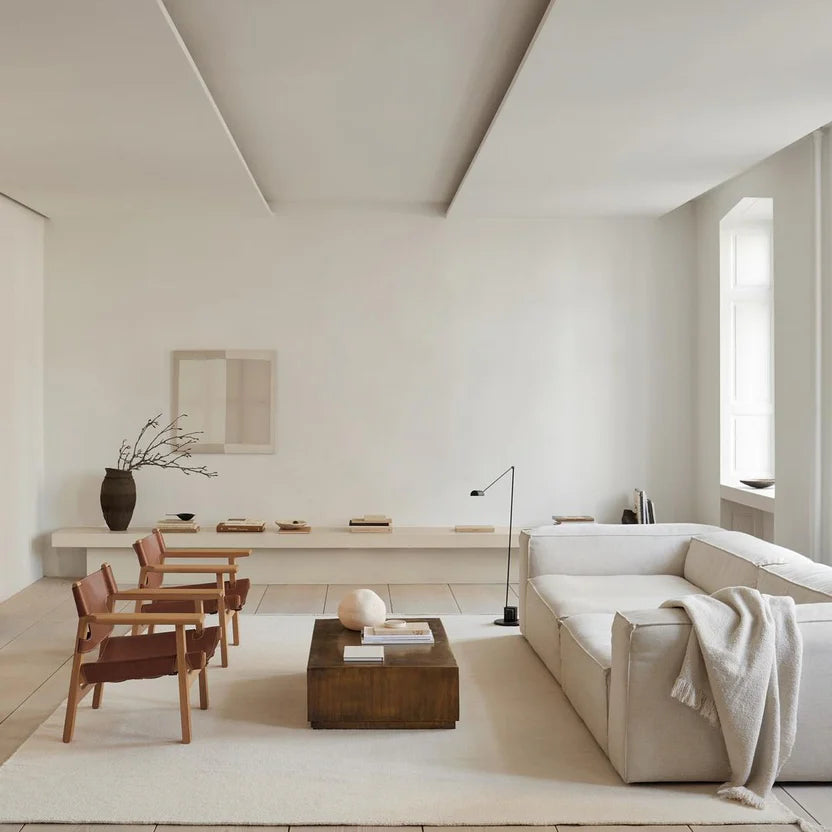


It’s fair to say that over the last several years, how we've designed and decorated our homes has been heavily inspired by Scandinavian minimalism. With its white walls and pale woods, our desire for the simple aesthetic it provided never wavered, but tastes have begun to change and a shift is underway.
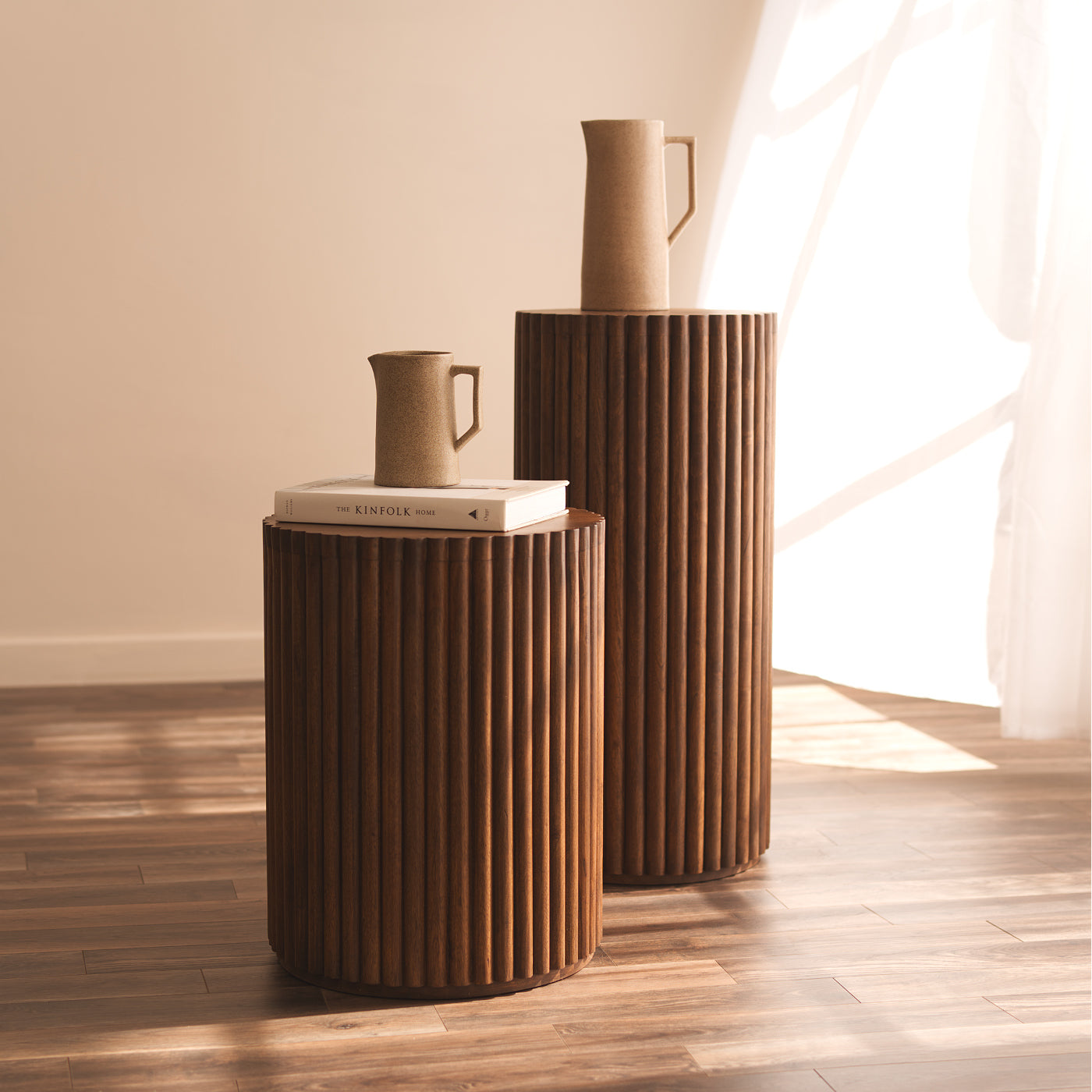
We all know that trends come in cycles, and 2025 has become a comeback year for rich, moody colour palettes and darker woods. This new urge for a moodier approach to interior design has reawakened our love of Walnut. Walnut is a wood with a true design heritage and unequalled elegance that never truly goes out of style. Revered for its aesthetic appeal due to its deep colour range and unique grain patterns, it’s combination of durability and workability has made it a go to wood for interior design.
Why Walnut Is Defining the Next Era of Interior Design

A Shift Towards Warm Interiors
It would appear that homeowners are moving away from minimalist interiors and pale woods, with the new approach being all about creating spaces that feel grounded and intimate. Rich deep tones are bringing back a warmth that has been missing from the minimalist inspired homes of the last decade or so. So Walnut fits perfectly within this new passion, as its naturally varying tones lend themselves to creating perfect interiors without making the space feel too heavy or outdated.
Walnut's Unique Visual Depth
With more than 20 different species of Walnut there are few woods that can offer such variety and depth, both in its colour and grain pattern. Each species has its own distinct colouring, for example:
-
American Black Walnut

Is best characterised by its rich dark brown colour which can lighten over time as it is exposed to sunlight. Its grain is generally straight, though it can sometimes exhibit wavy/curly patterns.
-
English Walnut

Its colouring can range from a lighter pale brown to a deep chocolate brown, this species of Walnut also is renowned for its grey, purple and orangey undertones. It is known for its irregular grain which makes it highly prized for its decorative curls and swirls.
-
Peruvian Walnut (also known as Tropical Walnut)

Is known for having a rich, deep chocolaty brown colouring, often darker and more consistent than other Walnut species. It can often display purple/reddish undertones.
An Appreciation For Craftsmanship
As we move away from fast furniture culture, Walnut offers the perfect material for durable pieces that are guaranteed to last. Its workability has been favoured by woodworkers for centuries, as it is easy to work with both by hand and machine and it takes finishes very well. It's stability and medium density lend itself perfectly to all aspects of woodwork, from intricate decorative carving to wood turning.
The Rise of "Quiet Luxury"
An emerging trend for 2026 that ties perfectly to the Walnut renaissance is the movement of "Quiet Luxury", its focus is on understated elegance, superior craftsmanship and timeless quality, and what wood better embodies this trend than Walnut. Beautifully handcrafted pieces offer luxury without being overly flashy, their presence effortlessly elevate any space, and offers dependability for years to come without ever losing their appeal.
Using Walnut in Contemporary Interiors

Interior designers often use Walnut as a grounding element, as a means to bring stability and visually anchor a space. In addition to this walnut furniture injects a feeling of warmth and sophistication that perhaps isn't achieved by lighter woods, using its naturally darker tones to give depth to a room that may otherwise feel flat.
Below is a brief breakdown of how Walnut can function within a real home, looking at furniture choices and material that pair perfectly to maintain a cohesive feel and look.
Walnut Furniture Is An Ideal Focal Point
Walnut is an ideal material for pieces of all sizes though it makes the biggest and most effective impact in the more substantial pieces we use every day. For example a large walnut dining table becomes the grounding element and focal point of an open plan space, or a beautiful handmade sideboard can add depth and stability to a living space. With the wide range of colour and grain offered by Walnut, even adding something as basic as a coffee table introduces a visually interesting element and focal point to a space.
Complementary Materials
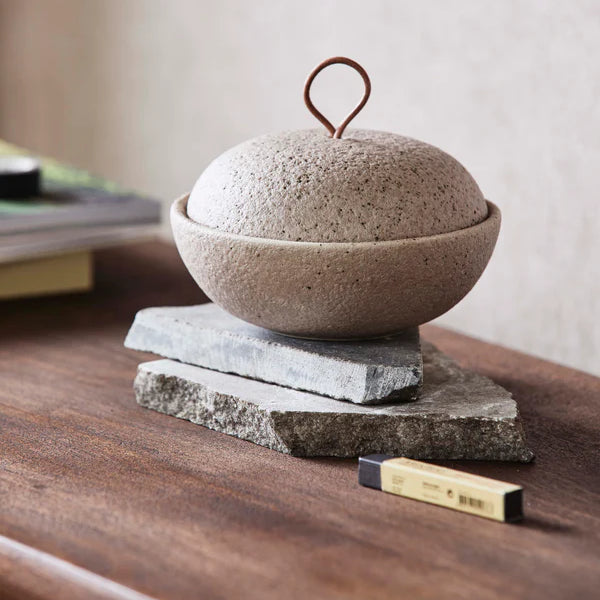
Walnut pairs perfectly with a variety of materials, from dark metals for contrast to natural textiles that add warmth. Its diverse undertones pair well with taupes, greens and charcoals giving it the flexibility to be used in both light and moody interiors.
A Versatile Style
Very few materials transcend styles as easily as Walnut, as it can embody the look and feel of any space its placed in. It projects the warm and natural feelings within a more modern and organic home, it brings feelings of balance and calm to a more Japandi inspired space. It brings a refined and often understated luxury that doesn't feel forced or heavy handed.
Why Walnut Never Truly Goes Out of Style

The current resurgence in Walnuts popularity isn't just a trend but a response to our desire for pieces that endure, that are crafted from high quality materials. Our love affair with fast furniture is on the decline and we're returning to pieces that stand the test of time. Walnut will always fit into this shift and as styles evolve Walnut will be right there, and it will always be the best choice.