

There was a time when everything we purchased was built to last and if a fault occurred it would be repaired rather than simply replaced. These days, the mindset of investing in something that will last has faded, to be replaced by the lure of instant gratification via substandard alternatives.
If we all took a step back and thought about how much of the furniture we have in our homes has needed replacing over the years, the answer may come as a surprise. Though we can perhaps be forgiven for adopting the ‘if it fails, replace it’, as the rise of ‘fast furniture’ mindset, especially as fast furniture has made high-end style more affordable, this convenience often comes with hidden costs we often overlook.
So, what is the answer? Well, we believe it’s all about balance and making the choice to invest in high quality items where we can. Firstly however it’s important to understand why this change is important.
What is ‘Fast Furniture’ and Why Does it Disappoint

You have likely heard of fast fashion and have definitely heard of fast food, but are you aware of the concept of fast furniture? In simple terms it describes inexpensive designs that are manufactured with planned obsolescence in mind, to satisfy the immediate desire without offering long term usability.
The approach is subtle, by manufacturing pieces from low quality raw materials we are kept in a cycle of needing to replace furniture far more frequently than we should, so understanding what fast furniture is made from and why it fails is the first step in changing the way we purchase.
The Subtle Art of Planned Obsolescence

Photo by Farhad Fallahzad on Unsplash
The obvious difference between high quality pieces and fast furniture is the raw materials used to manufacture each piece, and whilst a lower price will always be appealing the furniture itself will never truly stand up to real life like something that has been manufactured with quality and longevity in mind.
Some of the most common materials that make up fast furniture and ultimately should be avoided where possible are:
Composite wood
- MDF (Medium Density Fibreboard)
Made from both hard and softwood waste products that are pressed together with resin and adhesives to form panels, it’s highly susceptible to moisture which results in swelling and structural failure. Once structural issues present themselves it cannot be repaired due the harmful dust that can be produced.
- Chipboard/Particleboard
Made from wood chips, sawdust and wood shavings mixed with synthetic resins and compressed into rigid boards. It is much weaker than solid wood or plywood and is again highly susceptible to moisture, resulting in a short lifespan due to low durability.
- Hardboard
Manufactured by compressing wood fibres under high pressure, it again is highly susceptible to moisture and isn’t suited to applications the ability to bear weight is required.
Plastic Laminate Coatings
Rather than a good quality wood veneer that can be repaired or refinished if needed, fast furniture often opts for plastic laminates glued over a cheap core material (MDF, Chipboard etc.) to mimic woodgrain. These will chip and peel overtime and cannot be repaired or replaced.
Low Quality Upholstery
When thinking in terms of sofas etc. low quality and cheap synthetic fabrics combined with polyurethane foam which loses its structural integrity over time, resulting in cushions sagging and becoming misshapen.
The Financial Impact of Failure
Now that we have begun to consider the impact of the low-quality raw materials used in fast furniture, we must also acknowledge a bigger issue, the financial impact of constantly replacing failing furniture. We must face the undeniable truth that taking the time to invest in quality, handmade investment pieces are often the more financially viable option in the long run.
There is no denying that the upfront cost for a high-quality piece of furniture will always be higher, but if it is possible to do so then spending the extra money will ensure a longer lifespan and a smaller dent in the wallet.
If we take a common item such as a chest of draws, and compare two hypothetical scenarios over a 20-year timeframe:
|
|
Fast Furniture Chest of Drawers |
Investment Furniture Chest of Drawers |
|
Initial Price: |
£200 |
£800 |
|
Expected Lifespan: |
3 to 4 years (Mass produced from low quality materials) |
20+ years (Manufactured to last from hardwood, quality craftsmanship) |
|
Potential Replacements: |
5+ over 20 years. |
0 over 20 years |
|
Total Spend (20 yrs) |
£200x5= £1,000+ |
£800 |
|
Likely Resale Value (20 yrs) |
Minimal (£0 to £50) |
Moderate (£150-£300+) |
|
Maintenance/Repair Costs |
Negligible (Usually replaced when broken) |
Minor (e.g. new draw runner, touch up, re-sand etc) |
This scenario only addresses the financial impact of fast furniture, it doesn’t address the time we give up when assembling a piece or the environmental impact once we inevitably have to dispose of yet another failed item, the impact goes far beyond the financial.
The Investment Hierarchy: Where to Start Spending Smart

When making the transition to high quality pieces the key is to take a strategic approach and to not feel like everything must be done at once. We know that the cost is going to be higher, so this is where balance comes into play. We need to identify what pieces need attention first and good way to do this is to divide the potential investment pieces into two categories:
- · Primary Investments:
The primary pieces should always be those that will be used the most day to day and impact your comfort, so things like a sofa, bed frame, dining table etc. These pieces form the foundation that will be built on, and quality should be a non-negotiable when investing.
- · Secondary Investments:
The secondary pieces are more focused towards function and storage, items such as sideboards, media units, coffee tables etc. Whilst they won’t necessarily be as high use as the primary items they enhance the comfort and ease of daily life.
Room by Room: Your Investment Road Map

The Living Room
As one of the most used spaces in the home, investing in high quality pieces is a must to ensure prolonged comfort day to day.
- Primary Piece – Sofa
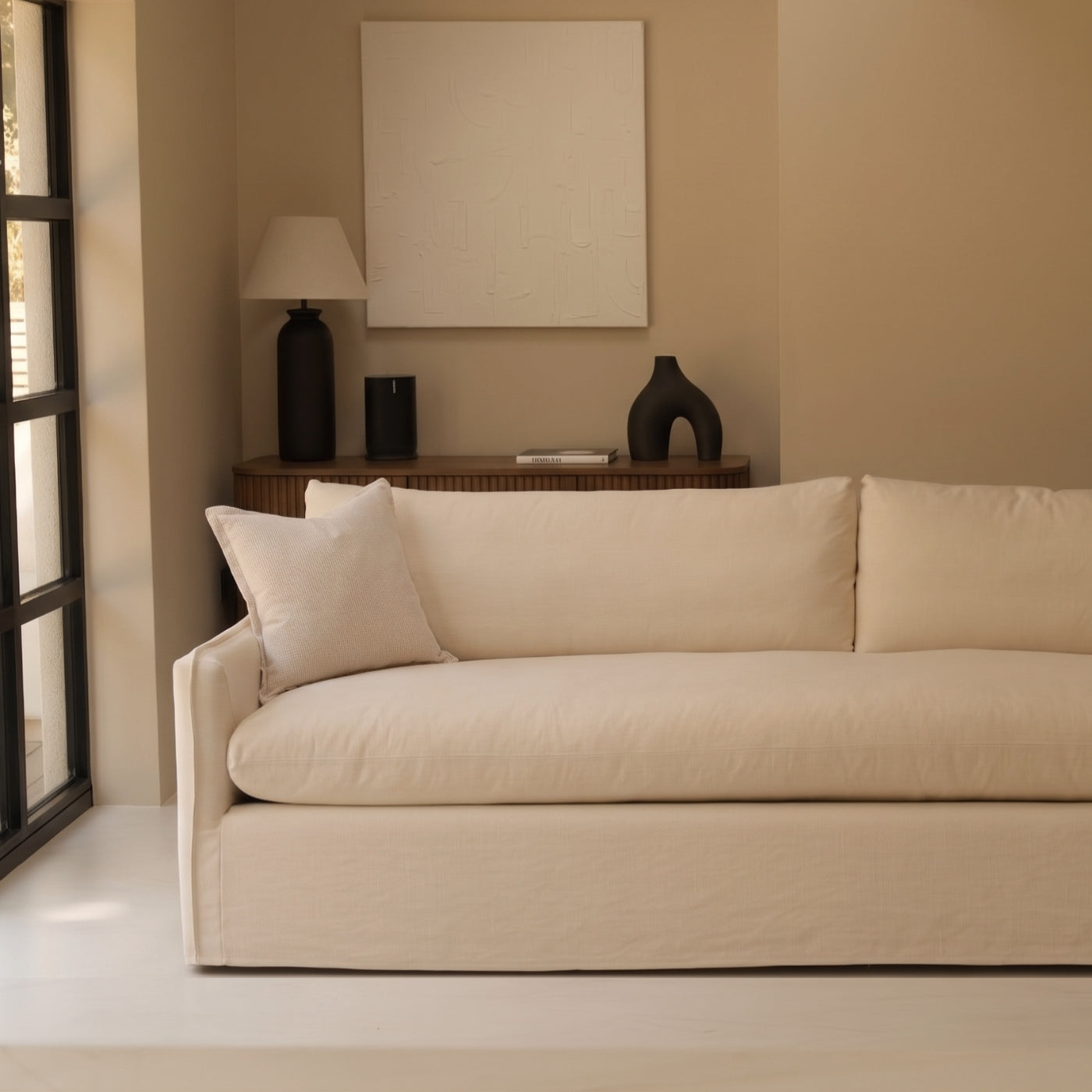
The sofa is arguably the second most used piece of furniture after the bed, as it is estimated that on average people in the UK spend approximately 44 days (1060 hours) sitting on the sofa per year. So, making the choice to invest in a hardwood frame and high-quality upholstery will guarantee years of comfort and support.
- Secondary Piece – Media Unit (TV Stand)
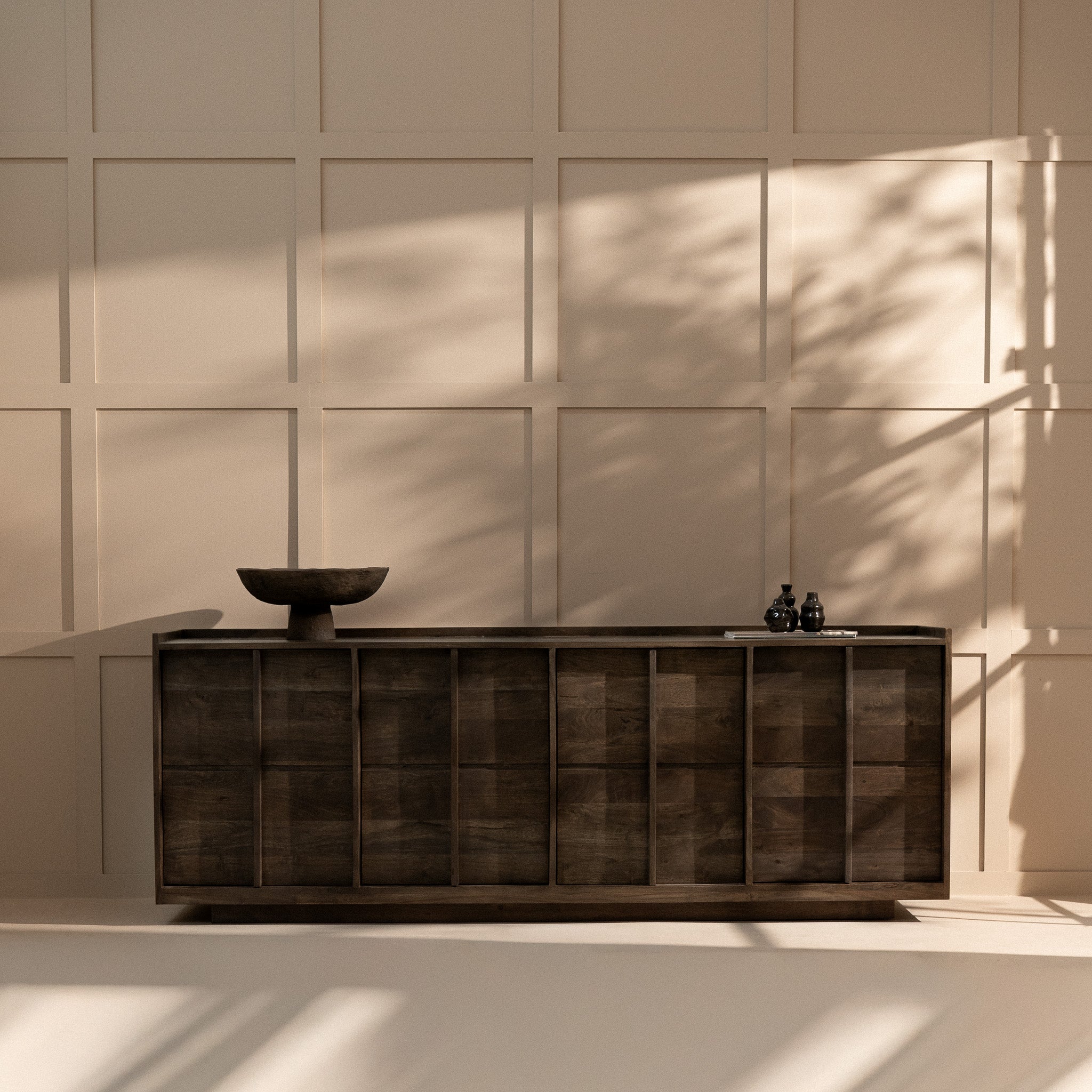
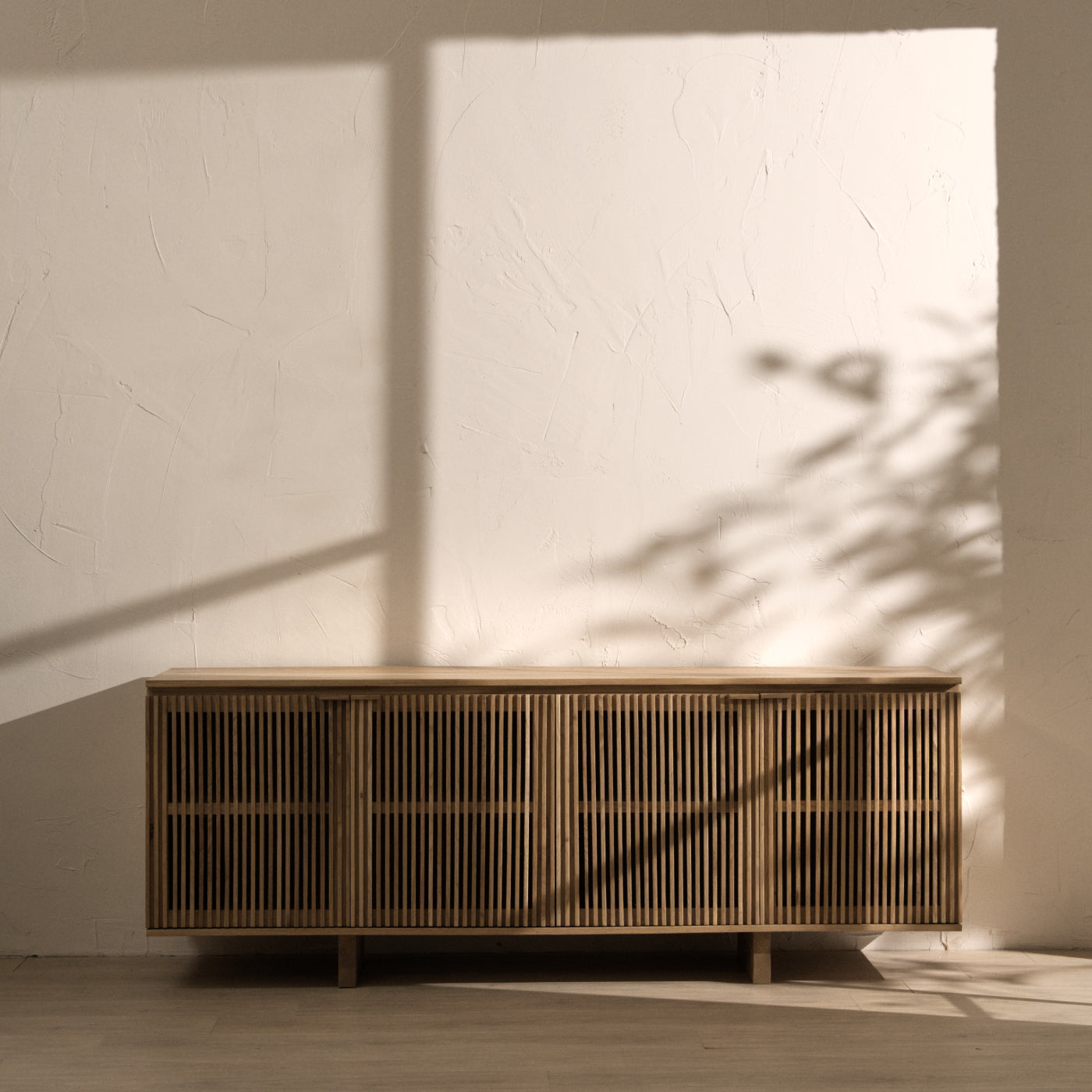
Media units are a main staple of the living room by offering a safe surface for the TV whilst also providing additional storage. As with the sofa, making the decision to invest in a quality hardwood media unit is a financially sound choice due to the durability and solid construction.
Bedroom

The bedroom requires investment in quality to support your rest, which in turn has a big impact on your overall mood and health.
- Primary Piece – Bed Frame (And Mattress)
We spend over a third of our lives in bed, and as we know good sleep is important for both our mental and physical health. Investing in a quality bed frame (and mattress) is an investment in your mental and physical wellbeing for years to come.
- Secondary Piece – Chest of Drawers
An important and practical item that deserves the investment. Look for hardwood with solid construction, dovetail joints etc, to ensure prolonged use and peace of mind. In the event a repair is required, this can be easily facilitated due to the robust materials.
Dining Room

The dining room is so often a social hub in the home so making a point to invest in pieces that will stand up to persistent daily use is important.
- Primary Piece – Dining Table
Over time the dining table will perhaps endure the most stress as it needs to withstand heat, spills and structural stress from everyday use. Opting for a piece that can be resurfaced or repaired when required is essential, think solid oak with a natural wax or lacquer finish.
- Secondary Piece – Sideboard
As with the media unit, investing in a hardwood sideboard will ultimately pay for itself over time. The ability to repair and resurface hardwood furniture ensures prolonged use without the need to replace it.
The Budget-Conscious Investment Plan

Making the decision to start investing in premium pieces over fast furniture can be a smart long term choice however, we must be realistic and acknowledge that this isn’t going to happen overnight and is a process.
Always keep the budget in mind and be strategic in your approach, prioritising quality and durability over something cheap that looks nice but has no substance. Take the time to prioritise the most crucial pieces first, and ask yourself ‘if I only have the budget for one new piece of furniture this year, which item is going to impact my comfort and daily life the most?’
It is important to alway look at investing in quality furniture is a journey to be enjoyed, something that you can look back with pride in years to come, knowing you have broken the cycle of constantly replacing inadequate pieces. So always take the time to consider and appreciate each piece and always prioritise what matters to you most.