

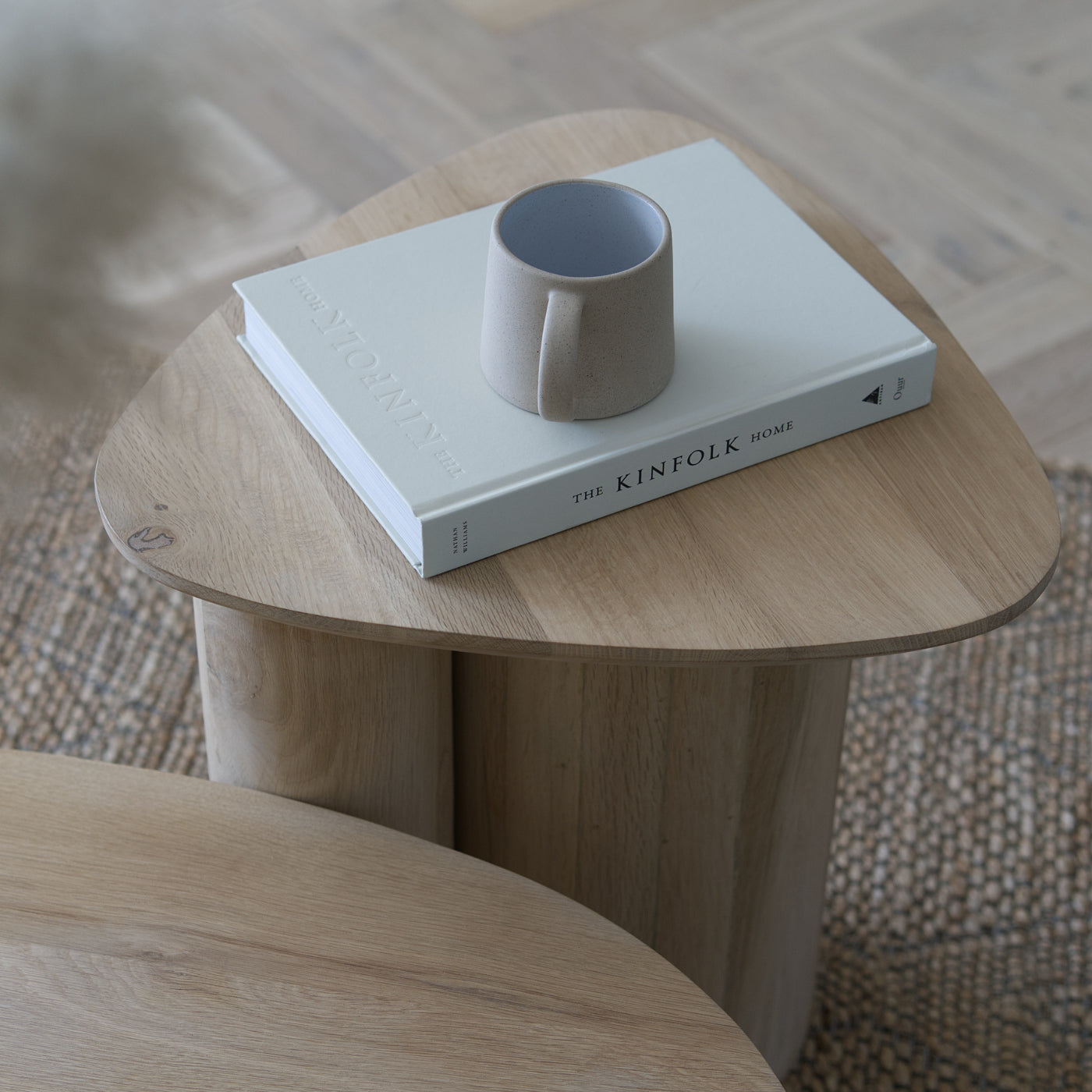
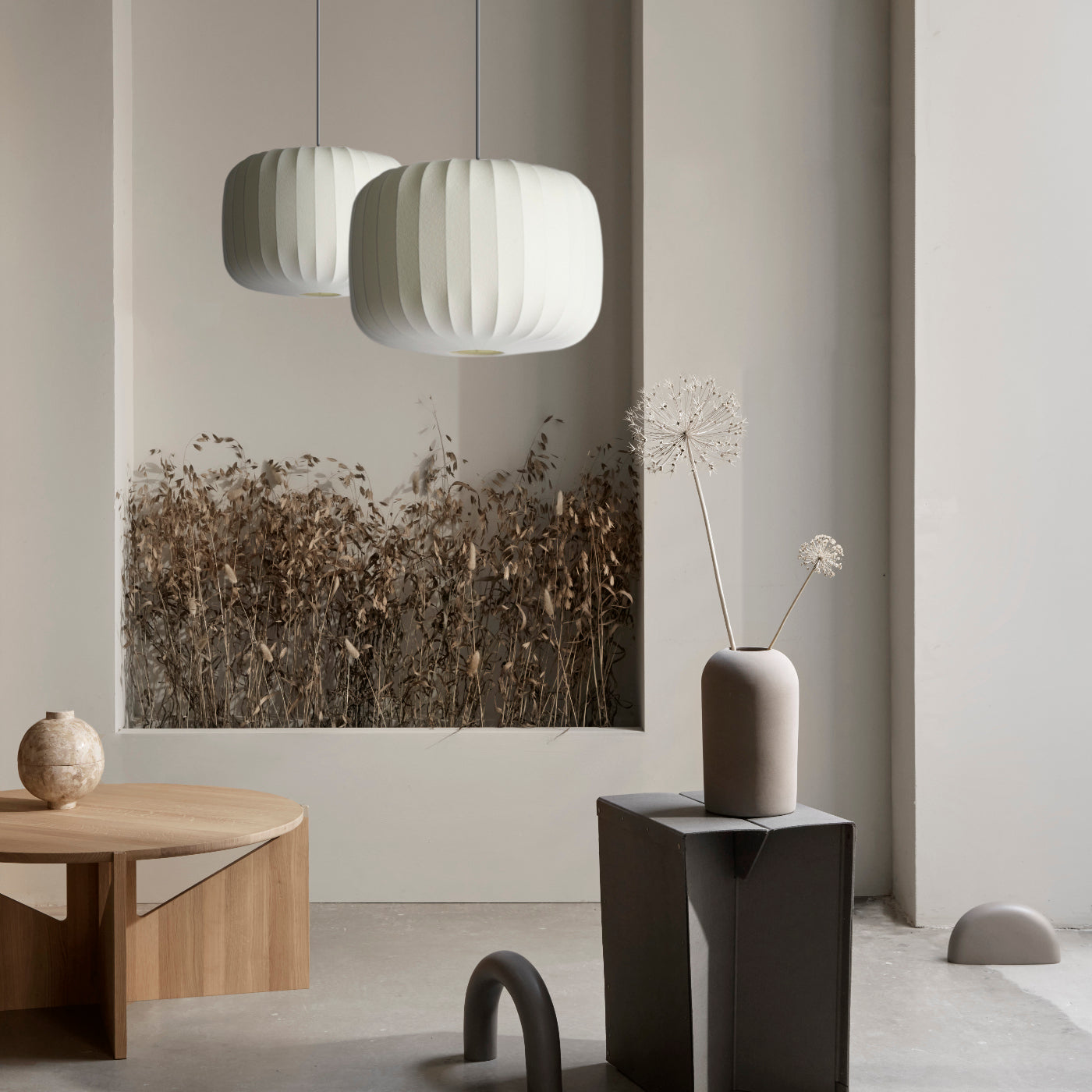
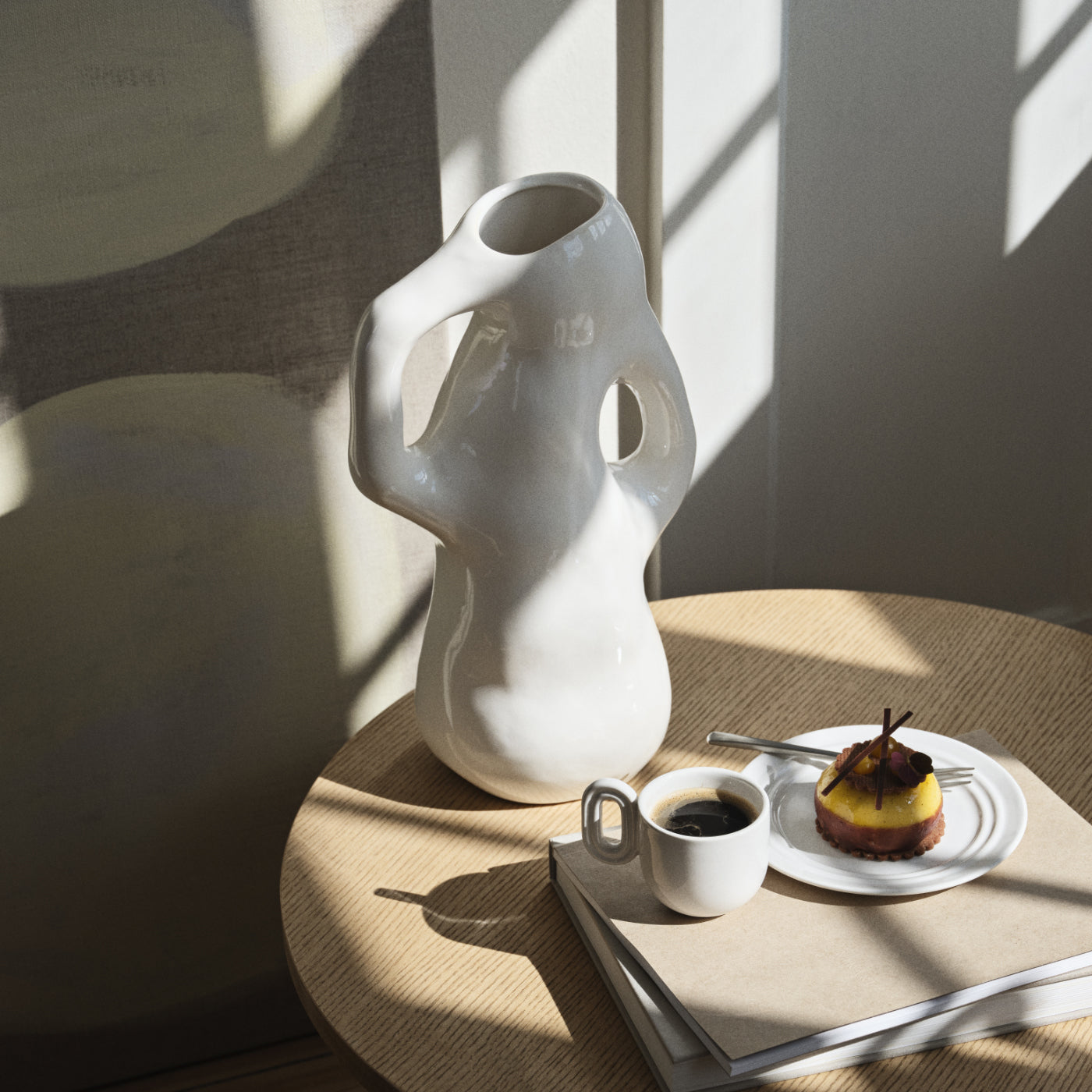
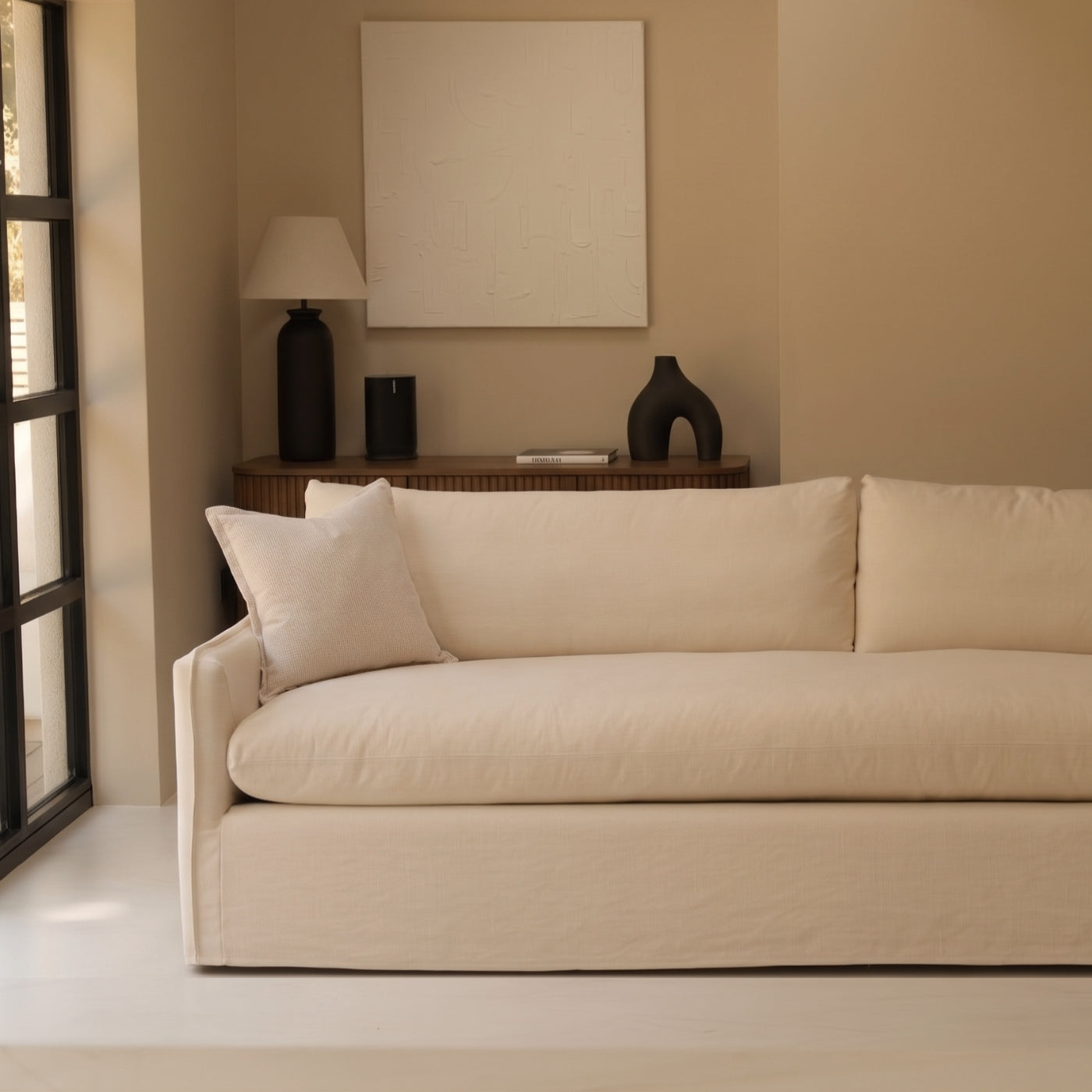
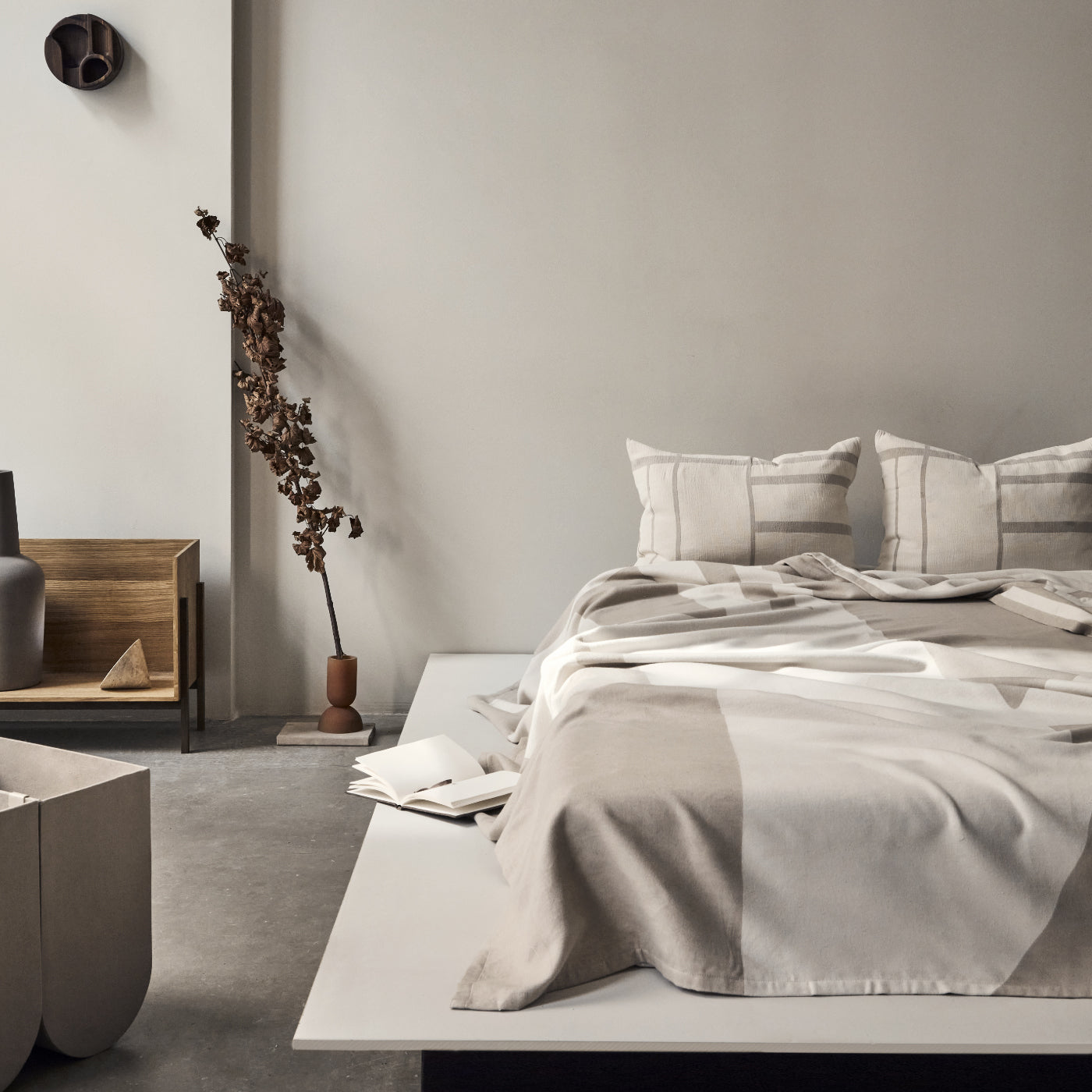
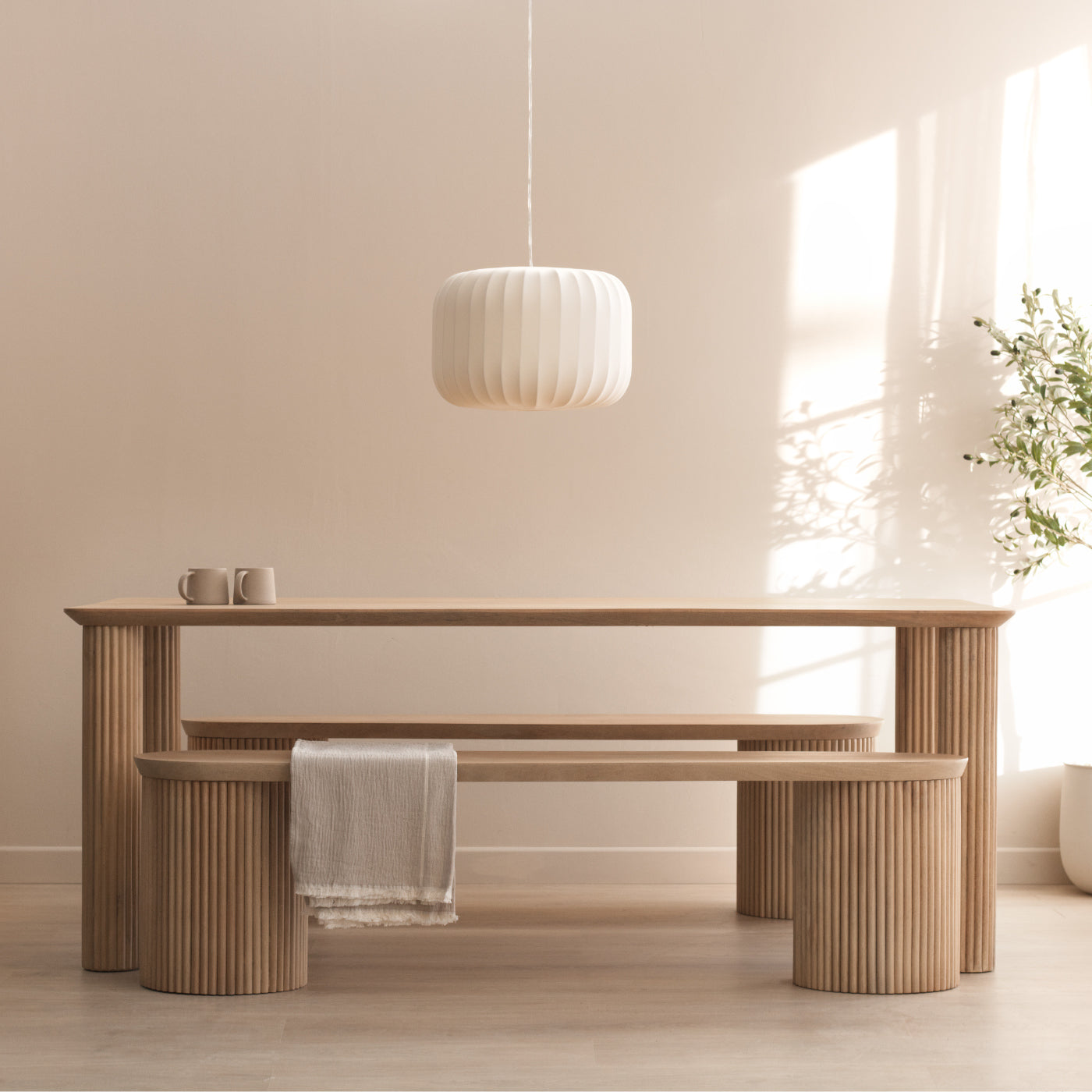
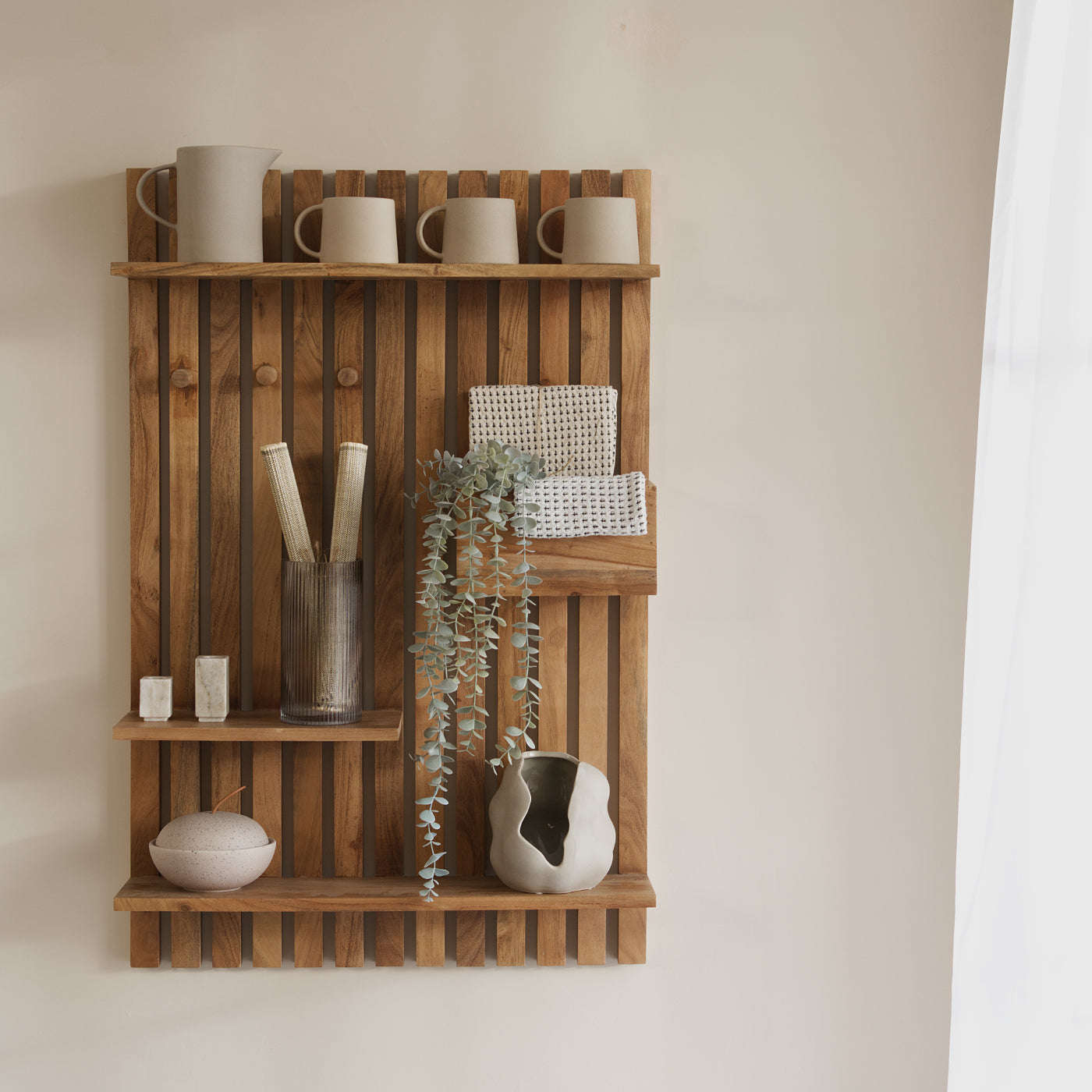



Is your home starting to feel a little too put together? Everything has its place, the lines are clean and the colours match, yet something feels off. Not wrong exactly just, missing. If you have ever craved a little more soul in your surroundings, a bit of irregularity to break up uniformity then wabi-sabi might well be exactly what you need.
Rooted firmly in traditional Japanese aesthetics, wabi-sabi invites a shift in perspective. It encourages us to embrace imperfections and accept the quiet beauty in what already is, from the crack in a bowl to a faded glaze. It's almost a way of seeing rather than styling, an appreciation for the worn, imperfect and quietly alive.
What is Wabi-Sabi?

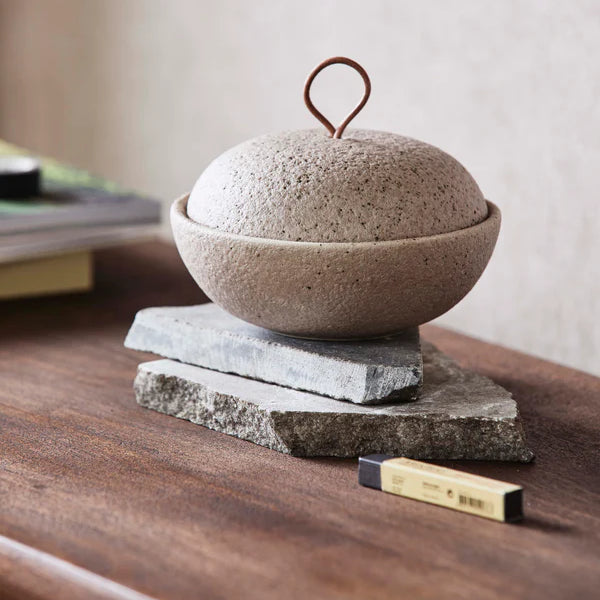
Wabi-sabi is all about noticing the quieter details, the ones that don't shout for attention yet somehow make a space feel more grounded. It's an aesthetic rooted in simplicity that teaches us to appreciate the objects that show their age, their use or even the hand that made them, through uneven finishes, soft textures or the pieces that are just a little off centre.
In the context of home styling you'll often find wabi-sabi expressed through asymmetry, earthy textures, muted tones and natural materials. Its not about creating a flawless look but rather choosing pieces that invite a different rhythm into a space, ones that favour lived in character and that gives a space a more authentic and tactile feel.
Bringing Wabi-Sabi into Your Home With Ceramics

If you're curious about wabi-sabi but not sure where to begin with introducing it into your home, ceramics are a gentle and approachable place to start. They naturally carry many of the aesthetic values, softness, imperfections, texture and that visible connection to the makers hand. Whether its a mug that you use every day or a vase quietly existing on a shelf, its pieces like this that encourage us to notice the small details and imperfections.
-
How to Style Wabi-Sabi Ceramics at Home
Start with one or two handmade pieces, a mug, bowl or vase etc, and let them settle naturally into your space. Avoid over styling, group a few objects with varied shapes, sizes or finishes and leave breathing space around them. Soft edges, uneven glazes and subtle colour shifts help add texture and interest. Let asymmetry guide your placement within a space and embrace the charm of things being off centre.
-
Where to Find the Right Pieces
Look for ceramics that feel personal rather than polished and perfect. Studio potters, local makers and secondhand shops are great places to start. Seek out the pieces that have a sense of touch, a thumbprint in the glaze, an uneven rim or a surface that has aged over time. Focus less on selecting pieces that match but rather ones that feel good to hold and use. Below is a list of our top 4 producers of wabi-sabi ceramics in the UK:
art-laboratory - Bespoke wabi-sabi ceramics.
OOAK Creation - Handmade, one of a kind ceramics.
Lorna Gilbert Ceramics - Handmade ceramics inspired by the Yorkshire countryside.
Klayhouse Studio - Handmade ceramics based in Cornwall.
Modern Wabi-Sabi Ceramics

Modern wabi-sabi isn't about recreating a traditional Japanese interior but rather about finding ways to bring the same values into the way we live now. As we know its an approach that celebrates imperfection, usefulness and quiet beauty, particularly in the things we touch and use every day. Ceramics are one of the simplest and most effective ways to introduce this mindset into the home.
As mentioned in the previous chapter, you don't need a full collection just a few initial pieces to start shifting the tone of a space. Below are a few modern wabi-sabi ceramic ideas to help you get started:
Hand-Thrown Stoneware Dinnerware
Everyday tableware is often one of the easiest places to start. A hand-thrown mug of plate, with their uneven rims or slightly irregular shapes encourage you to pause and appreciate both the form and function of a piece.
Look for UK based makers like Feldspar Studio (Devon), whose hand-thrown pieces are intentionally simple, with subtle variations that make each piece feel personal. Or Studio Yoki (Glasgow), who specialises in pinching clay and traditional hand building pottery methods.
Asymmetrical Serving Bowls
Asymmetry is at the core of wabi-sabi, and serving bowls that lean slightly or shift in shape bring a sense of movement or informality to the table. They're versatile too, just as at home on the dinner table as they are on an open shelf as a more decorative piece.
Second hand or antique shops, or even markets are ideal for sourcing individual pieces that can be combined to create a more visually appealing collection.
Everyday Objects with Soul
Wabi-sabi isn't just confined to the kitchen or dining room, often the most powerful changes can come from elevating overlooked objects, from vases to toothbrush holders, these unassuming pieces bring warmth and beauty to a space.
Handmade homewares can again be a perfect entry point into bringing wabi-sab into the home giving a solid base to build on.
Conclusion: Perfectly Imperfect Living

Photo by Annie Spratt on Unsplash
Wabi-Sabi ceramics aren’t about chasing trends, they’re about choosing pieces that make your home feel real and full of quiet character. From a hand-thrown mug that fits just right in your palm to a slightly uneven bowl that’s somehow perfect in its imperfection. It’s about taking the time to choose pieces that bring texture, warmth, and calm into your everyday routines.
They’ll never really scream for attention they simply exist in quiet harmony with the space around it and remind us that beauty doesn’t have to be flawless and that the things we use and love every day can hold just as much value as anything on display.
If your home could use a little more soul and a little less symmetry, start with a few beautifully imperfect pieces and embrace the beauty only time can bring.