
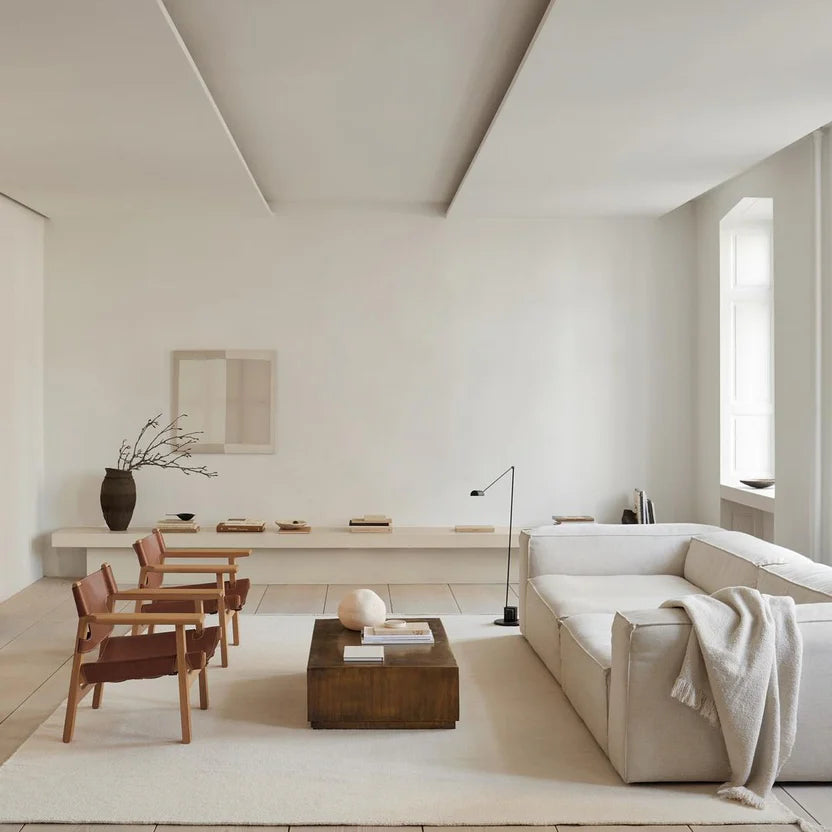


Not every piece of furniture has to stand tall to make an impact. Sometimes the most inviting spaces are the ones that draw you closer to the ground, where everything feels calmer and more relaxed. Low furniture has been used in homes for centuries, and today it continues to offer a sense of comfort, openness, and practicality that suits modern living.
In this guide, we’ll explore the benefits of low furniture, look at how it can shape different rooms, and share practical tips to help you choose the right pieces for your home.
Why Choose Low Furniture?

Photo by Spacejoy
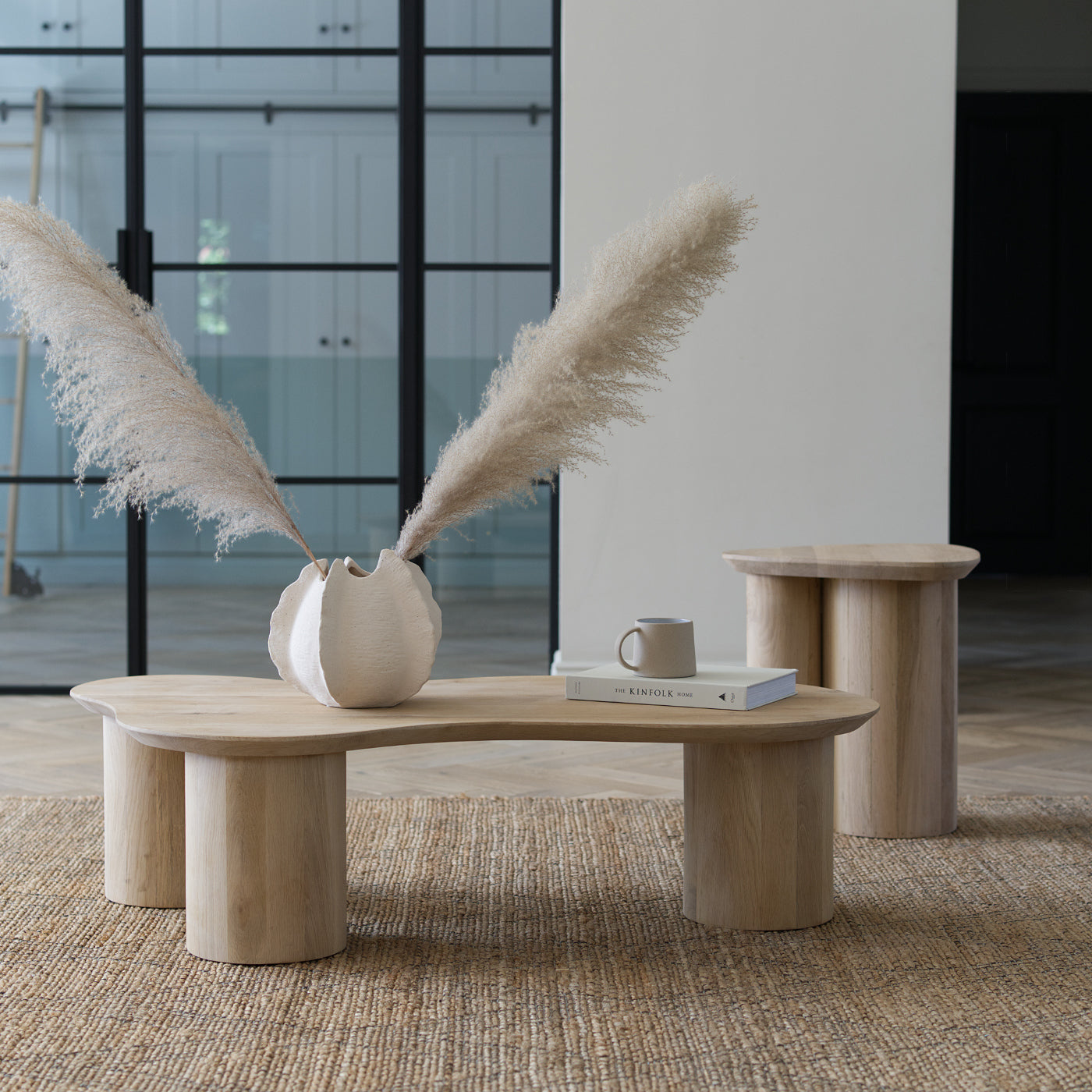
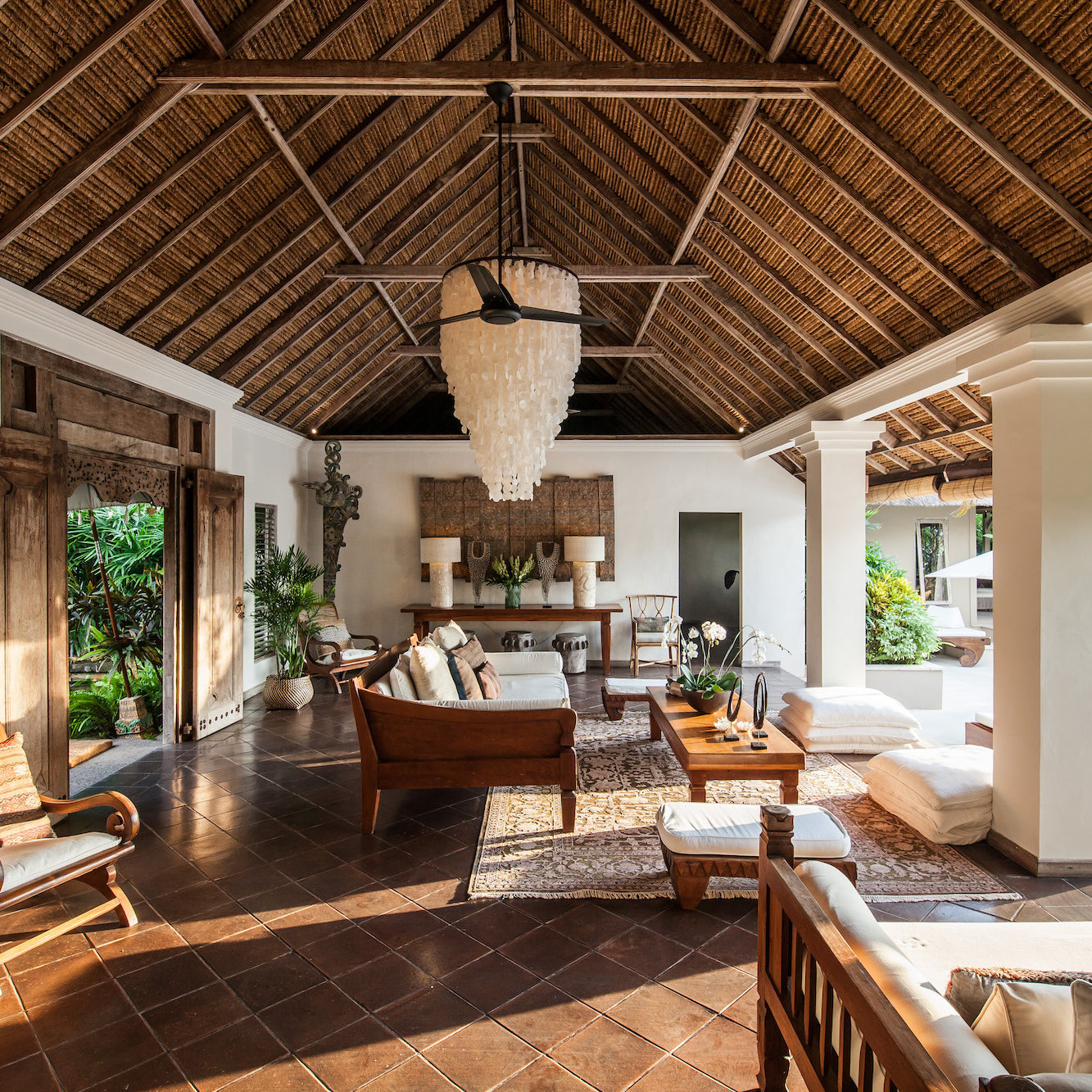
Low furniture refers to pieces designed with shorter profiles, like platform beds, floor-level sofas, and slim coffee tables. Rooted in traditions such as Japanese interiors, it has gained popularity in modern homes for the way it changes both the look and the use of a space.
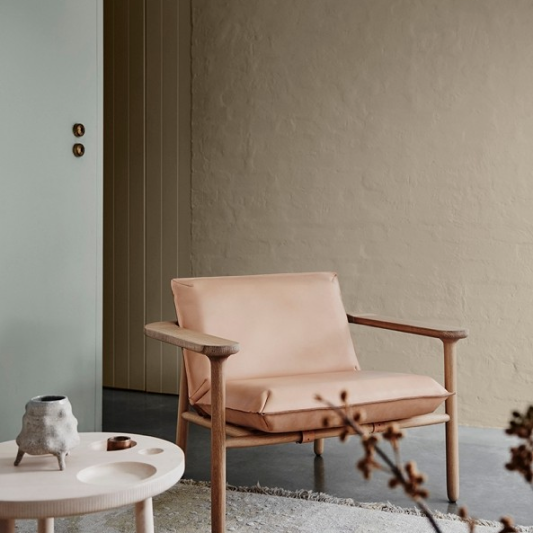
One of its main advantages is how it alters the perception of a room. Because low pieces sit beneath your eyeline, ceilings appear taller, and spaces feel more open. For example, a compact living room can feel larger with a low sofa and coffee table that don’t crowd the view, creating a cleaner and more balanced aesthetic.
Low furniture also has practical benefits for families. Sofas and chairs that sit close to the floor are safer and easier for children to climb onto. A low bed frame can be the ideal choice for toddlers moving from a cot, as the drop is minimal if they roll out during the night. In this way, low furniture combines safety and function with a modern, understated style.
Key Benefits of Living With Low Furniture

Beyond space saving and safety, low furniture offers other benefits that make it well suited to contemporary homes.
-
Creates a sense of openness
Low-profile designs allow sight lines to remain clear, which helps natural light travel through the space and highlights architectural features, artwork, or outdoor views.
-
Encourages comfort and relaxation
A platform bed brings a grounded, restful feel to the bedroom, while low seating in living spaces encourages a more relaxed atmosphere. It naturally supports casual gatherings, lounging, and flexible ways of living.
-
Adapts to multifunctional spaces
In homes where rooms serve more than one purpose, low furniture is especially versatile. A coffee table with floor cushions can double as a work surface during the day and a dining spot in the evening. A low bench in a hallway can serve as seating, storage, or a display surface depending on what’s needed.
How to Style Different Rooms With Low Furniture
Low furniture works in almost any room, but the approach changes depending on size and layout. A useful guideline is the 2:3 rule: keep furniture in proportion to its surroundings by aiming for pieces that are roughly two-thirds the height of walls or of the items they sit beside. This prevents the room from feeling either bottom-heavy or unbalanced.
Living Room

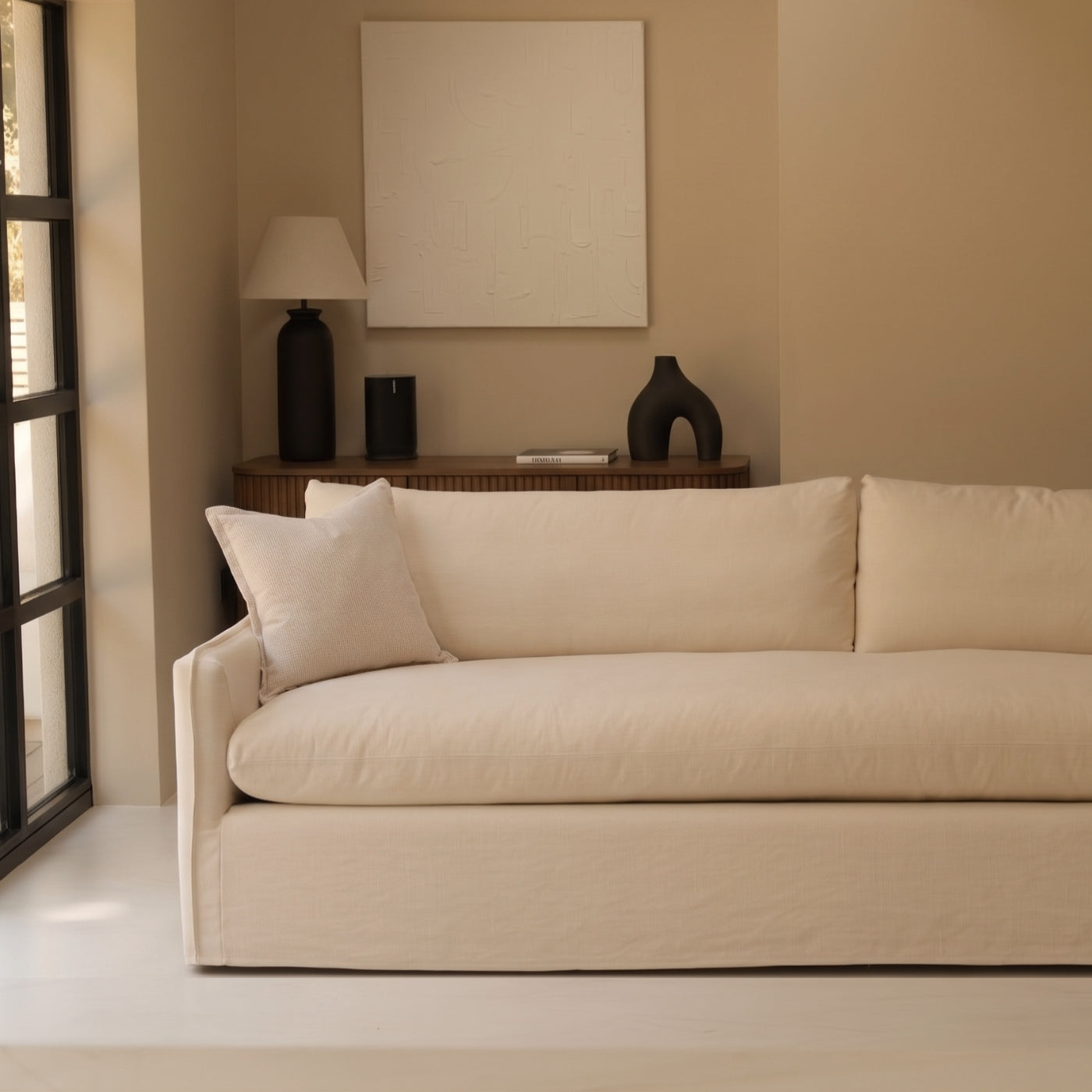
Smaller spaces: A low sofa with a slim coffee table keeps the room light and uncluttered. Add floor cushions or a compact low armchair for extra seating and consider nesting tables that can be stored away when not in use.
Larger spaces: A wide low sectional helps anchor an open-plan layout without blocking sight lines. To stay in proportion, pair it with a rug that covers about two-thirds of the seating area and a low-profile media unit. This ensures the space feels grounded without overwhelming it.
Bedroom

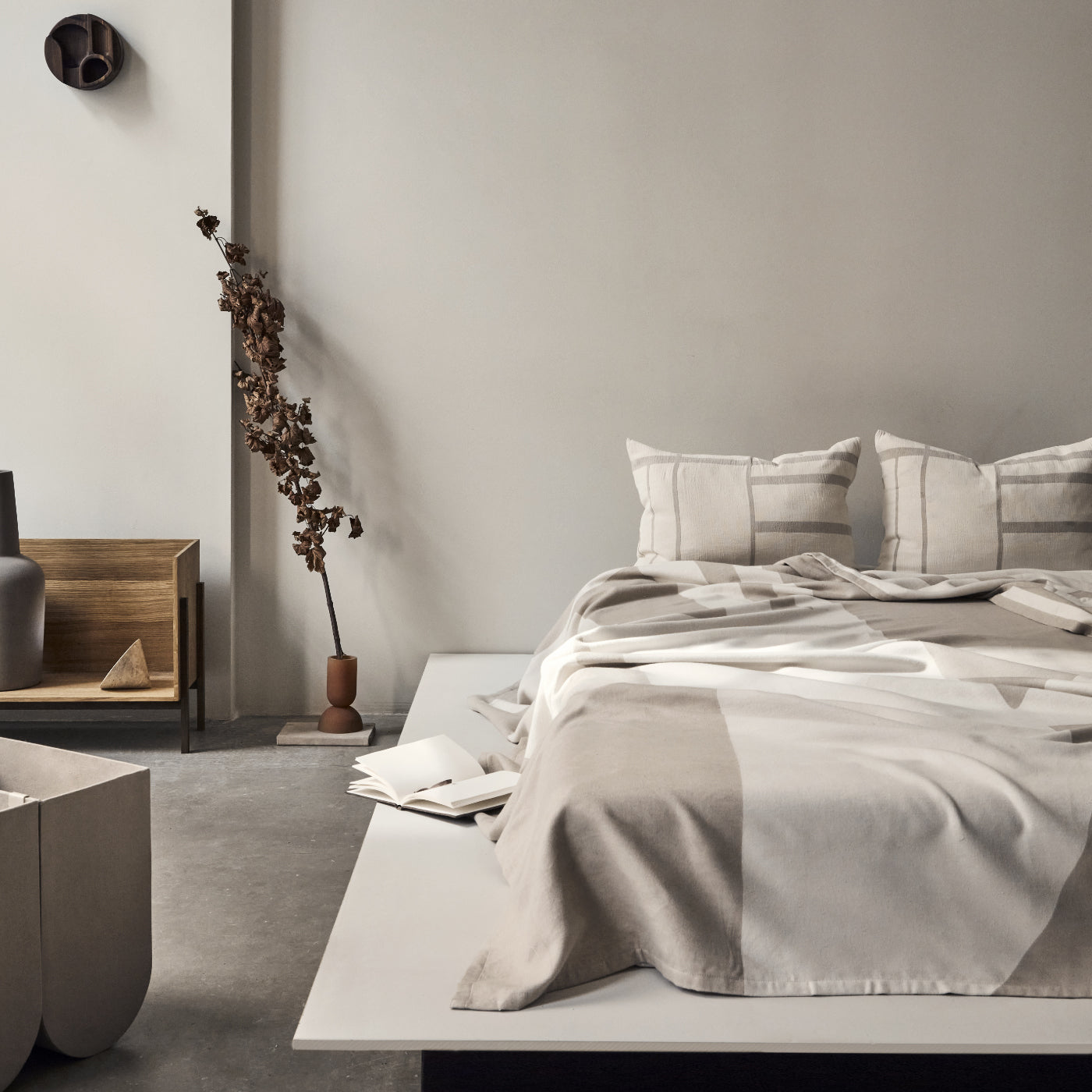
Smaller spaces: A platform bed frees up visual space, especially if it includes under-bed storage that reduces the need for bulky wardrobes or chests.
Larger spaces: A low bed frame balances tall ceilings and expansive walls by keeping sight lines consistent. Side tables should be around two-thirds the height of the mattress — for example, if the bed sits at 40 cm, side tables of 25–27 cm will feel proportional. Adding a low bench at the foot of the bed or slim shelving beneath a window provides function while maintaining balance.
Dining Area
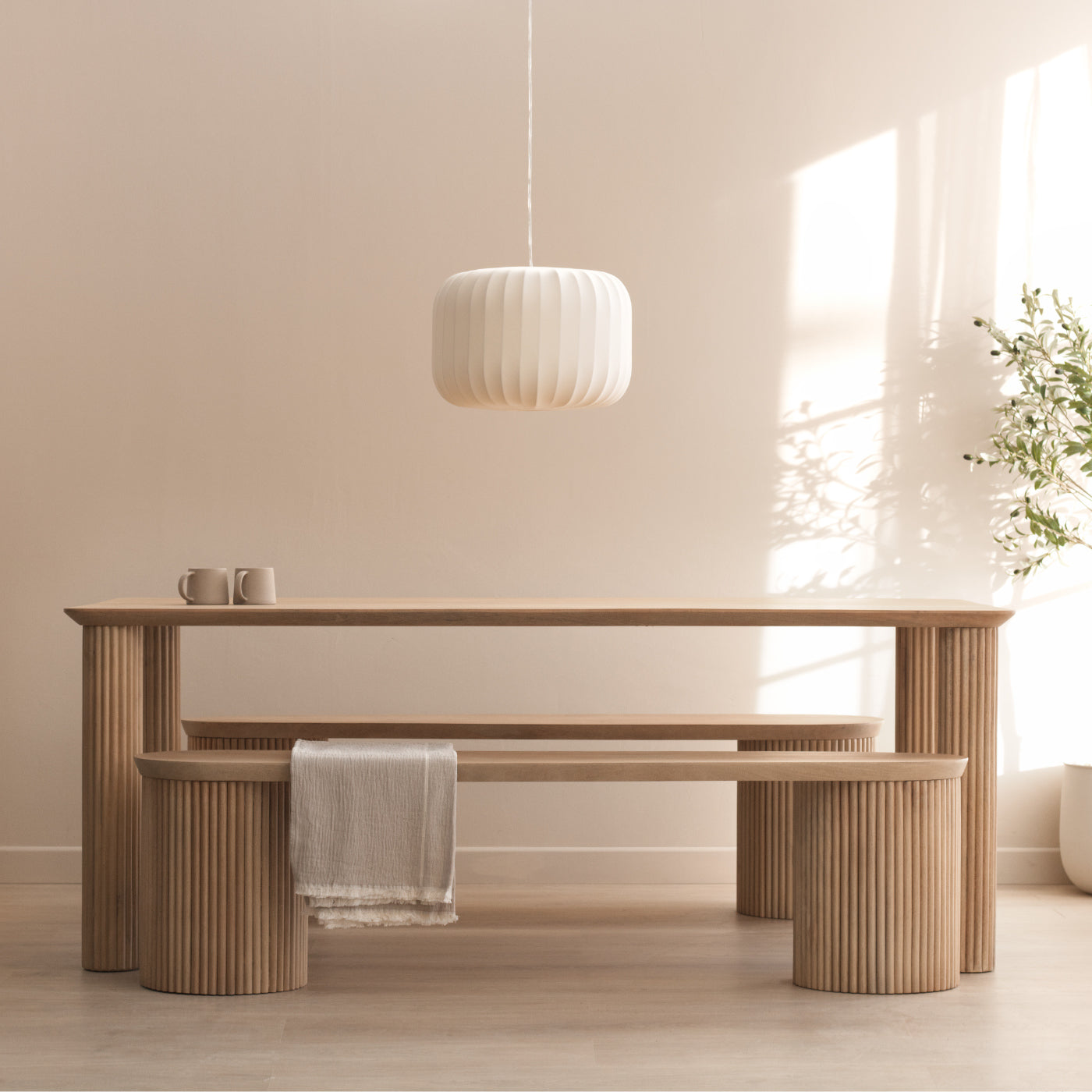
Smaller spaces: A low dining table with cushions or benches can shift easily from workspace to dining space. This flexibility saves room and allows for multiple uses without the need for extra furniture.
Larger spaces: A long low table in an open-plan kitchen or family room creates a relaxed contrast to a formal dining area. For comfort, keep seating around two-thirds the height of the table — for a 30 cm table, cushions or benches of about 18–20 cm are ideal. This ensures the setup feels deliberate and practical for daily use.
Outdoor Space

Smaller patios: Low loungers or a daybed provide comfort without blocking the view or making the area feel cramped.
Larger gardens: Built-in low benches along the edges of a terrace can define the space, while clusters of low chairs and tables create relaxed gathering points. Keeping seating proportionate to surrounding planters or walls prevents the space from feeling uneven.
Practical Tips for Choosing the Right Low Pieces

Measuring Your Space and Ceiling Height
Always measure before buying. In compact rooms, low furniture can make ceilings feel taller. In very high-ceilinged spaces, pair low furniture with artwork, shelves, or pendant lights to avoid an undersized look and keep vertical balance.
Balancing Proportions With Other Furniture
Think about how low furniture interacts with other elements in the room. A low sofa looks more intentional beneath a large piece of wall art or a long horizontal shelf. In bedrooms, a low bed feels anchored when paired with a rug that extends beyond its frame. Lighting is also key — wall sconces or pendants hung slightly lower than usual help draw the eye between levels.
Choosing Materials for Durability and Warmth
Low furniture naturally draws attention to surfaces close to the floor, so materials matter. Solid wood adds warmth and durability, while textured fabrics like linen, bouclé, or wool blends prevent pieces from looking flat when viewed from above. For dining tables or benches, choose finishes that can handle daily use, and opt for washable fabrics on cushions for easy upkeep.
Blending Low Pieces Into Existing Décor
You don’t need to overhaul a whole room at once. Start with one or two low pieces, like a TV unit, bench, or coffee table, and repeat existing materials or colours to help them blend in. Use accessories to create balance — for instance, a tall plant beside a low sofa or a floor-length mirror behind a bench adds vertical interest while keeping the look cohesive.
Low furniture has the power to change both how a room looks and how it feels. It can open up small spaces, bring calm to bedrooms, and add flexibility to multifunctional areas. By paying attention to proportion, choosing durable materials, and blending pieces thoughtfully into existing décor, you can create interiors that feel both practical and inviting.