

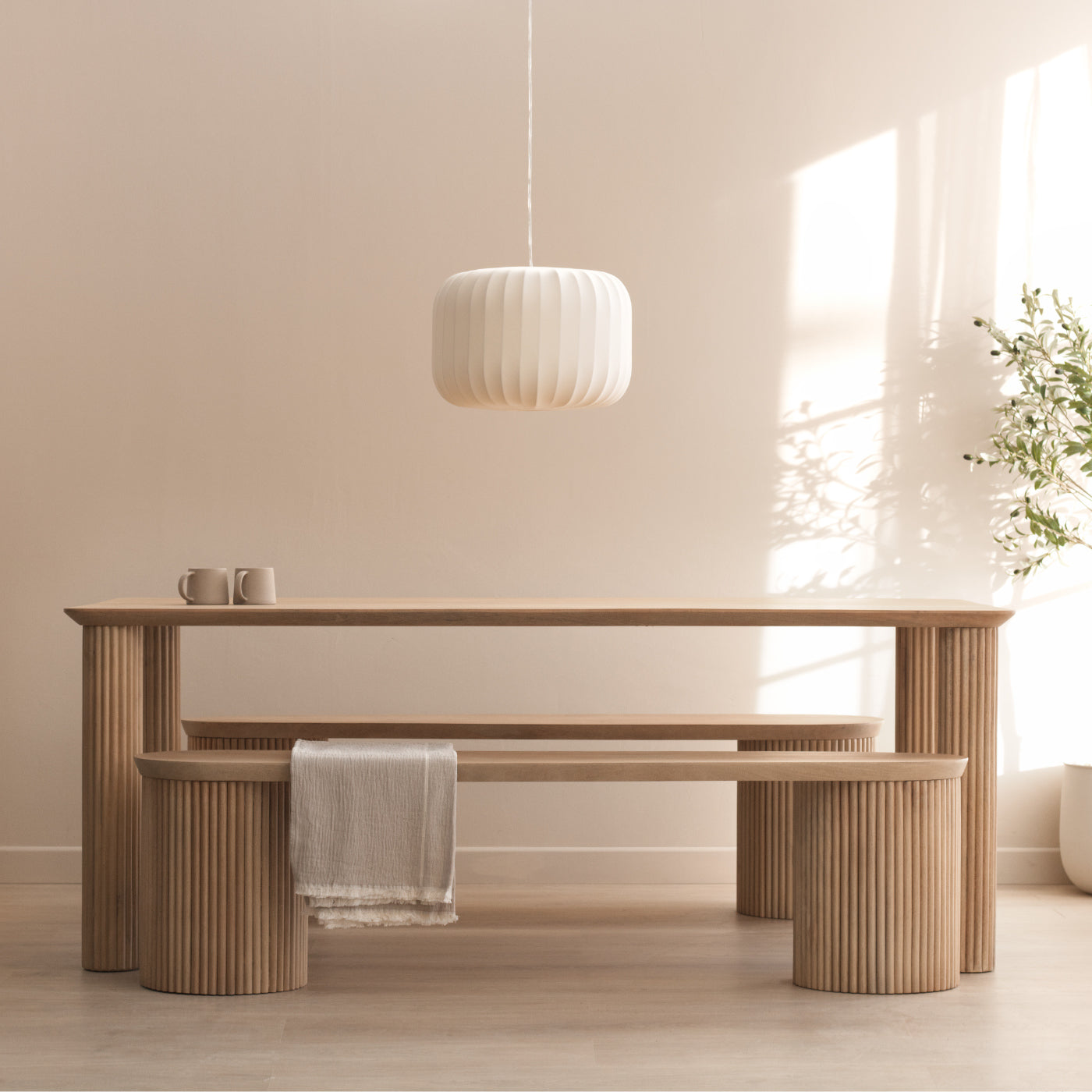
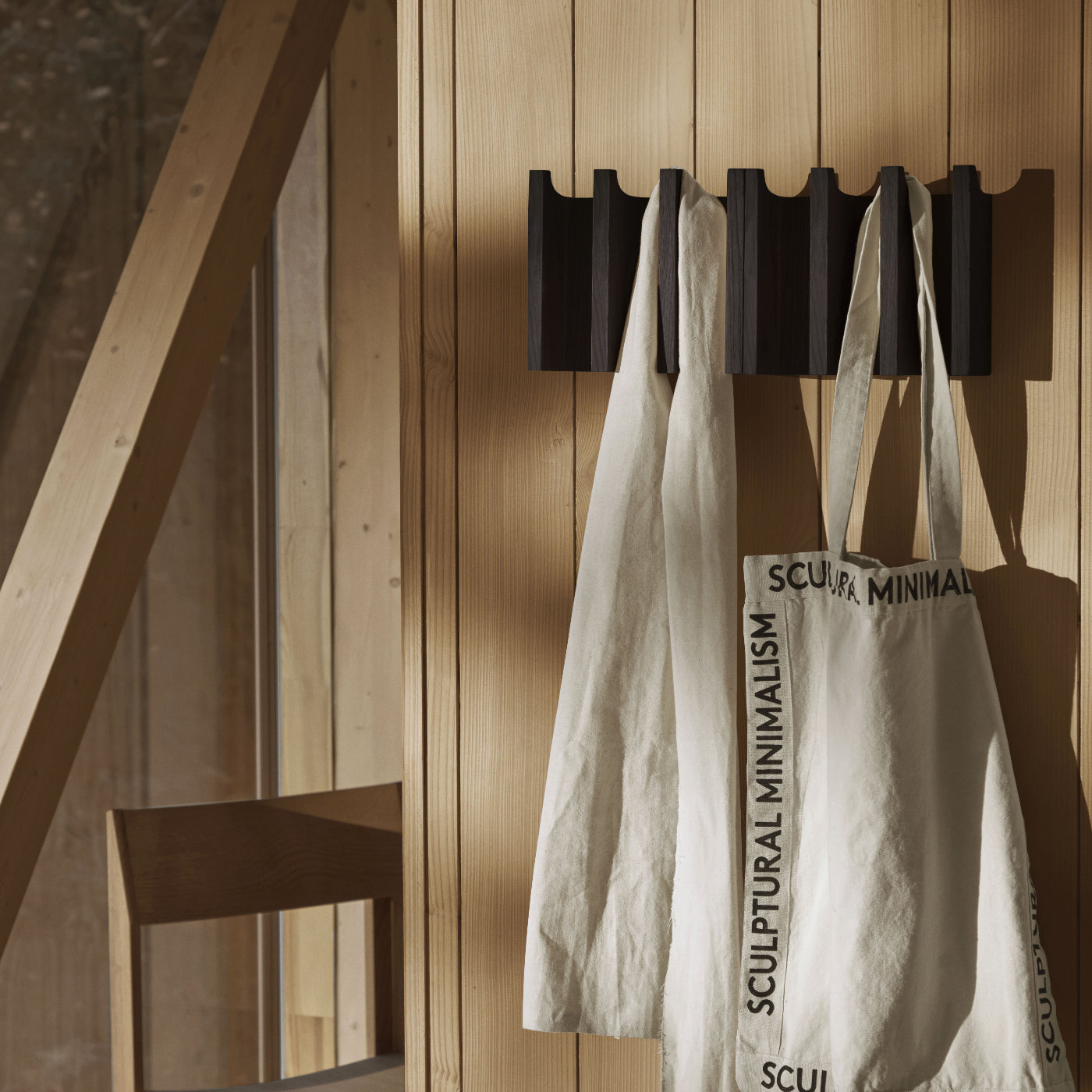
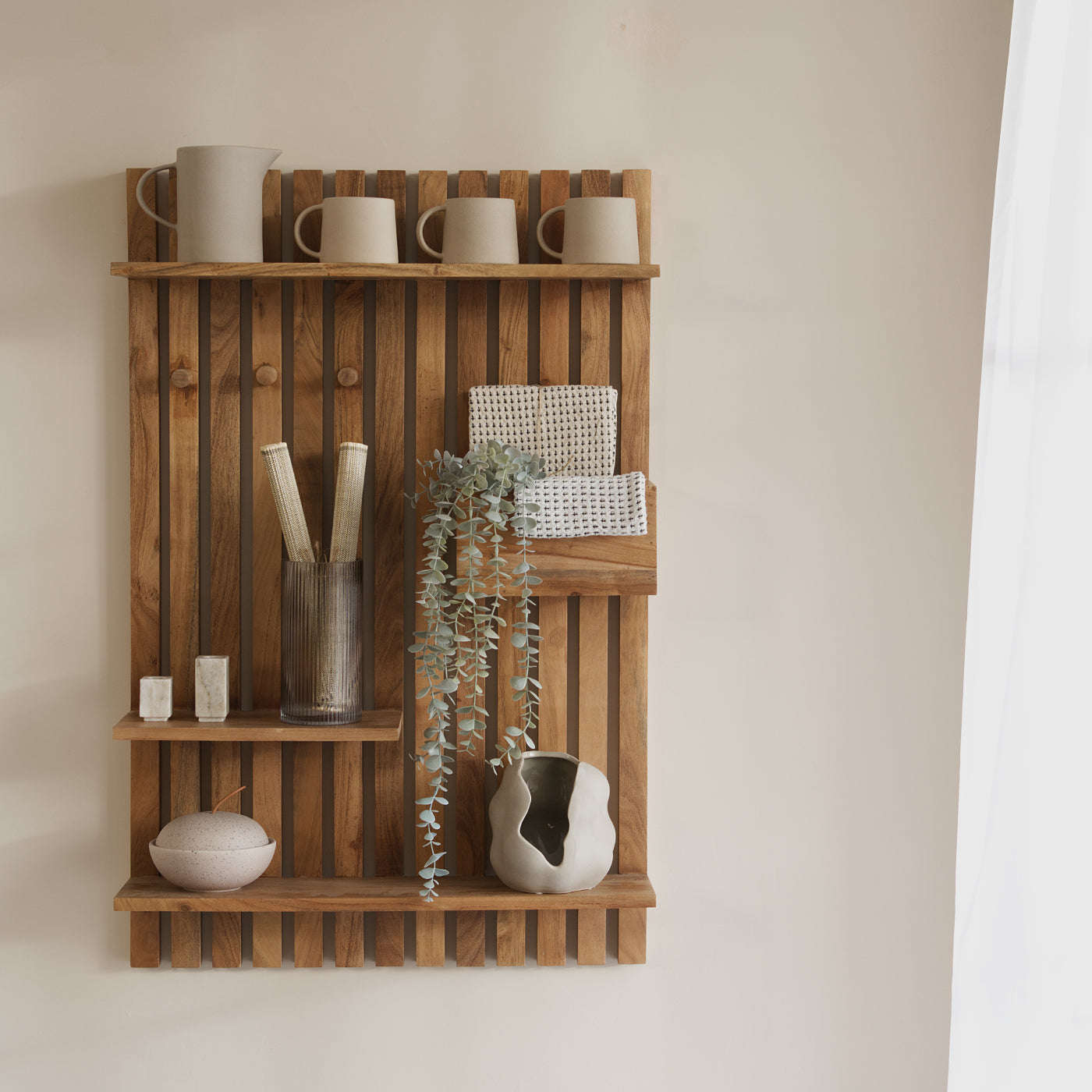
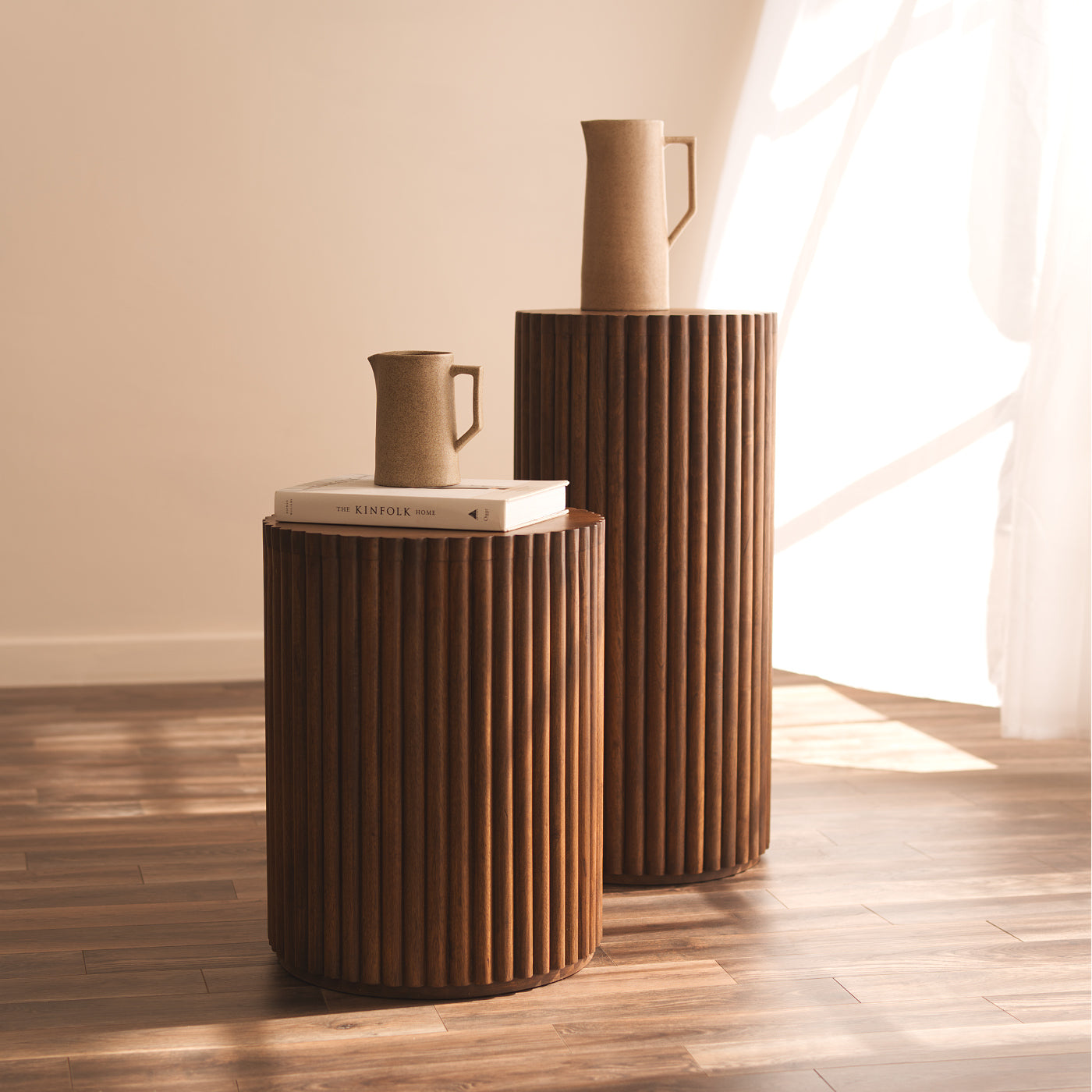

Our homes are more than just four walls and a roof, they’re our sanctuary, the place where we feel most at ease and can fully recharge. Yet for all the time we spend in our homes, how often do we stop to consider how much our surroundings influence our mood and mental health?
Research has shown that the way in which we design our living spaces, from the colours on the wall and the amount of natural light to the level of clutter, can profoundly impact how we feel. In this blog, we’ll explore how interior design and mental health are connected and share practical, achievable ways to create a peaceful, nurturing home.
The Hidden Conversation Between Space and Mental Health

It can be easy for us to forget that our environment plays a bigger role in determining our mood than we might realise. Certain elements within a room can act as subconscious stressors, from harsh lighting to cramped layouts, but by identifying these triggers you can create a more mentally forgiving environment. For example:
- Softened Lighting – Helps reduce eye strain and create a more soothing atmosphere.
- Clear Pathways – You can move more freely and reduce the feeling of being boxed in.
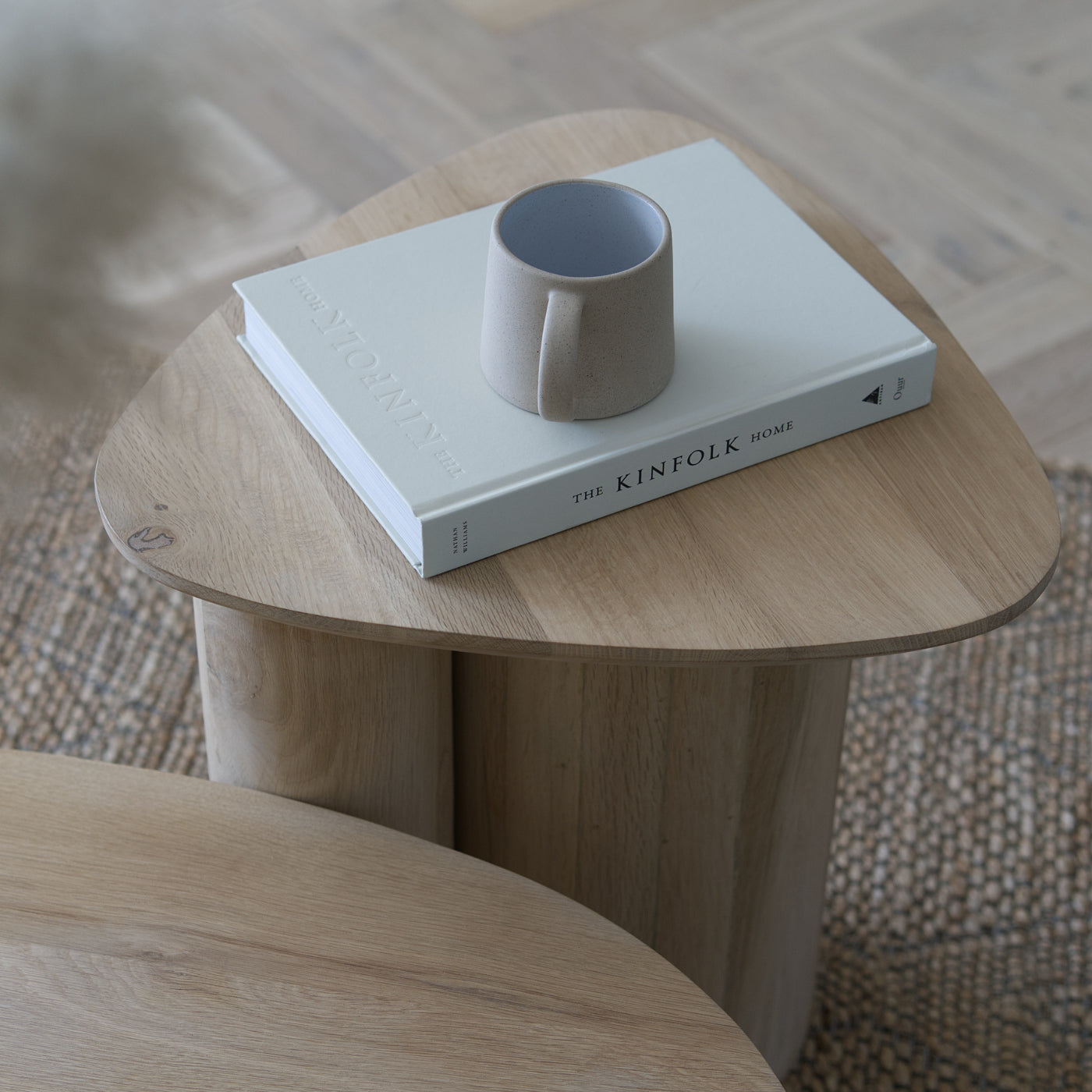
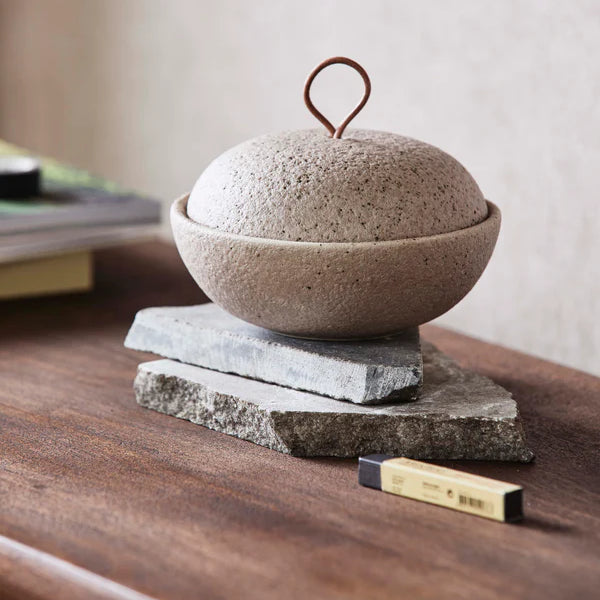
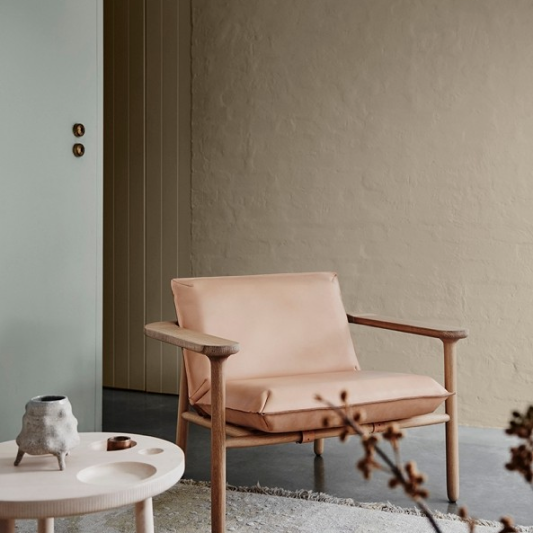
- Incorporate Natural Textures – Using natural elements such as wood, stone, linen and even plants bring a sense of warmth and comfort to the environment.
Why Colour, Light and Space Matter For Your Mood
Have you ever walked into a room and instantly felt more at ease, or perhaps strangely on edge? The colours around us, the amount of natural light and even how we choose to lay out a space can have a subliminal influence on how we feel. By simply making a few small but considered choices, we can transform how a space impacts our mood and mental wellbeing.
Colour: More Than Just Decoration

Light: The Unsung Hero
Natural light has an immeasurable effect on our mood and mental well-being, exposure to daylight helps regulate our circadian rhythms which governs our sleeping and wake cycles and boosts our brains ability to produce serotonin.
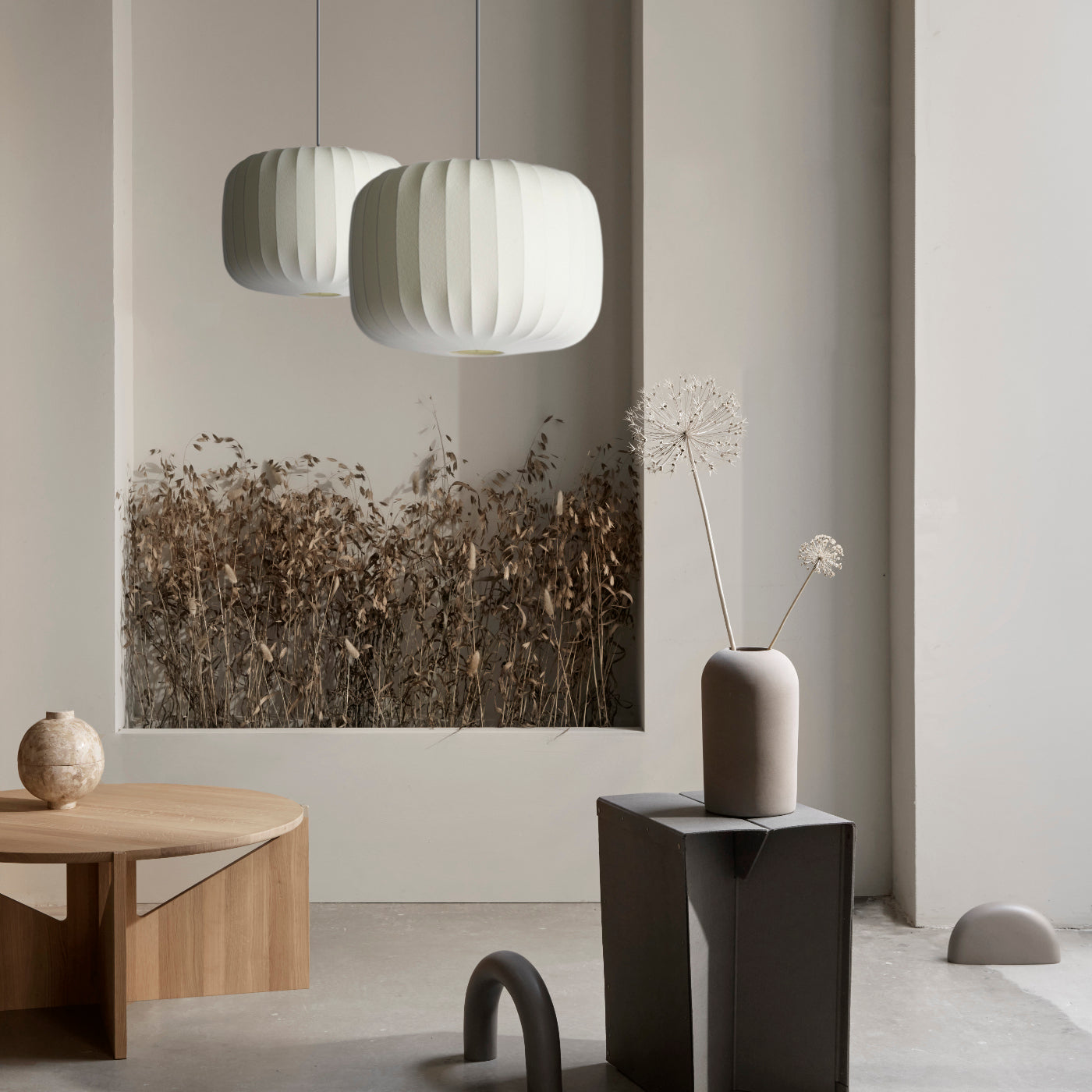
If your home is lacking natural light however, by making small changes to how you use artificial lighting you can still create a soothing ambiance. For example rather than relying on a fixed overhead light adopt multiple light sources throughout the room to make it more inviting.
Space: How We Move Through The Home Matters

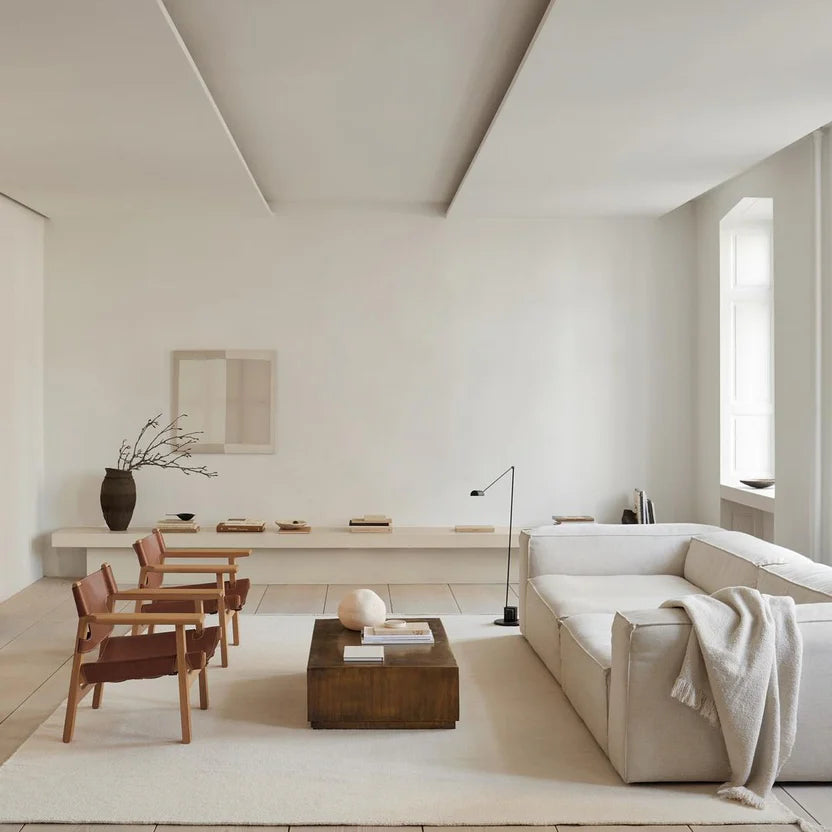
The way we arrange our furniture within a room will always have an impact on both the overall comfort within the space but more importantly our mental clarity, simply we don't necessarily need more room just a more mindful and considered layout.
Try the implementing the following tips to create a calmer more spacious environment:
-
Leave Breathing Room:
Don't feel the need to fill every corner - create pockets of empty space to let the room breath. -
Float Furniture Where Possible:
Pull sofas, chairs etc away from the walls to improve flow reduce feelings of being boxed in. -
Keep Walkways Clear:
Ensure it is easy to move around the room as smooth movements can help reduce stress. -
Use Negative Space With Intention:
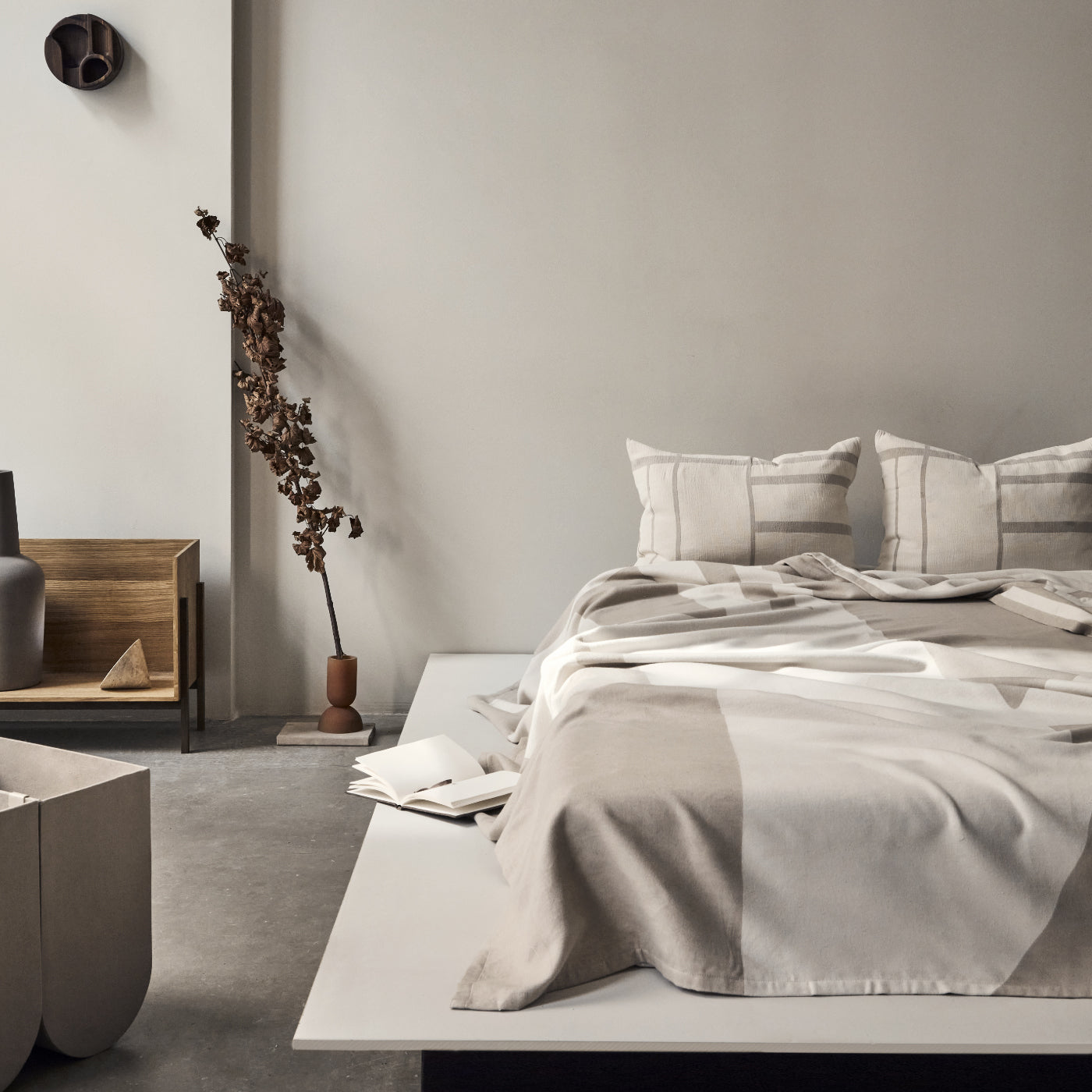
By balancing busier areas with open ones it gives they eye chance to rest, and helps reduce mental strain.
Bringing Nature Indoors: Biophilic Design For Peace of Mind

Humans as a species have always had an innate need to connect with nature, a concept known as biophilia, this connection helps us reduce stress and foster a sense of calm and well-being. The irony is however that modern life sees us spend most of our time indoors, disconnected from nature.
Biophilic design is the practise of bringing elements of nature into a living space to recreate that connection and boost our mental health. Even just small touches of greenery, natural textures and forms can have a noticeable impact on our state of mind and our mood day to day.
Why Nature Boosts Our Mood
Research has shown that interacting with nature, even just looking at plants or natural scenes can reduce blood pressure, lower anxiety and boost our mood. Plants also bring a sense of life into a space and can help improve air quality.
A couple of examples of studies and articles regarding this can be found at the bottom of this blog, and may be of interest.
Easy Ways to Incorporate Nature Into Your Home

Bringing nature indoors is one of the simplest and most effective ways to boost your mood, reduce stress and crate a calming environment. Here are some practical and low-effort ways to bring this concept into your home:
-
Add Indoor Plants:
Houseplants have been proven to improve air quality, which can obviously have a positive impact on both our physical and mental health. Try low-maintenance options like Photos, Snake Plants or Peace Lilies.
-
Let in Natural Light:
As simple as it sounds, open curtains during the day and keep windows clear of obstructions, as mentioned before natural light helps regulate your circadian rhythm and supports mental clarity.
-
Use Natural Materials:
Choose wood, stone, jute, rattan or linen in your furniture and accessories, as these textures add warmth and created a more grounded feel.
-
Incorporate Organic Shapes:
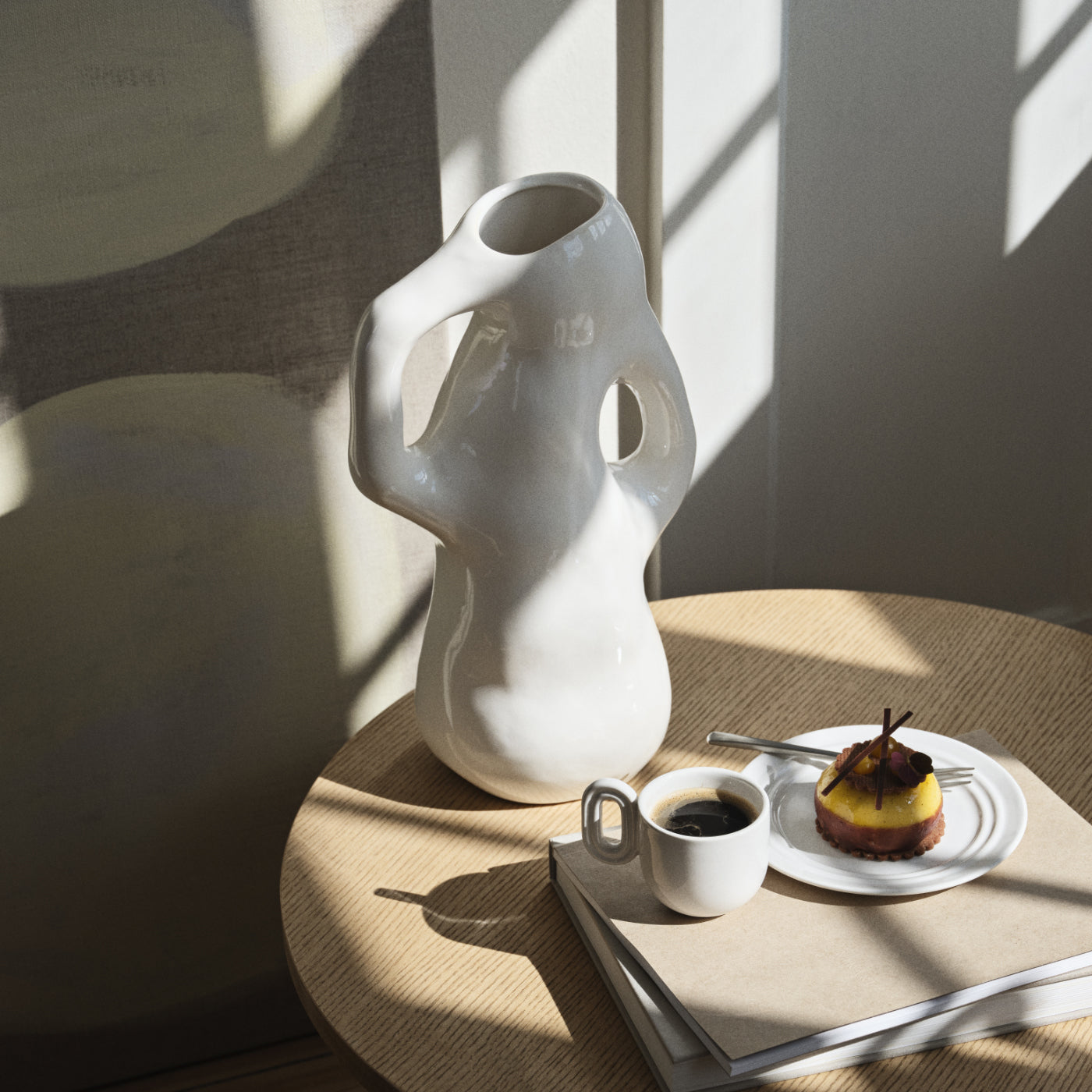
Look for furniture with soft, curved lines and use asymmetry to mimic natural forms.
In conclusion, creating a home that supports your mental health isn't about perfection. it's about making intentional and considered choices that help you fell grounded and at peace in your own space.
Additional Articles:
Nature: How connecting with nature benefits our mental health (Mental Health Foundation)
How even just 15 minutes in nature can boost your wellbeing (Loughborough University)
All of our blog posts are researched and handwritten in house here at Vaunt Design by industry experts.
