

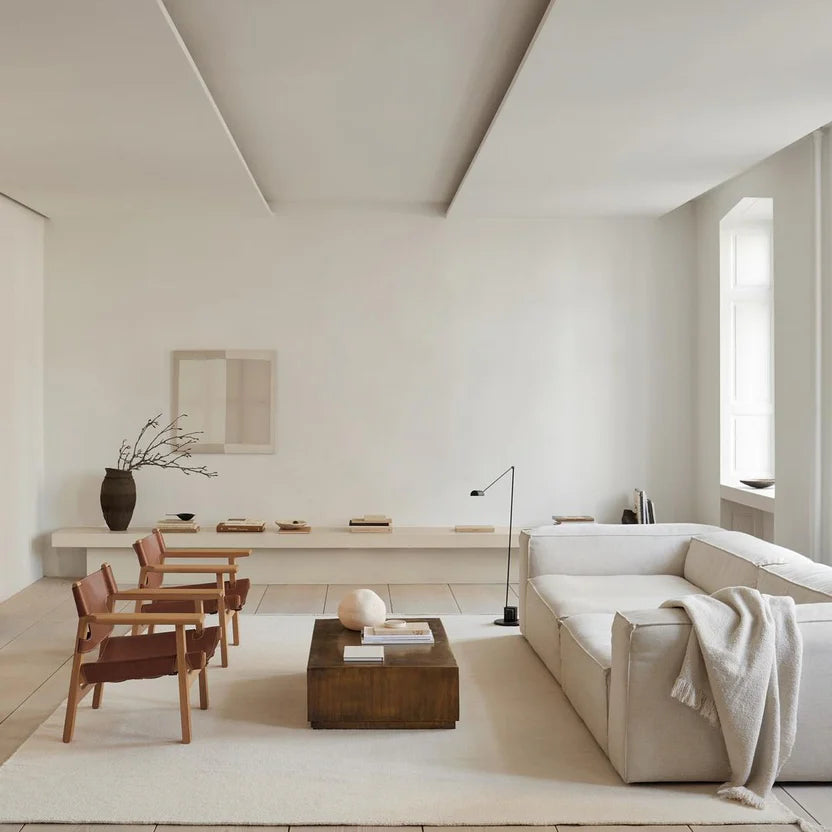

Traditional Scandinavian interiors have long been admired for their simplicity. White walls, clean lines, uncluttered spaces and an almost gallery-like sense of calm.
But what happens when that minimalism begins to feel a little too polished?
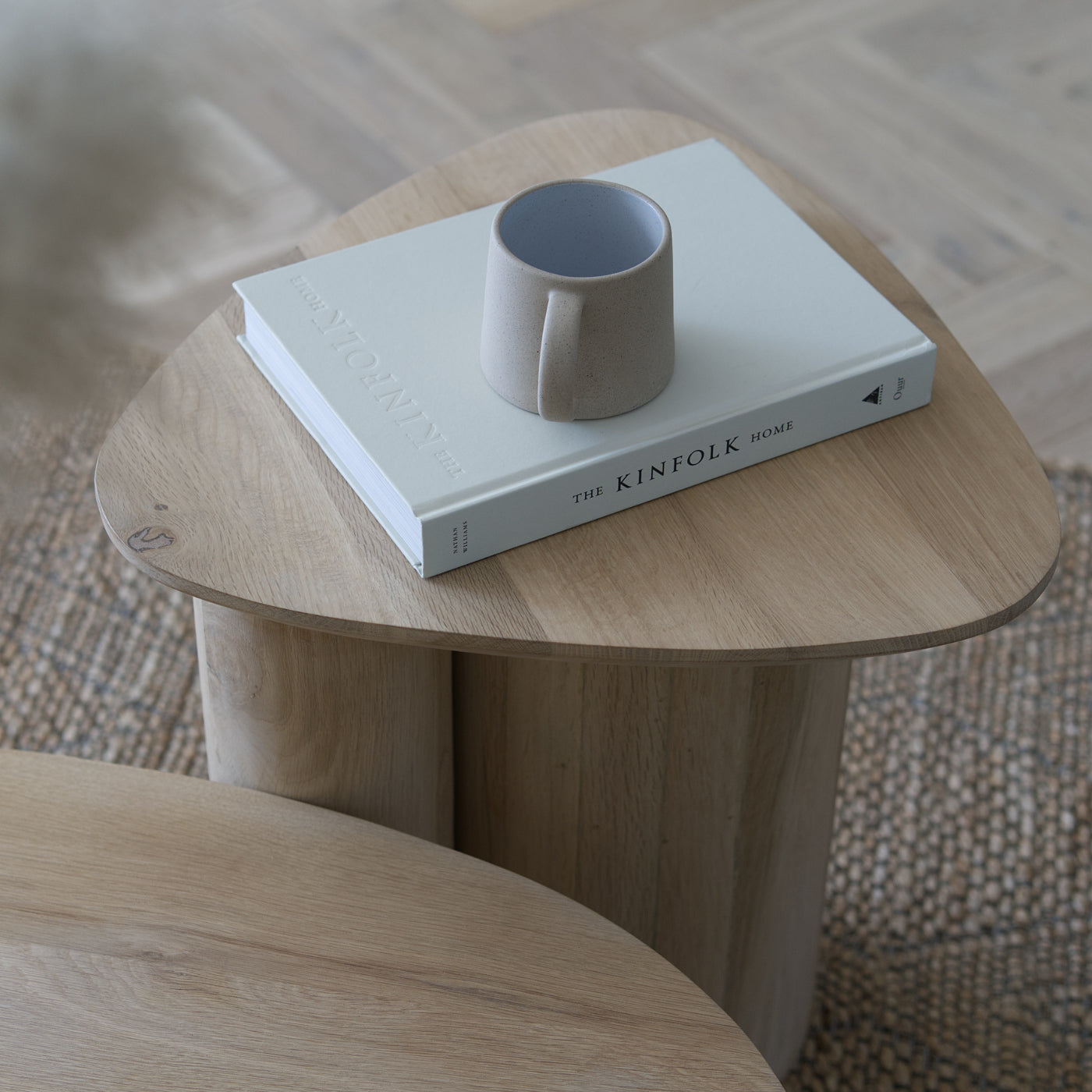
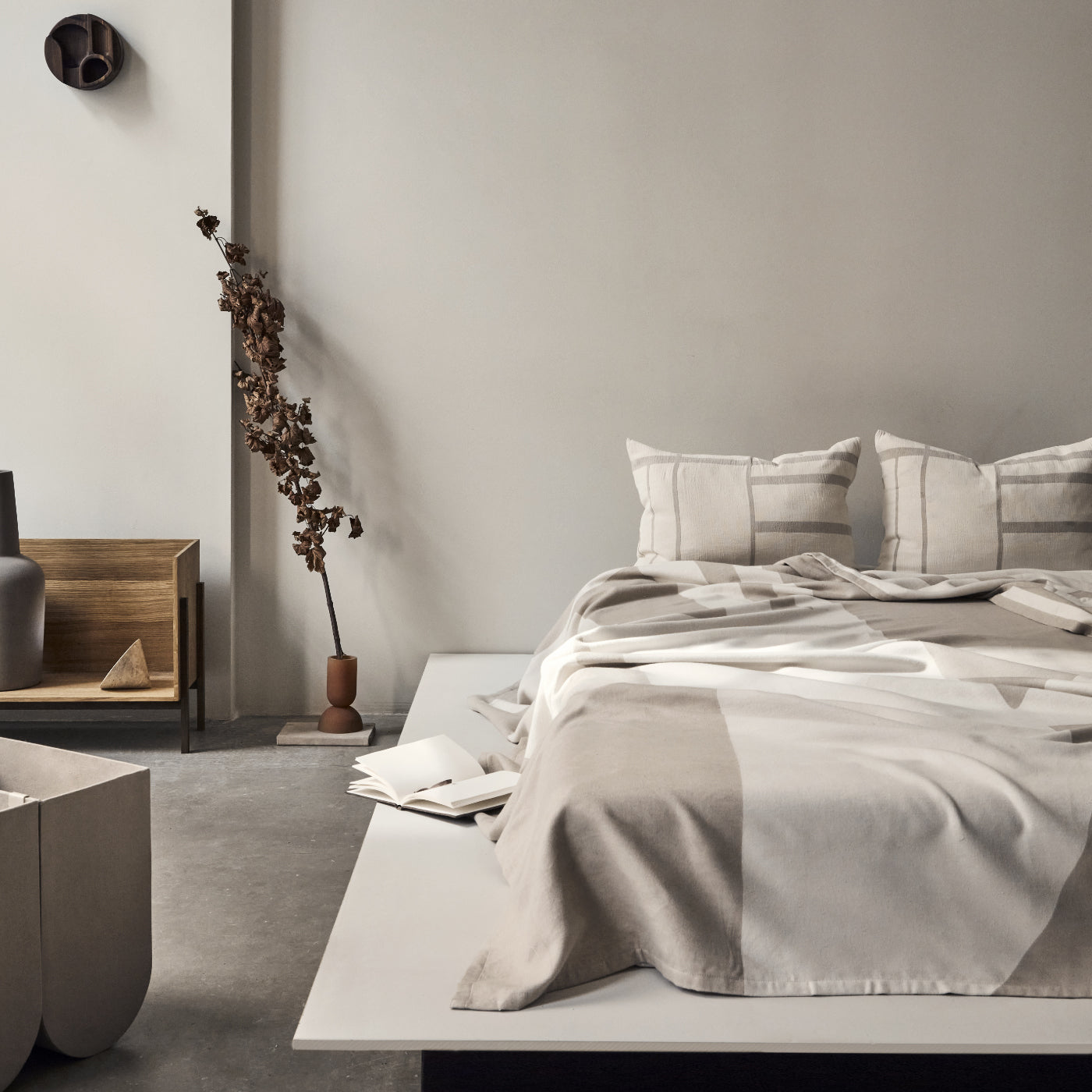
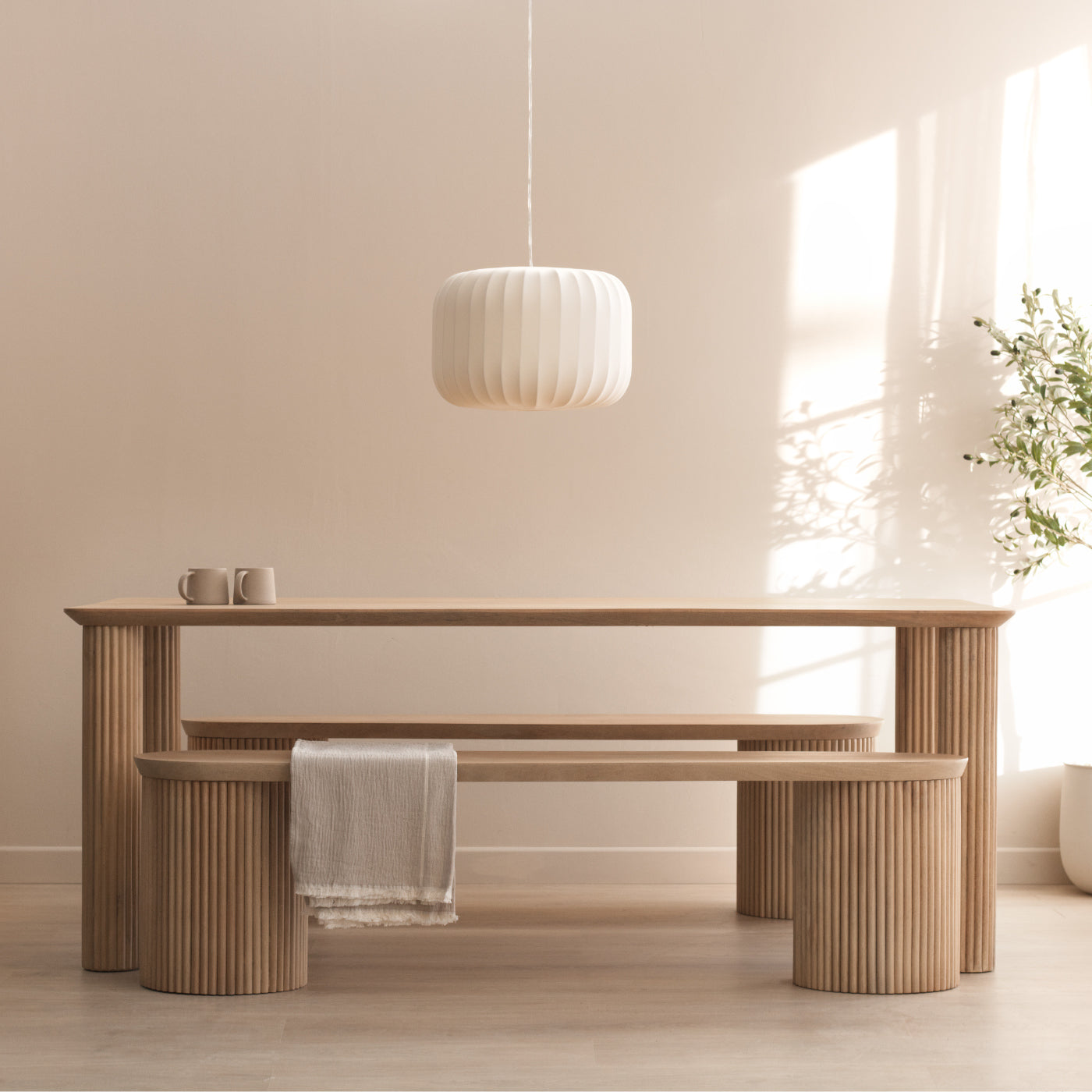
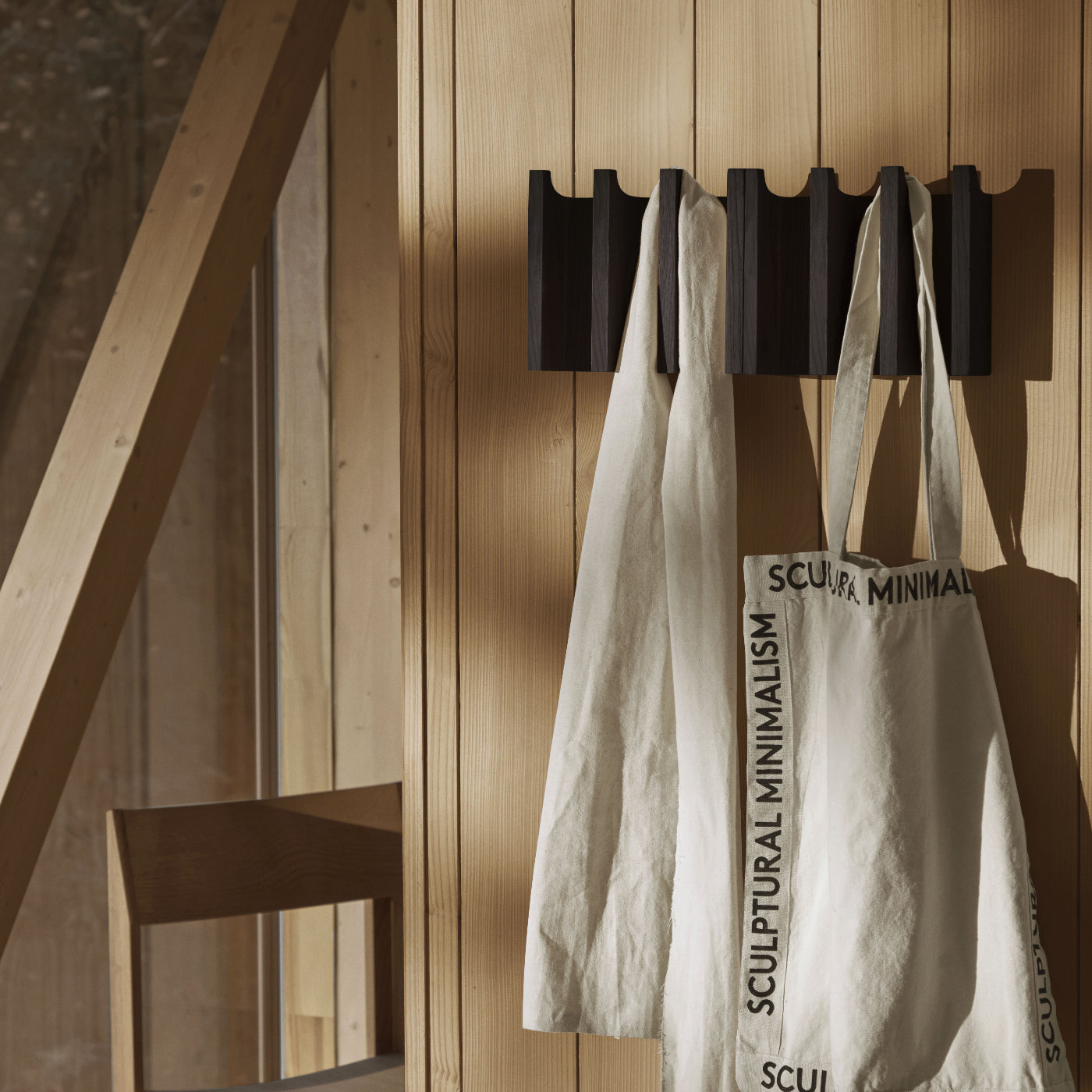
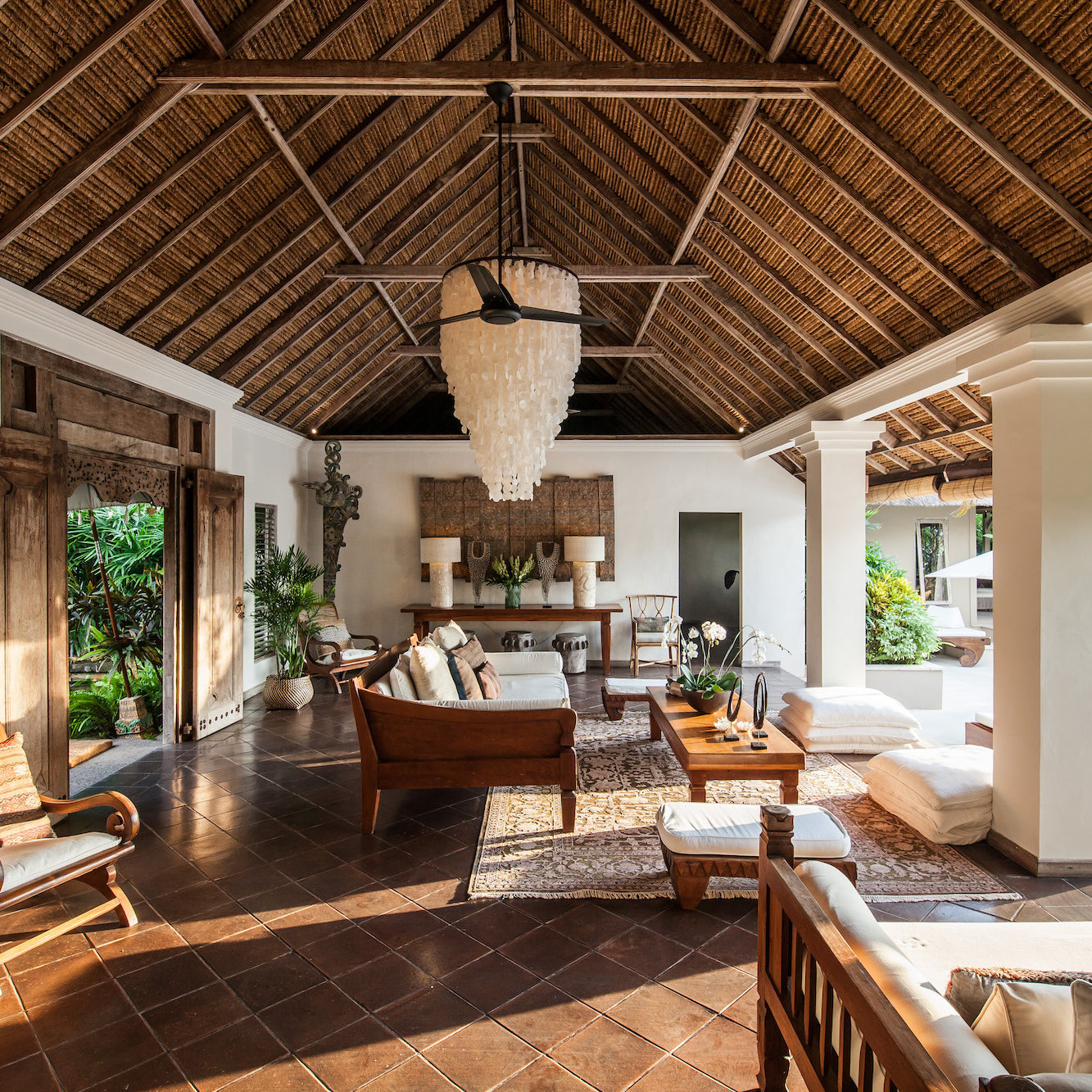
That’s where rustic Scandinavian design comes in. It keeps the restraint and functionality of classic Nordic interiors, but softens the edges with warmer tones, natural textures and materials that feel slightly more lived-in. Think weathered wood, aged metals, handmade ceramics and tactile finishes layered against crisp white backdrops.

Image credit: Kronfoto
A Softer Palette
Traditional Scandinavian kitchens lean heavily on bright whites and sharp contrasts. Rustic Scandi interiors still embrace light, but introduce warmer notes throughout the space.
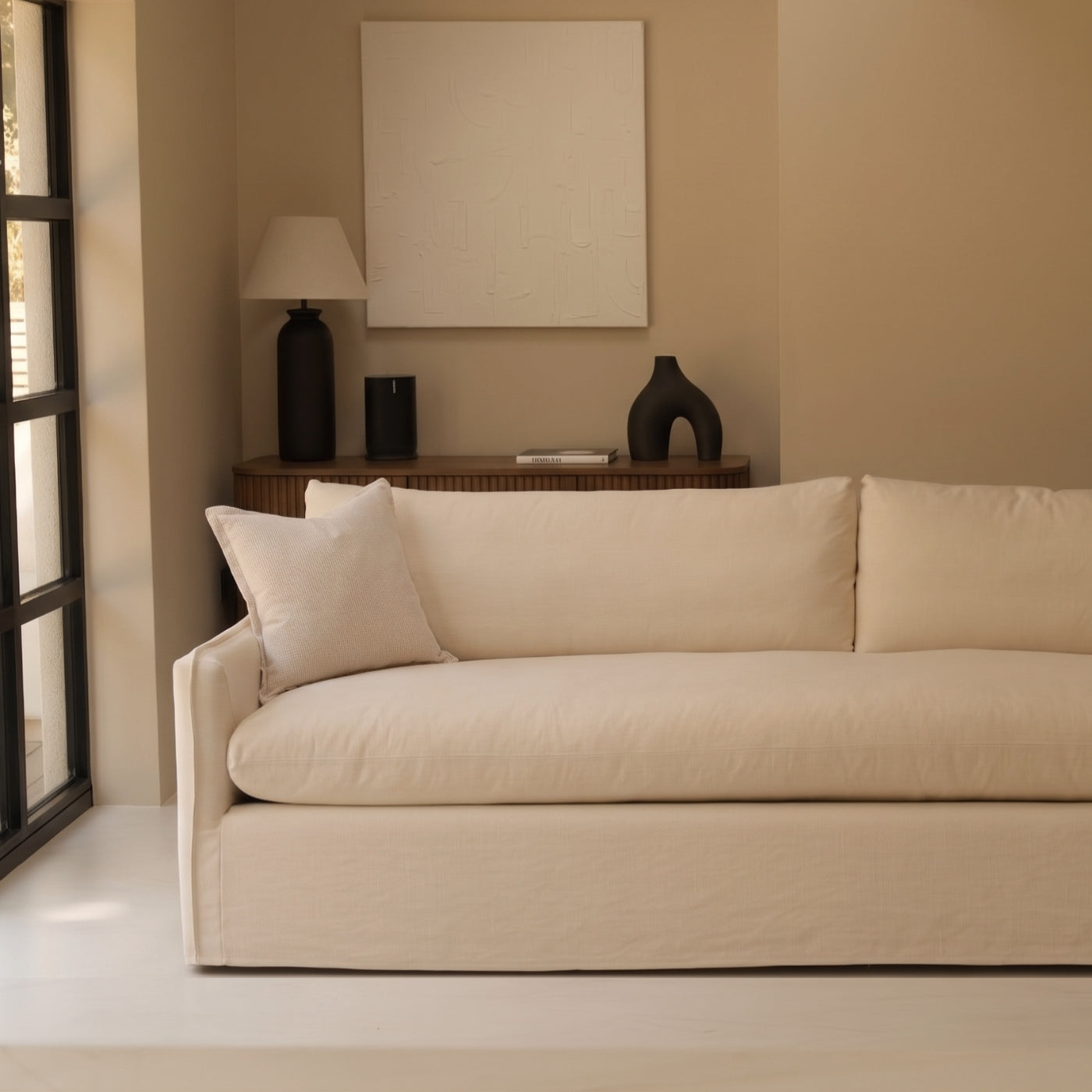
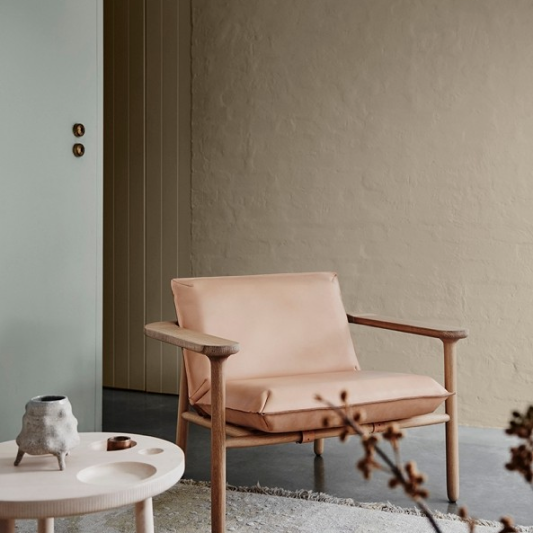
Distressed wood, sandy neutrals, earthy beige tones and subtle copper accents all help create a space that feels less clinical and more grounded. The beauty of the look lies in balance. Clean surfaces are important, but there’s more texture and variation woven through the room.

Let Lighting Add Character
Lighting plays a huge role in shaping the atmosphere of a rustic Scandinavian kitchen.
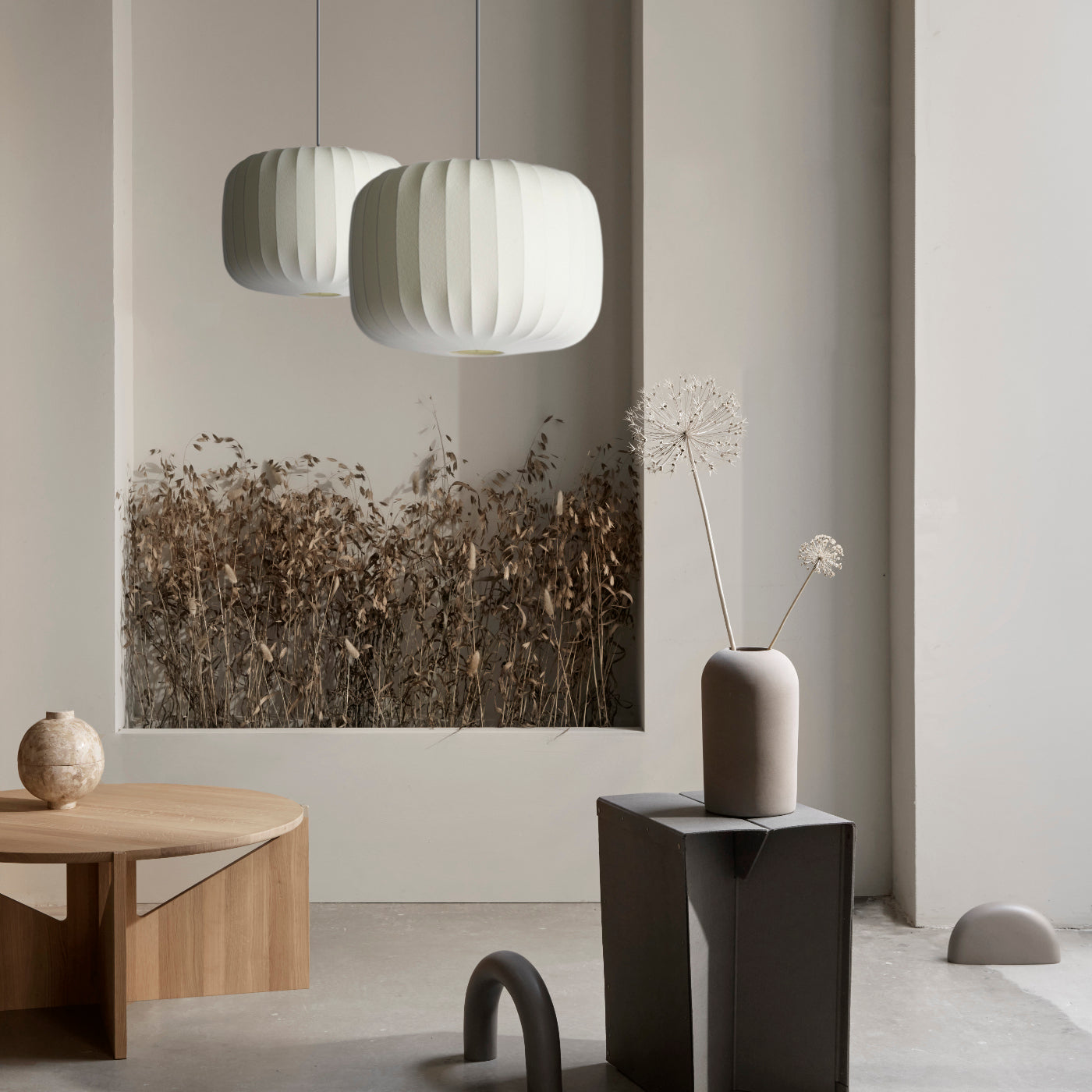
Where traditional Nordic interiors often favour sleek black-and-white fixtures, rustic variations open the door to woven rattan pendants, mesh lighting, concrete shades and aged metallic finishes. Handmade materials work especially well because their imperfections bring softness to otherwise streamlined spaces.


Open Shelving
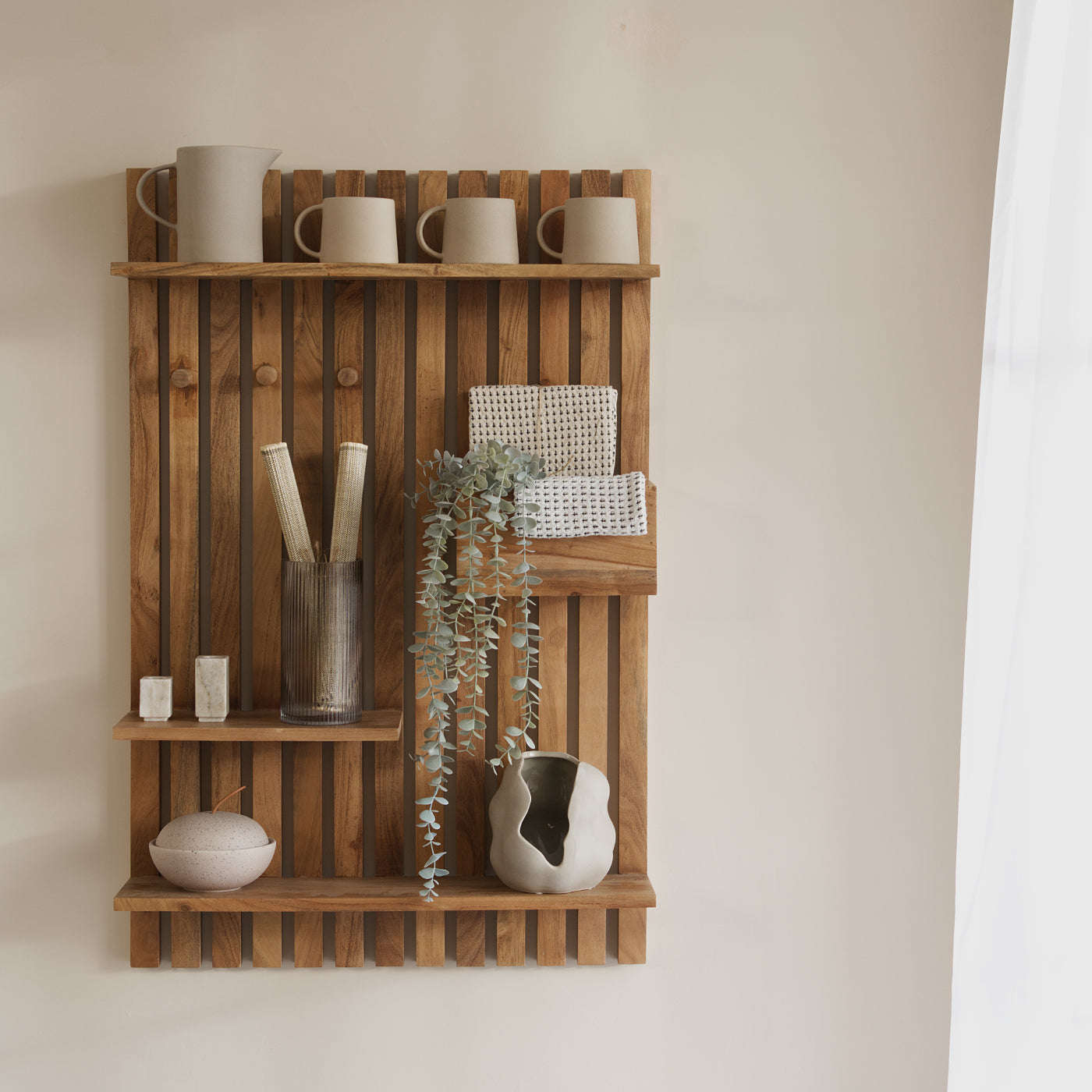
Open shelving is one of the easiest ways to introduce personality into a Scandinavian kitchen without losing the simplicity that defines the style.
Reclaimed timber, scaffold boards or lightly weathered wood shelving create contrast against cleaner cabinetry and allow everyday objects to become part of the room’s visual identity. Glass jars, ceramics, cookbooks and vintage pieces all contribute to a kitchen that feels collected rather than styled.

Image credit: jade.doutch
Industrial Influences
At first glance, industrial and Scandinavian interiors seem worlds apart. One is raw and heavy, the other restrained and minimal.
But when industrial elements are softened with natural materials and a lighter palette, the two styles begin to complement one another surprisingly well. Steel-framed shelving, industrial bar stools, oversized dining tables and metal accents all sit comfortably within rustic Scandinavian interiors when used sparingly.

Layer Materials
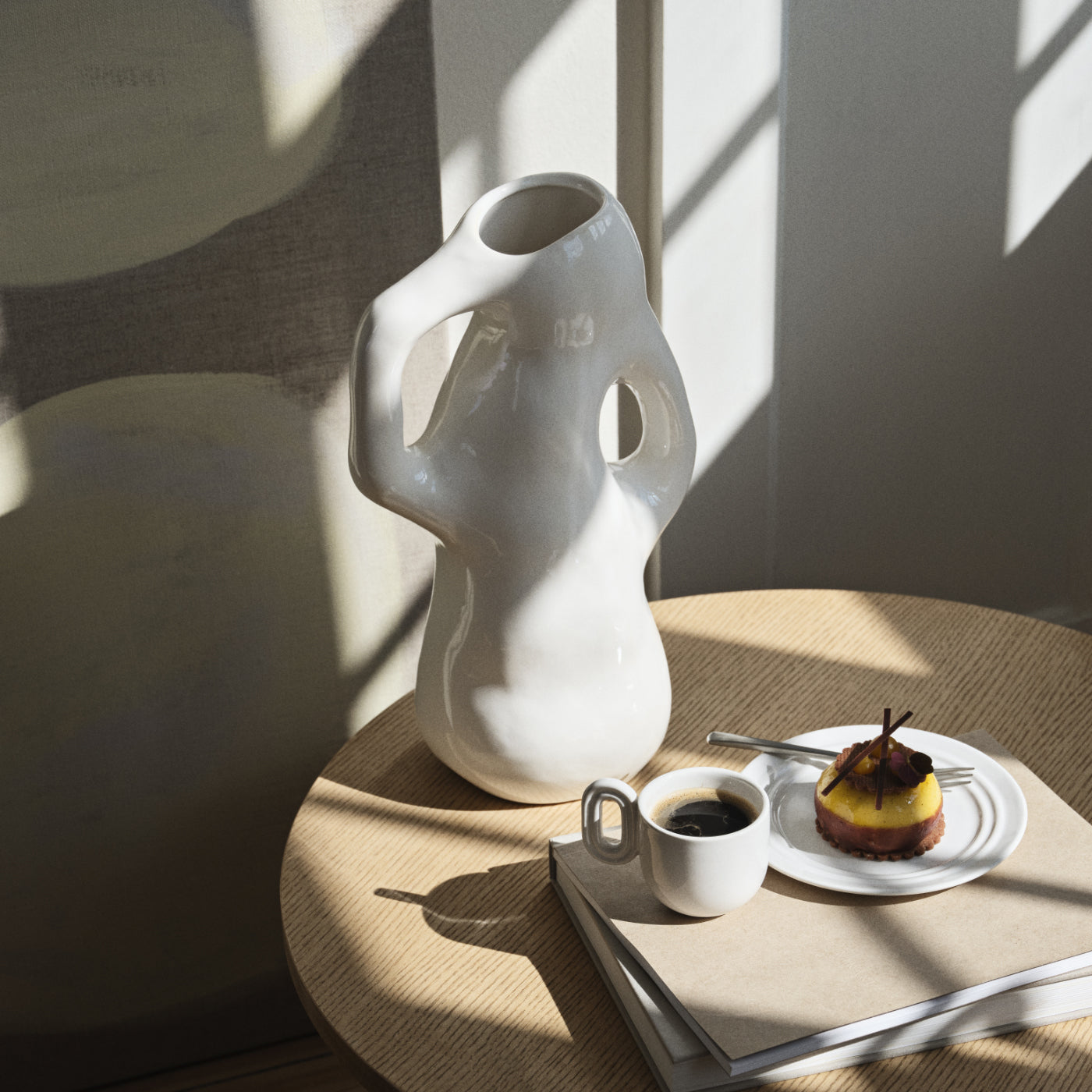
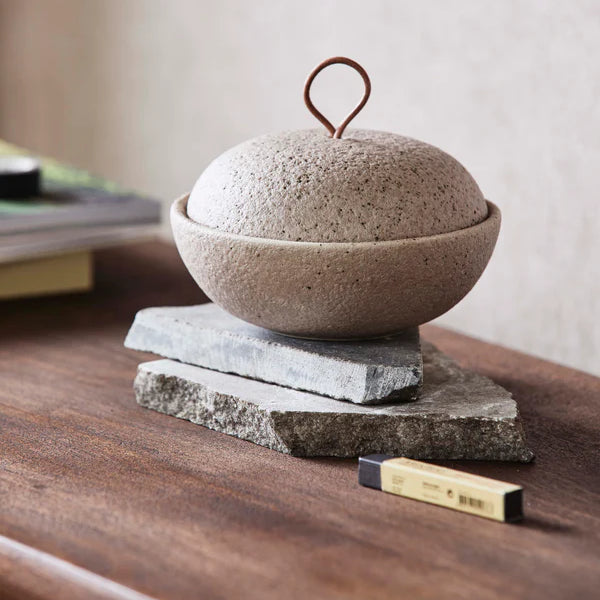
Rustic Scandinavian kitchens rely heavily on texture. Stoneware ceramics, wooden serving boards, woven textiles and matte finishes all help build depth without introducing clutter. Handmade dinnerware and slightly imperfect pieces often feel more at home here than anything too polished or uniform.


Shop our range of Scandinavian stoneware dinnerware here.

Metallic Accents
Gold, brass and bronze are often what separate rustic Scandinavian kitchens from their more traditional counterparts.
Aged metallic finishes add warmth and contrast against white walls, natural wood and darker accents, whether through cupboard handles, lighting, cookware or bar stools. The key is subtlety. A few carefully placed details usually have a greater impact than filling the room with competing finishes.

Louis Gold Adjustable Bar Stool
Rustic Scandinavian interiors work because they strike a balance between simplicity and character.
They retain the clarity and functionality that make Nordic spaces so appealing, while introducing materials and textures that feel softer, warmer and more personal. It’s still minimalism, just with a little more soul.