

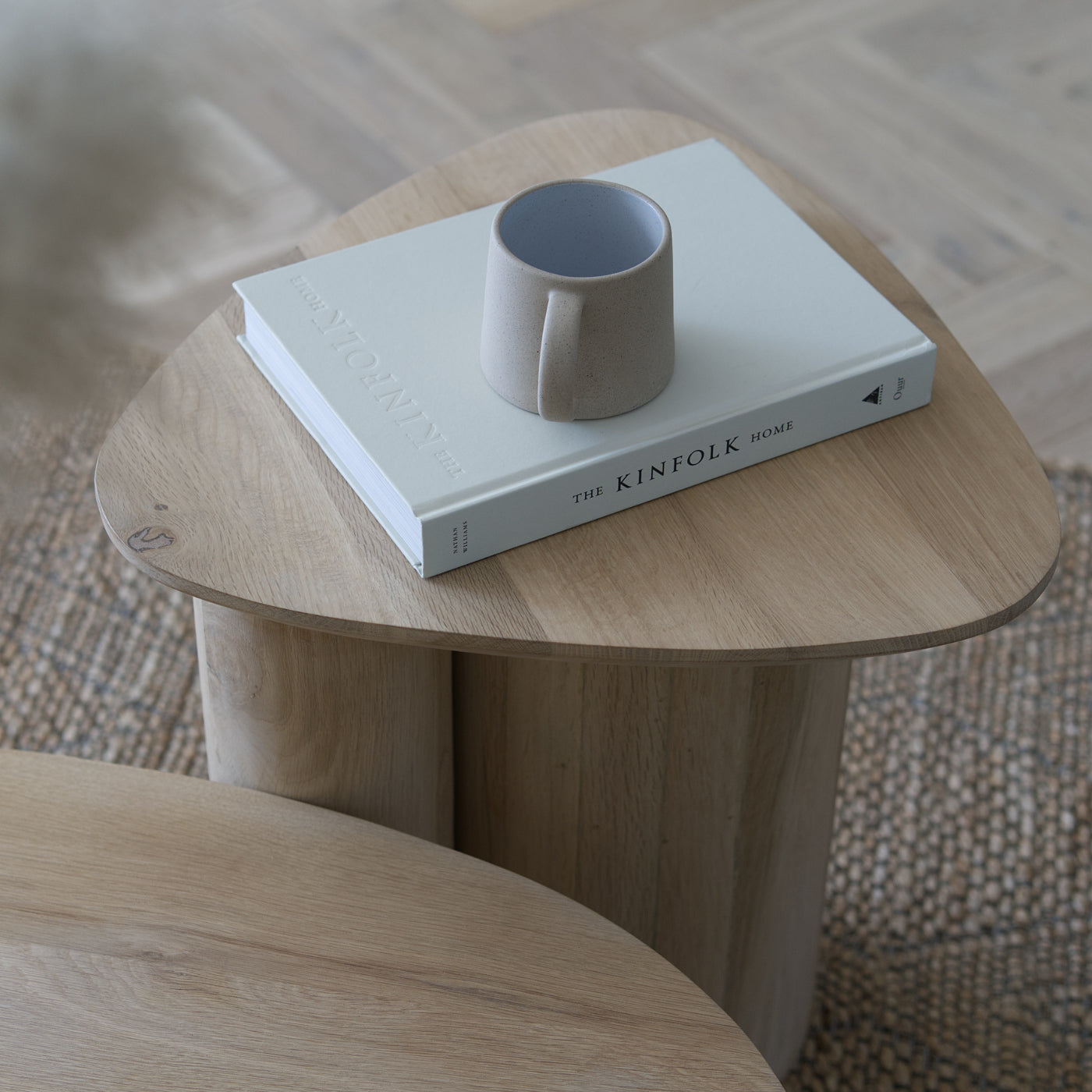
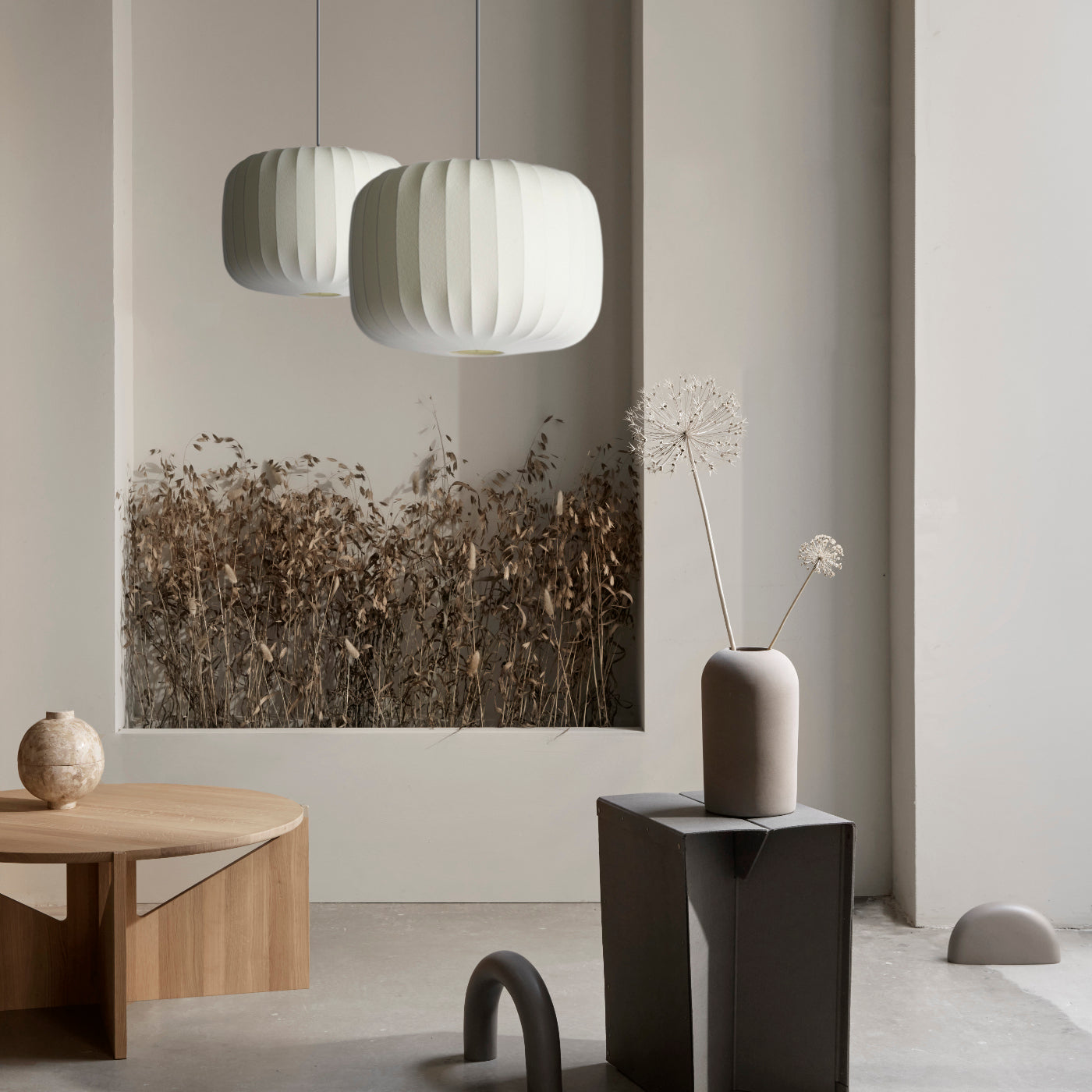
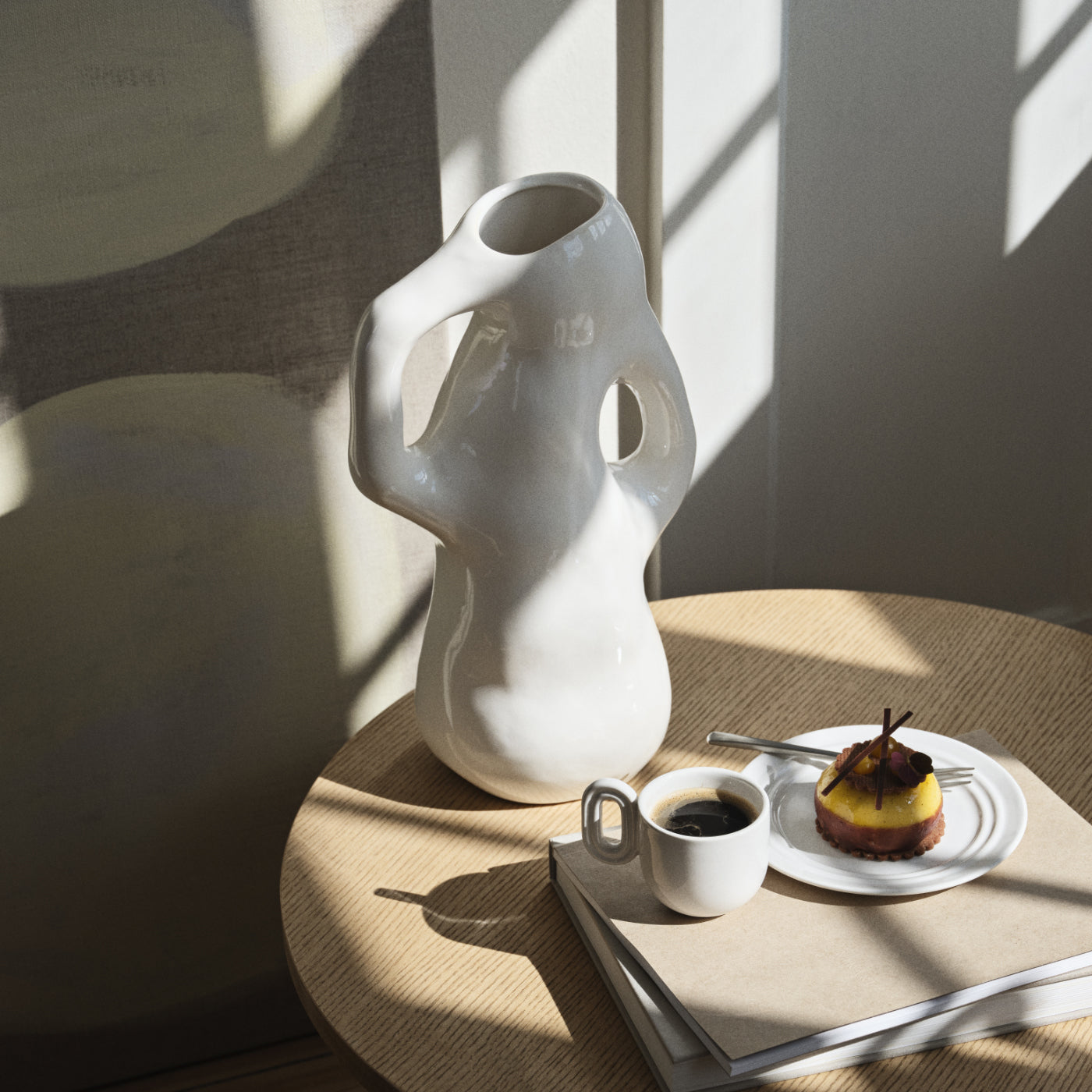
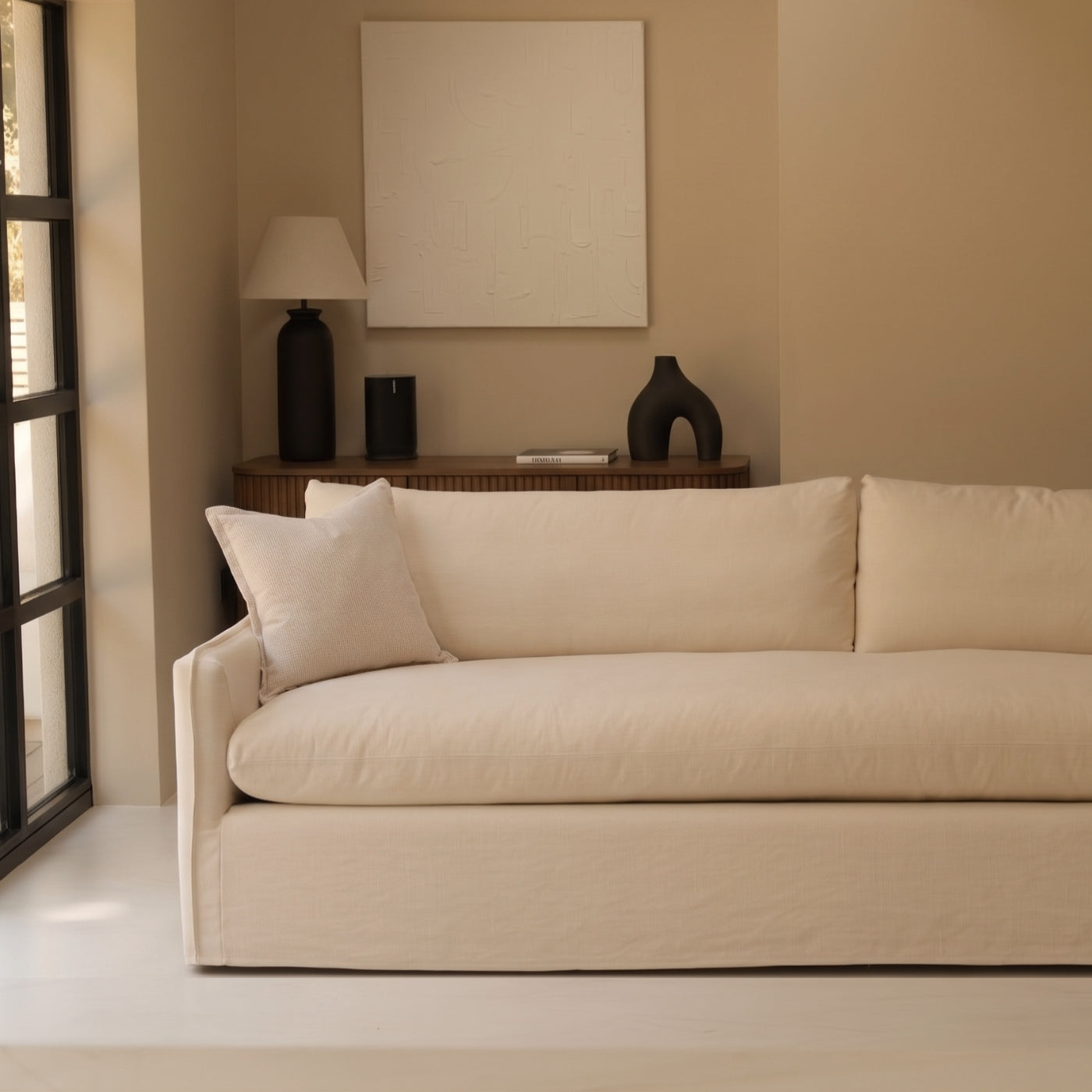
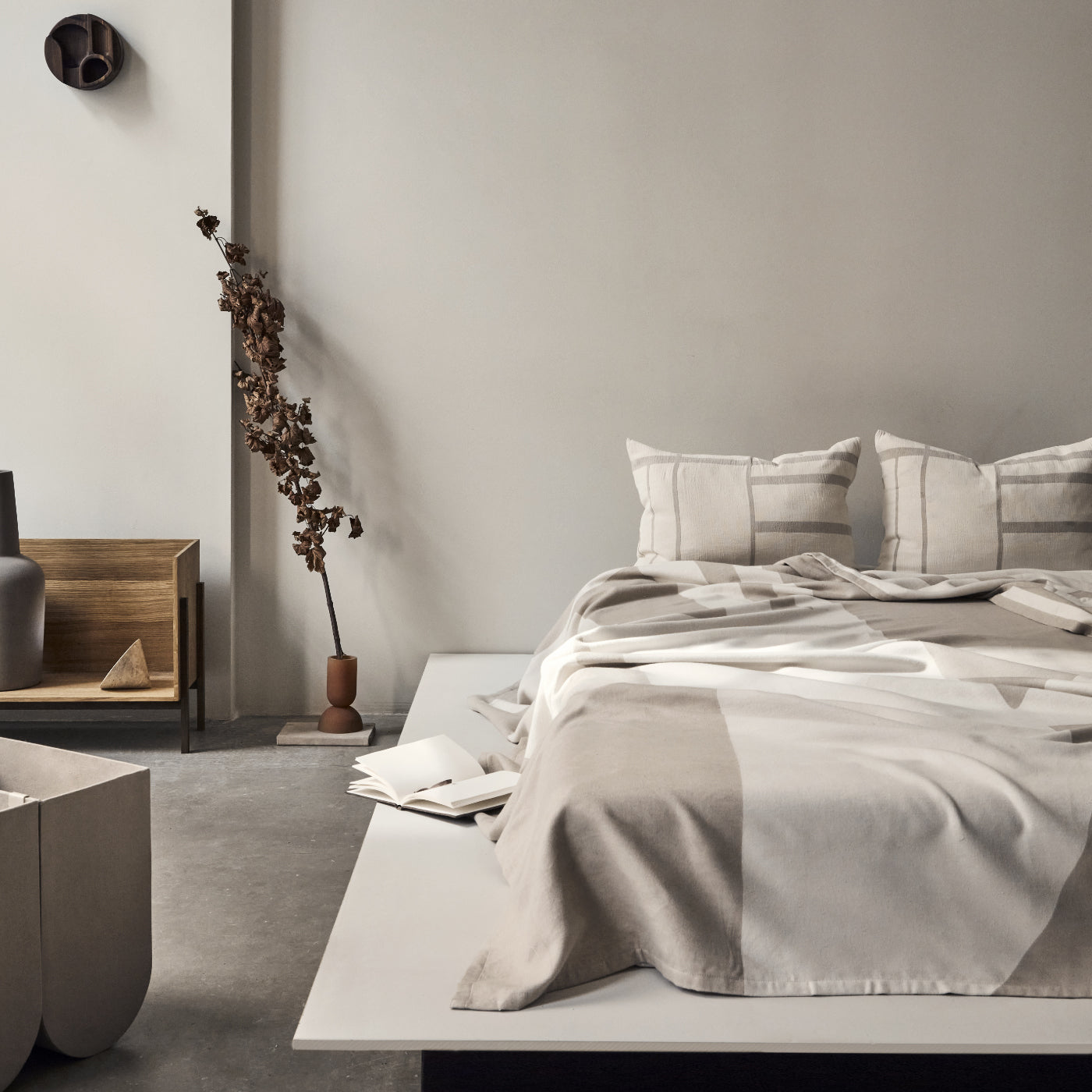
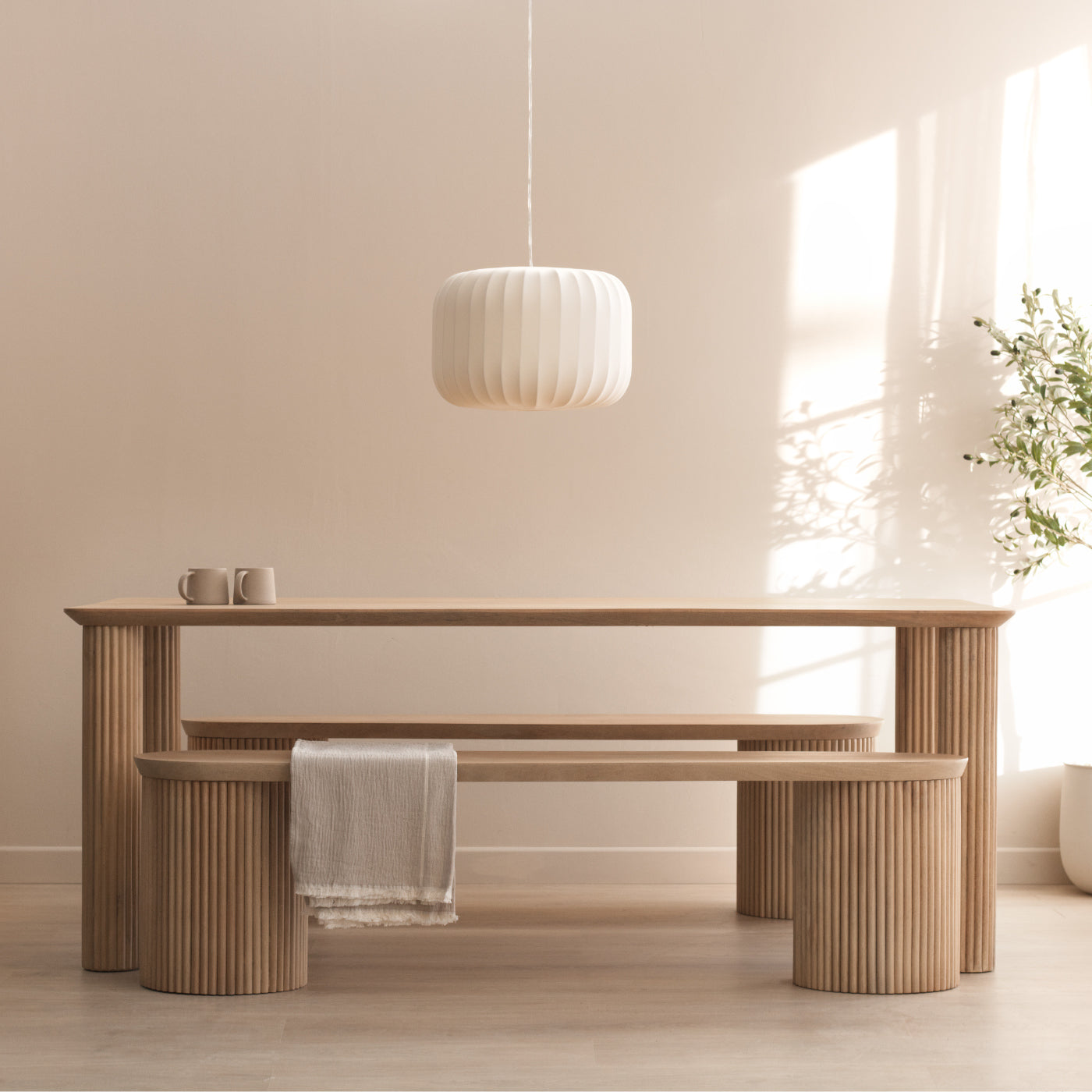
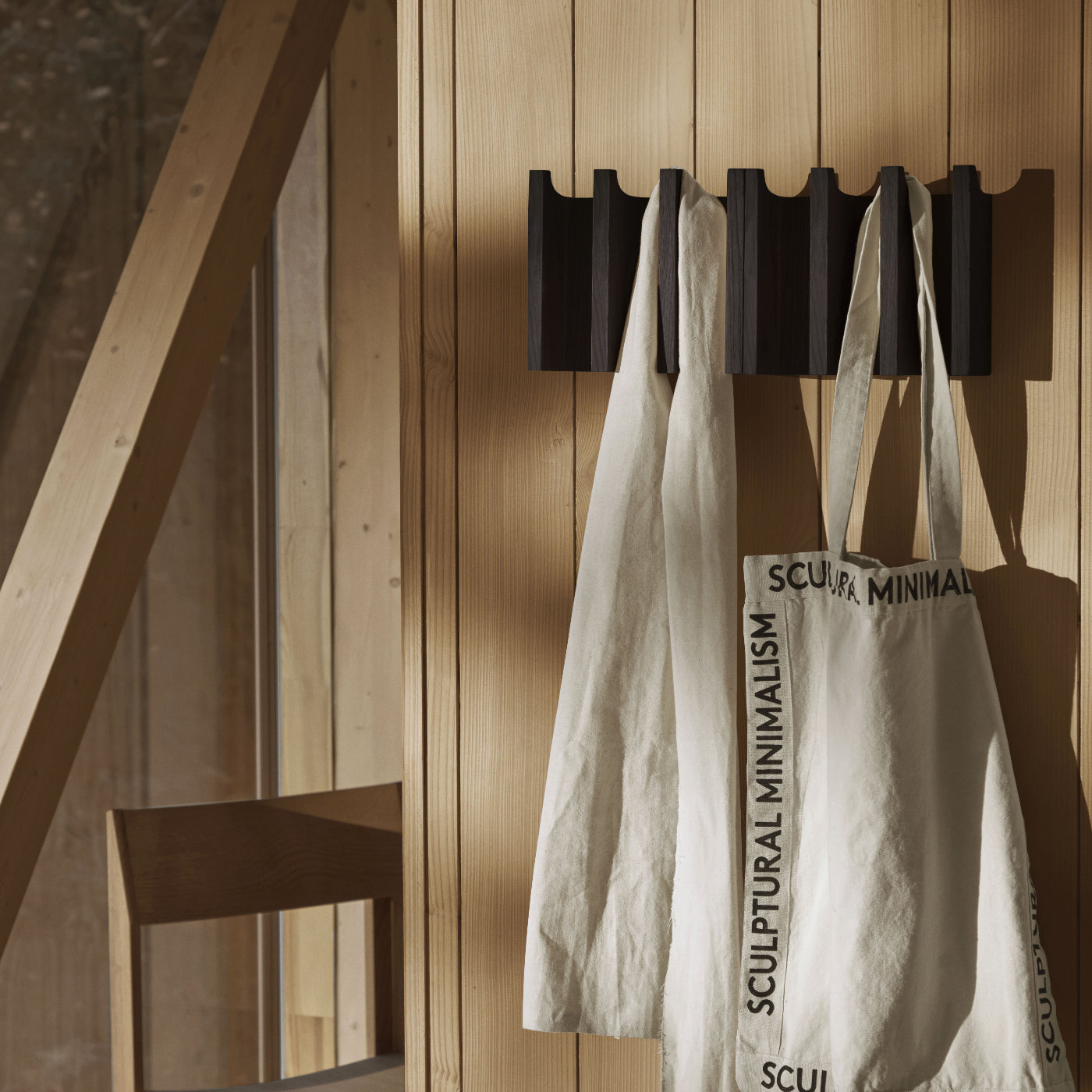
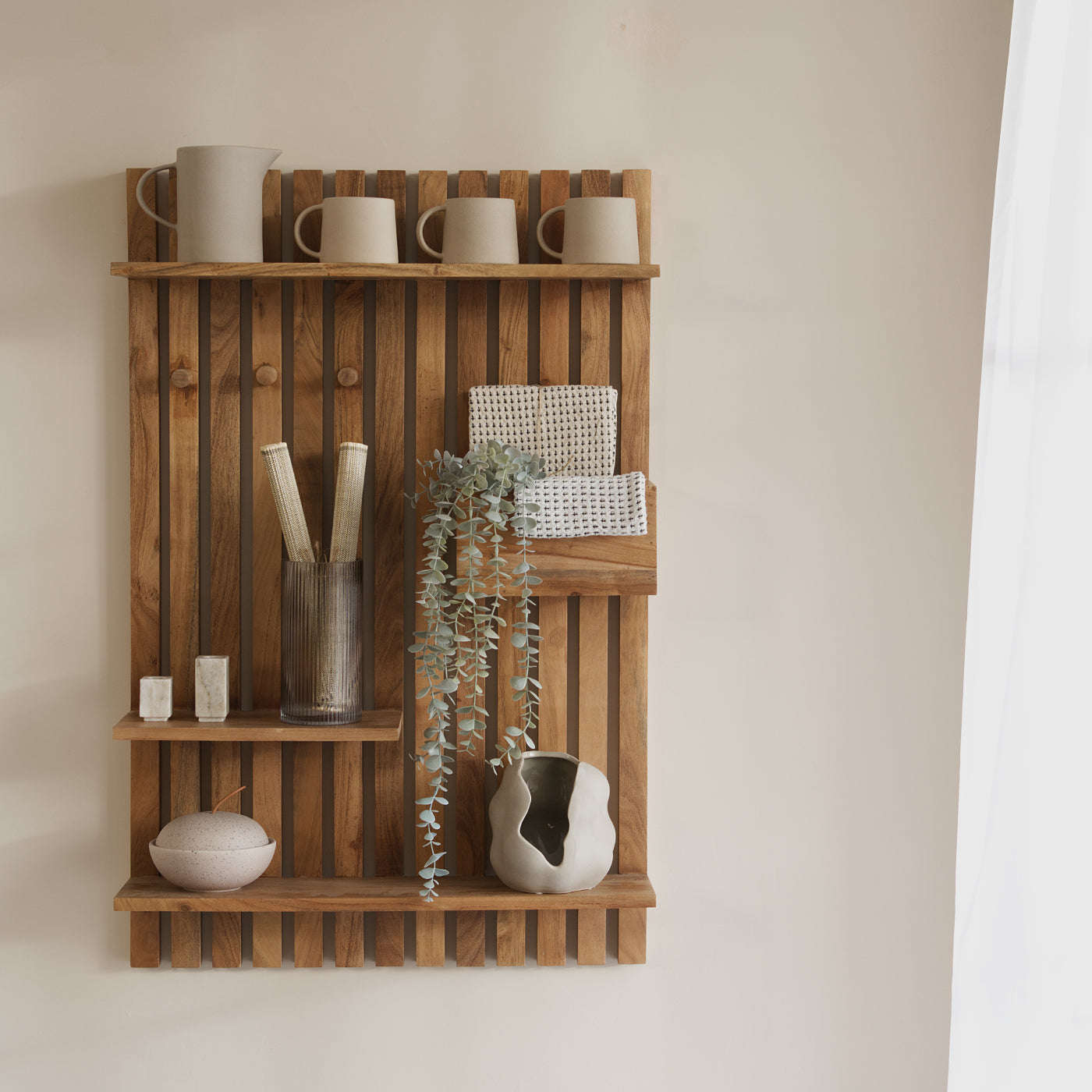
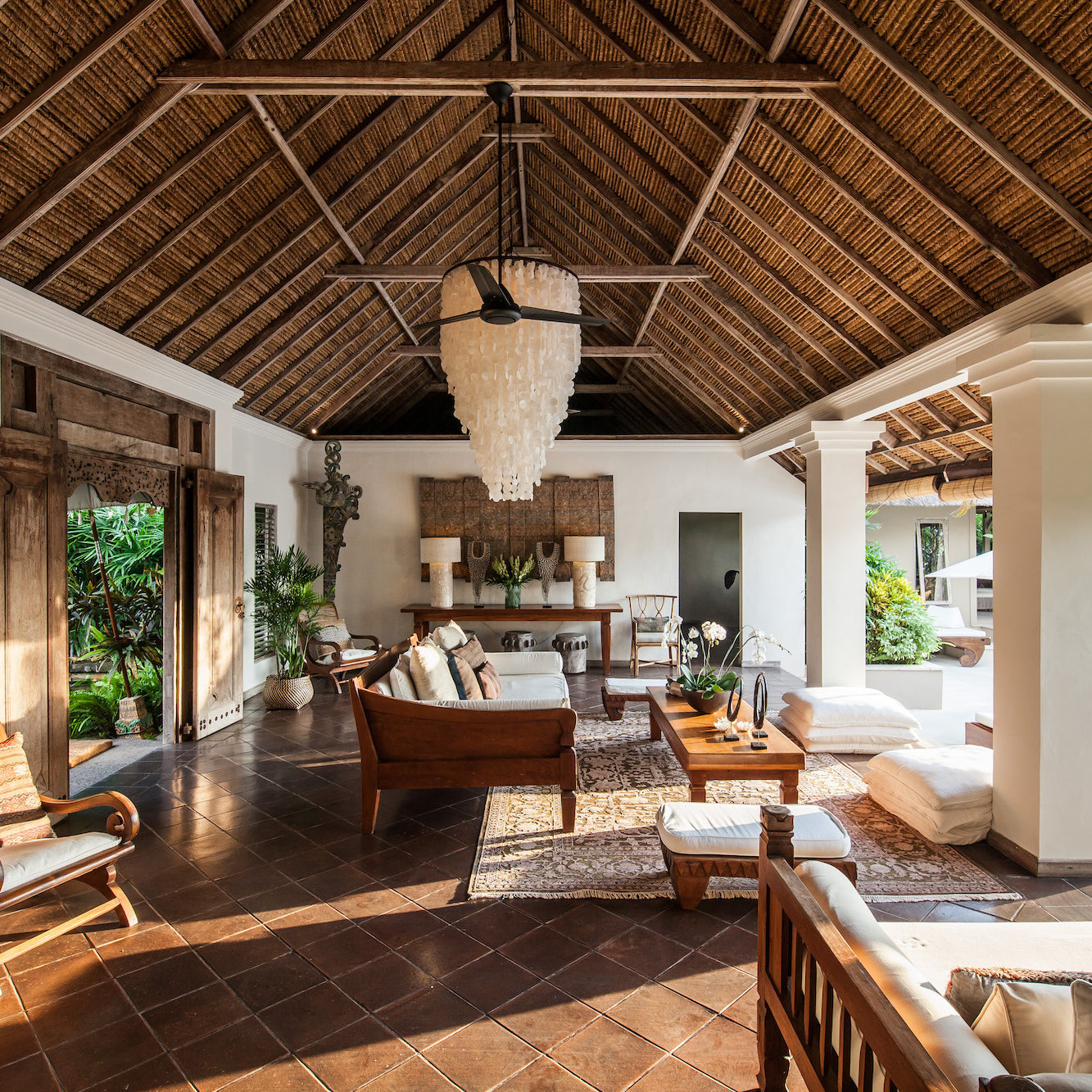

Looking around our founder’s home, the connection to Vaunt is impossible to miss. The dark woods. The handmade pieces. The mixture of old and new. The furniture our founder wanted to live with shaped the furniture we wanted to make.

Walnut, dark-stained mango, oak and acacia appear throughout the house, often alongside one another. There’s no attempt to make everything match perfectly. It’s more interesting when they don’t. That preference has naturally followed us into Vaunt’s collections.

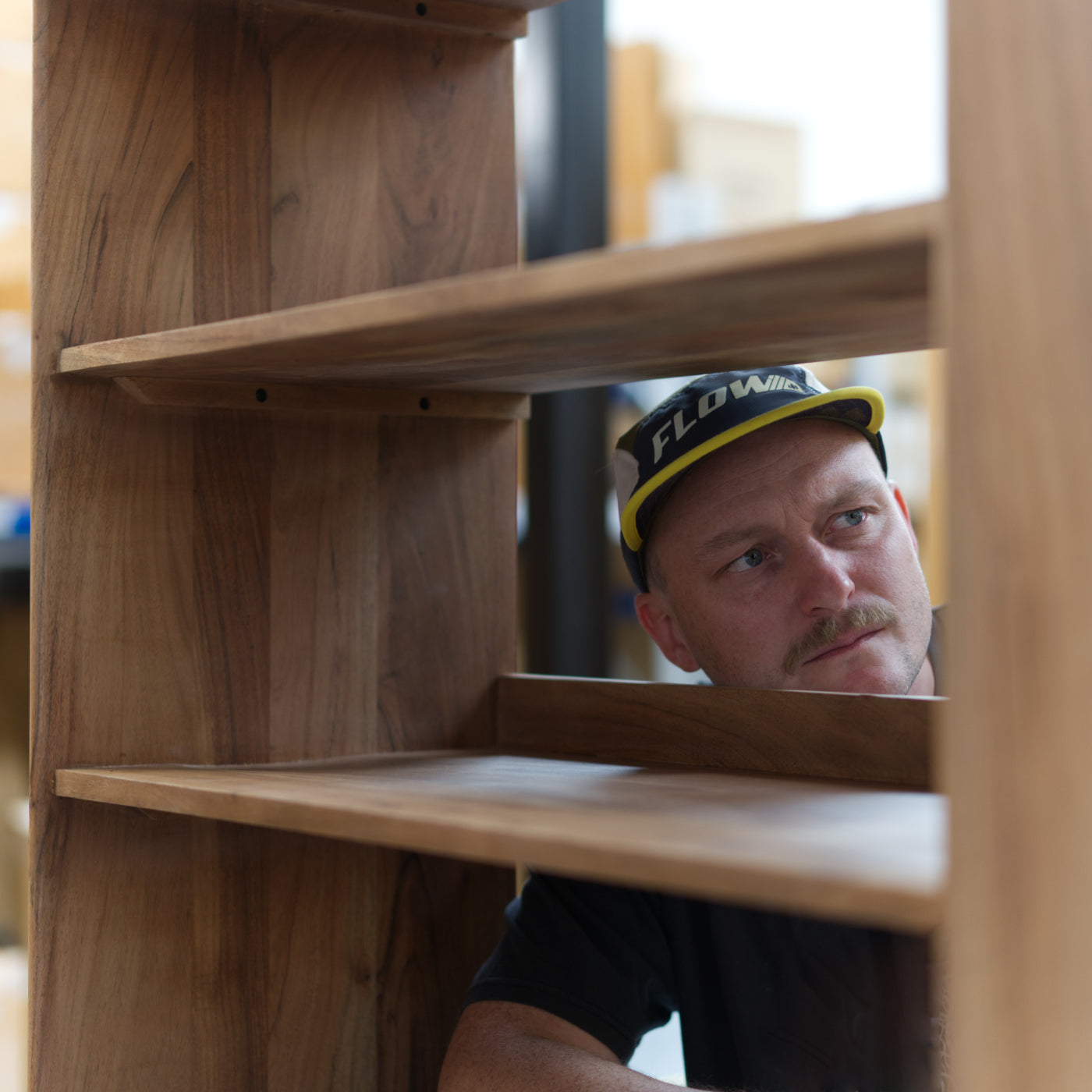
We’re drawn to furniture where the material does much of the work: chunky sections of timber, exposed frames, simple joinery and shapes that allow the grain to remain visible. The finishing matters, but it shouldn’t erase what sits beneath it.
Wood is particularly good at refusing to stay exactly as it was on day one. It changes with light and use. It picks up the odd mark. Colours deepen. Edges become familiar. We like that.


Made by people
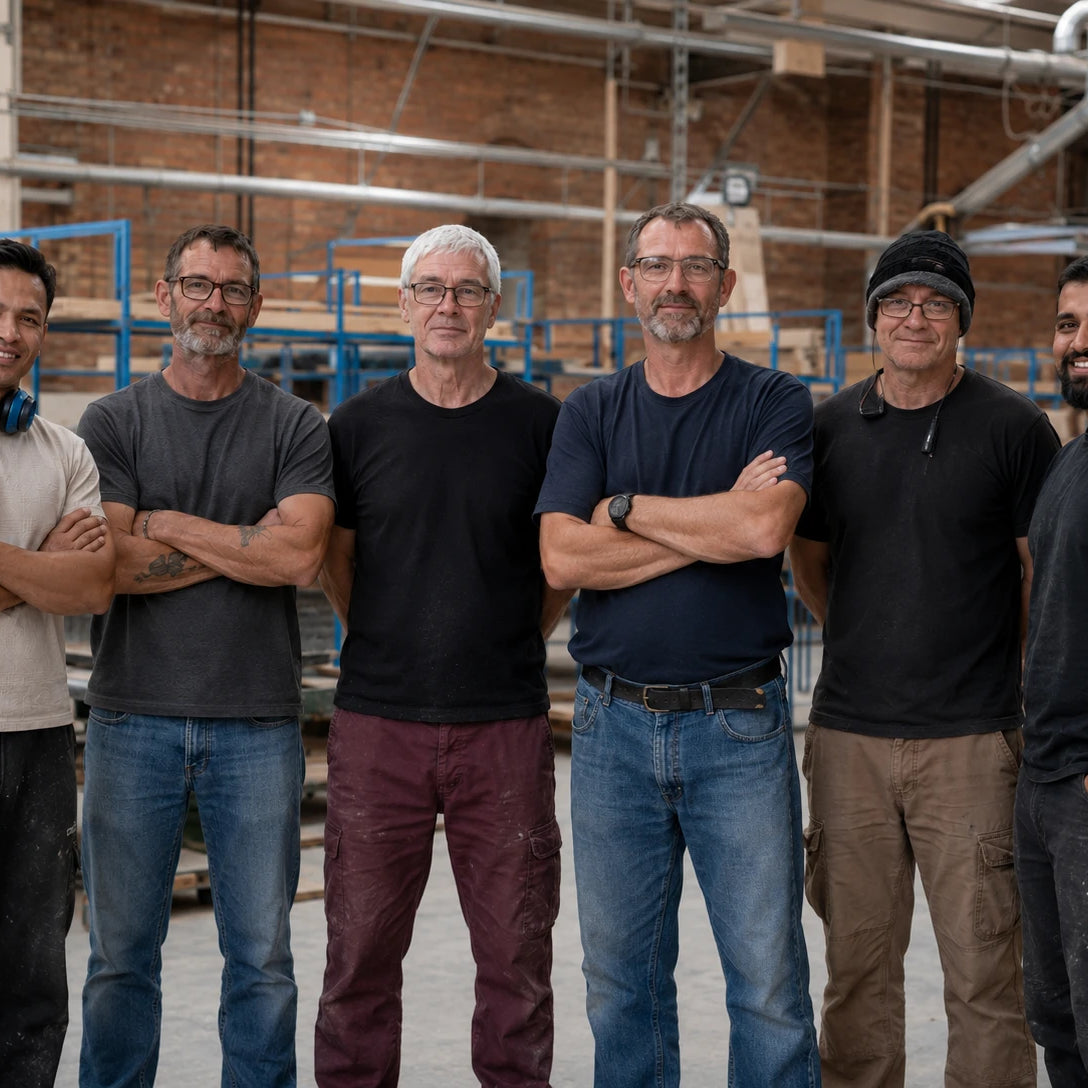
Handmade furniture appears throughout the house and that has influenced Vaunt more than anything else.
There is something about furniture made by skilled hands that can't be reproduced at scale.
It also changes the way you think about value.
The first reaction to a piece of furniture is visual. You notice its proportions, the timber, the upholstery, the way it sits within the room. But that first impression is only part of the story.
After years of working with furniture, we're more interested in what happens next.
How does it feel after years of daily use? Can the material be cared for rather than discarded? Is the construction good enough to warrant repairing if something eventually needs attention?
Furniture has a job to do long after the photographs have been taken.

Speaking of photographs...
Many of our products have been photographed here, partly because the style of the house make such an easy backdrop for the furniture we design. Though it does means something arrives temporarily for a shoot, and occasionally, never makes it back out again.
There is a reason we photograph our furniture in a real home. You see whether the proportions work outside of the controlled environment of a studio. You see how the wood reacts to natural daylight, how a piece works alongside things that weren't designed specifically to accompany it, and whether it actually looks good to live with. That matters to us.
